Focused arrival windows
Useful updates and clear arrival timing.
Bathroom Slab Leak Repair in Laguna Niguel means locating the water line under your bathroom floor, repairing it, and confirming the leak is gone. If your water meter is spinning, your floor feels warm, or you hear water running when nothing is on, we can help. We handle bathroom slab leak repair services Laguna Niguel homeowners call for same-day, with electronic detection first so we open only what needs opening.
Useful updates and clear arrival timing.
Review the approach and price before deciding.
Equipped vehicles and respectful cleanup.
Neighbors serving neighbors with follow-through.
Every bathroom slab leak repair we do includes detection, access, repair, and concrete patching as one flat price. We do not nickel-and-dime you on the parts that make the job right. Here is what is covered on a standard visit.
Acoustic microphone, listening disc, thermal imaging camera, and pressure gauge work to pinpoint the leak before we cut. This is included in every job, not billed as an add-on, because guessing costs you more concrete and more money.
We open an 18 to 24 inch access point in the slab with a concrete saw and dust control. Tile and underlayment come up carefully so we can reuse them. You see the pipe within a couple of hours of arrival.
New copper pipe and fittings sweated in for a spot repair, or Uponor PEX tubing rerouted through the attic or walls if the run is too far gone. We price both options and tell you which one holds up longer.
We pressure-test the repaired line at 100 PSI for 30 minutes and check the slab with a moisture meter before closing. If it does not hold, we do not close it. You get photos of the repair for your records.
Concrete patching compound matched to your slab, then tile reset where we opened. If a tile breaks, we match it or source a close replacement so the bathroom floor looks consistent when we finish.
Our pipe repair carries a written warranty, and we stand behind the concrete patch and tile reset too. If the same line leaks again inside the warranty window, we come back and make it right at no charge.
Share what is happening and receive a clear next step from the local team.
Bathroom Slab Leak Repair in Laguna Niguel is the process of pinpointing a failed water line beneath your bathroom's concrete slab, exposing it, and repairing or rerouting the pipe so the leak stops. Most bathroom slab leaks come from copper pipe that has corroded, a pipe joint failure under slab, or abrasion where pipe meets concrete. We start with acoustic leak detection microphone and thermal imaging camera work, mark the spot, then cut a small access point instead of tearing up the whole floor.
In Laguna Niguel, the problem shows up fast. Homes built in the 1970s and 1980s around Crown Valley and Niguel Road often have original copper under the slab, and our hard local water wears at it. You might notice a warm spot on the floor, water seeping through concrete slab, or a high water bill that makes no sense. When that happens, the smart move is bathroom slab leak detection Laguna Niguel CA before any concrete comes up.
You call (949) 593-2386 and describe what you are seeing: warm floor, spinning meter, sound of running water. We ask a few questions, give you a ballpark range, and schedule a same-day or next-morning visit. If it is an emergency, we roll a truck 24/7.
On site, we shut off fixtures and pressurize the line. Using a listening disc, acoustic microphone, and thermal imaging camera, we isolate whether it is a hot water line leak under slab or a cold water line leak under slab, then mark the exact spot on the bathroom floor. This takes 45 to 90 minutes.
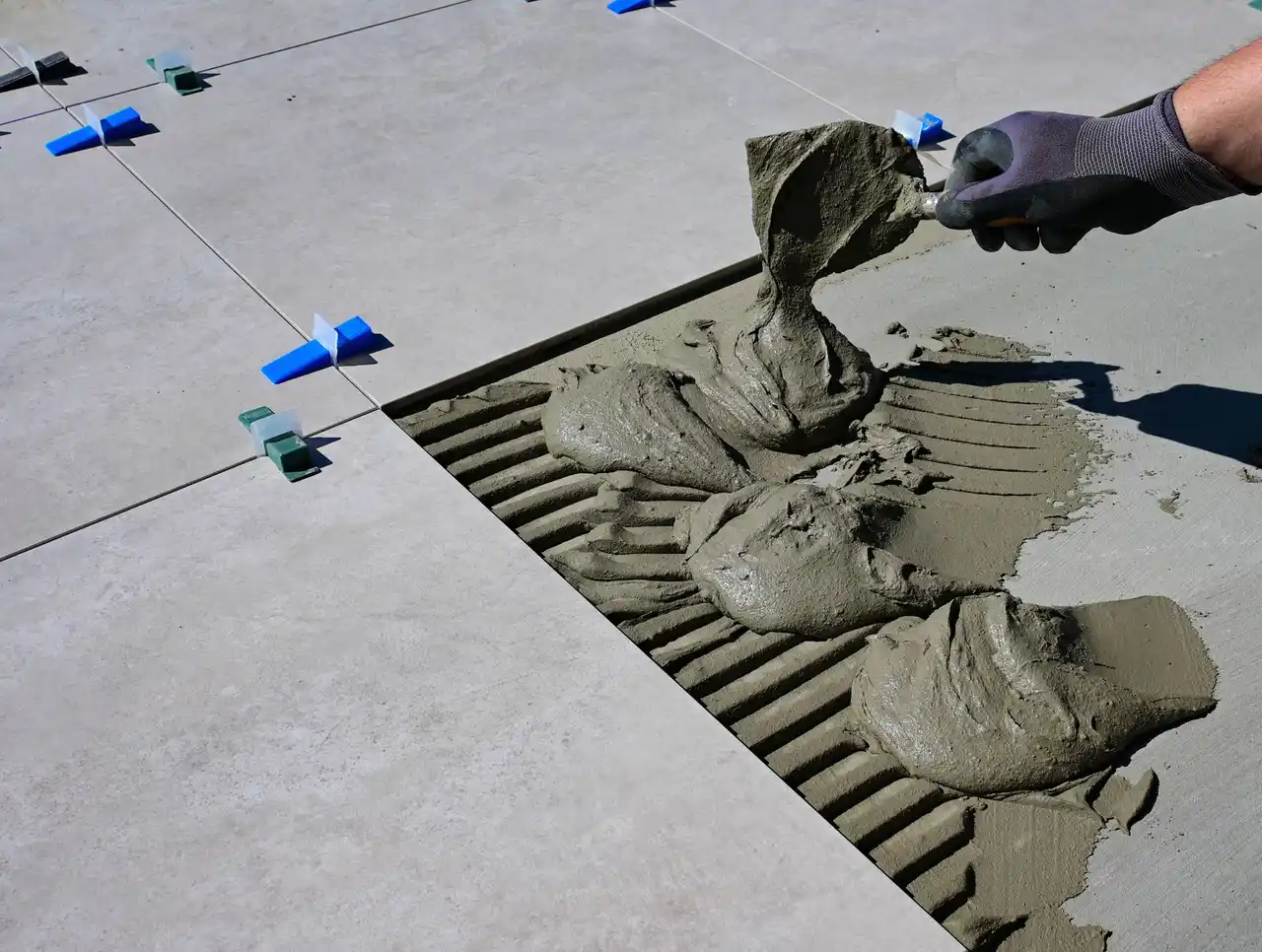
We cut a small access point in the slab, typically 18 to 24 inches square, using a concrete saw with dust control. Tile and underlayment come up cleanly so we can reuse them where possible. You will see the pipe within a couple of hours.
If the pipe is repairable, we cut out the failed section and sweat in new copper pipe and fittings. If the run is too far gone, we reroute with Uponor PEX tubing through the walls or attic. Either way, we pressure-test at 100 PSI for 30 minutes before closing anything.
We backfill with concrete patching compound, reset the tile, and run a final moisture meter check on the slab. You get a walkthrough, photos of the repair, and a written warranty. Most jobs are done in one day.
Picks up the sound of pressurized water escaping under concrete. We use it to narrow the leak location to within a few inches before we ever cut.
Shows temperature differences on the bathroom floor. A warm streak usually means a hot water line leak under slab, and the camera maps its path.
Lets us look inside the pipe itself to confirm corrosion, joint failure, or a break before we commit to a repair method.
Confirms the leak location from above the slab and traces the pipe run so we know exactly where to open and where the line goes next.
Pressure-test the repaired line at 100 PSI and check the slab for residual moisture before we close it up. No guesswork on the final test.
Cuts a clean 18 to 24 inch access point with minimal dust and vibration, protecting the surrounding tile and slab from collateral damage.
The two materials we trust for repairs and reroutes. Copper for spot fixes that match the original system, PEX for reroutes that take the line out of the slab for good.
We never cut concrete on a guess. Acoustic and thermal detection narrows the leak to a small area, which keeps the access point small and the tile bill low. This is the single biggest cost saver on a bathroom slab leak repair.
Every repair we do follows the UPC, which is the code California enforces. That means correct materials, correct fittings, correct pressure testing, and a repair that passes inspection if you ever sell the home.
After the repair, we pressurize the line at 100 PSI for 30 minutes. If it holds, we close. If it drops, we find the problem before you ever see it. This is the step that separates a real repair from a patch.
When a copper run has failed more than once, we recommend rerouting with PEX instead of chasing pinholes. It costs more upfront but ends the cycle of opening the slab every couple of years.
We backfill with concrete patching compound matched to your slab and reset the tile we lifted. The goal is a bathroom that looks like nothing happened, with a repair underneath that will outlast the original pipe.
We run electronic detection, confirm a hot water line leak under slab, and open a 20 inch access point. The failed section is cut out and replaced with new copper pipe and fittings, then pressure-tested at 100 PSI. Bathroom back in service the same day, water bill back to normal the next cycle, and the original tile reset so the floor looks untouched.
Thermal imaging and a moisture meter confirm the leak is mid-slab and the copper run is too far gone for a reliable spot fix. We reroute the line through the attic with Uponor PEX tubing and abandon the old pipe in place. No future slab access needed for that run, no tile torn up, and the foundation stays dry. Two-day job, written warranty on the reroute.
We schedule a same-day visit, isolate the hot side, and repair a pinhole leak in the copper with a small access cut. We coordinate directly with the tenant so the manager does not have to be on site. Repair done in under six hours, tenant back to normal, and a photo report sent to the manager for the file.
We run a full slab leak inspection with pressure testing and video pipe inspection camera work, find a cold water line leak under slab, and repair the failed joint with new fittings and pipe sealant. Meter stops spinning, water bill drops back to baseline, and the slab is patched and moisture-checked before we leave.
Laguna Niguel sits on a mix of hillside and valley lots with soil that shifts with our dry summers and wet winters. That movement stresses under-slab copper, and the hard water we get from local supplies accelerates corrosion from the inside. Most of the homes we work on were built between 1970 and 1990, which puts their original copper pipe right at or past its expected lifespan. Hot water lines fail first, which is why a warm spot on the bathroom floor is the most common call we get. We also see a lot of slab leaks in homes near Crown Valley Parkway and Niguel Road where the original tracts share similar pipe layouts. If you are searching for how to fix a bathroom slab leak in Laguna Niguel, the answer starts with detection, not demolition. We run electronic detection, isolate the line, and open the smallest access point that gets the job done. Orange County requires permits for some slab work, and we handle that paperwork so your repair is code-correct and documented.
Dense 1970s and 1980s tracts with original copper under the slab. Hot water line leaks are the most common call here, usually showing up as a warm bathroom floor.
Mix of hillside and valley homes. Soil movement stresses under-slab pipe, and we see more joint failures than pinholes in this area.
Planned community with consistent pipe layouts across tracts. Once we know one home's layout, we can plan the next repair on the same street faster.
Larger homes with longer under-slab runs. Reroutes through the attic are often the better long-term fix here because the slab footprint is big.
Newer construction with PEX in many homes, but we still see slab leaks from fittings and abrasion where pipe meets concrete at the slab edge.
Hard water deposits eat at copper from the inside, thinning the pipe wall until it pinholes. This is why Laguna Niguel copper fails faster than in softer-water cities, and why hot lines go first.
Soil that swells and shrinks stresses under-slab pipe at joints and fittings. We see more joint failures here than in cities with stable soil, and we plan repairs to allow for that movement.
Most Laguna Niguel tracts are now past the 40 to 50 year copper lifespan. When one section fails, we inspect the rest of the run and tell you honestly whether a spot repair or a reroute makes more sense.
Some slab repairs need a permit and inspection. We pull the paperwork and schedule the inspection so your repair is documented and code-correct when you sell the home.
A 1979 home off Crown Valley had a warm spot on the master bath floor and a water bill that jumped $180 in one cycle. The water meter spun with every fixture off. The homeowner had been told by another company that the whole bathroom floor needed to come up.
We ran thermal imaging and acoustic detection, marked the leak within a foot, and opened a 20 inch access point. Two feet of failed copper was replaced with new pipe and fittings, pressure-tested at 100 PSI, and the slab was patched and tile reset. Total job: five hours.
Maintenance: We recommended a yearly water meter check and a pressure gauge test on the rest of the copper run. Catching the next pinhole early keeps the repair small and the tile intact.
A townhome near Niguel Road had water seeping through the bathroom slab and a second leak in the same copper run within two years. The homeowner was tired of opening the floor and worried about the foundation. The slab was already showing a hairline crack near the leak.
We rerouted the hot and cold lines through the attic with Uponor PEX tubing and abandoned the old copper in place. No slab access needed for that run going forward. Two-day job, tile untouched, and the foundation stayed dry. The hairline crack was monitored and did not grow.
Maintenance: We tagged the new PEX lines at the manifold and left a diagram for the homeowner. If a future repair is needed, it happens in the attic, not the slab.
A Marina Hills homeowner called at 11 p.m. with water coming up through the bathroom tile and no way to stop it. The main shutoff was stuck. Water was spreading toward the hallway and the adjacent bedroom carpet.
We had a tech on site within the hour, freed the stuck shutoff, isolated the hot side, and stopped the water that night. The next morning we returned, ran detection, opened a small access point, and repaired a failed joint with new copper. Pressure-tested at 100 PSI and patched the same day.
Maintenance: We replaced the stuck main shutoff and showed the homeowner how to exercise it twice a year. A working shutoff is the single most important thing you can have when a slab leak starts.
Most bathroom slab leaks announce themselves with one of these four signs. If any of them sound familiar, call us before the damage spreads.
A pinhole leak under a bathroom slab can waste 10,000 gallons a month or more. Your Orange County water bill climbs fast, and the water is quietly undermining the soil under your foundation. We shut off fixtures, pressurize the line, and use an acoustic leak detection microphone to isolate whether it is the hot or cold side. Once we mark the leak, we open a small access point and repair or reroute the pipe the same day.
A warm spot almost always means a hot water line leak under slab. The heat is escaping through the concrete, and the copper around the leak is thinning every day it runs. We confirm with a thermal imaging camera and an infrared thermometer, then repair the failed section with new copper. If the run is too far gone, we reroute with PEX through the attic so the slab stays closed.
Visible moisture or a damp patch on the bathroom floor means the leak has already saturated the slab. Left alone, it can lead to a foundation crack from leak movement and mold in the framing above. We map the moisture with a moisture meter, find the source, and repair the pipe. We also check the surrounding slab for secondary damage and document everything with photos before and after.
That hiss or trickle is water escaping under pressure. It usually means a pipe joint failure under slab or a pinhole in the copper, and it will only get louder as the opening grows. We use a listening disc and pipe locator to trace the sound to its source, then open the smallest possible area. Most of these turn out to be repairable spot fixes rather than full reroutes.
We are a state-licensed plumbing contractor (C-36) working Orange County slabs every week. Our techs train on RIDGID SeeSnake cameras, Fluke thermal imagers, and LeakTronics acoustic gear, and we follow IAPMO Uniform Plumbing Code (UPC) on every repair. We have opened hundreds of bathroom slabs in Laguna Niguel, Laguna Hills, and Aliso Viejo, and we know the pipe layouts in the 1970s and 1980s tracts around Crown Valley and Moulton. That local pattern recognition is why we usually find the leak on the first visit.
Most bathroom slab leak repairs in Laguna Niguel run $1,200 to $4,500 in 2026, depending on access, pipe material, and whether we repair or reroute. Detection alone is $250 to $450. A simple spot repair on an accessible copper line sits at the low end; a reroute with tile reset pushes toward the top. We give you a flat price before we cut.
Sometimes yes. If the line can be rerouted through the attic or walls with PEX tubing, we never touch the slab. That works best when the bathroom sits near an exterior wall or a chase. If the leak is mid-slab and the pipe is otherwise sound, we open a small 18 to 24 inch access point instead of tearing out the whole floor.
Three things dominate: under-slab pipe corrosion in older copper, pipe joint failure under slab, and abrasion where pipe rubs against concrete or gravel. Laguna Niguel's hard water accelerates copper wear, and homes built in the 1970s and 1980s are now past the typical 40 to 50 year copper lifespan. Hot water lines fail first because heat speeds corrosion.
A straightforward spot repair takes four to six hours from arrival to final test. A reroute with tile reset runs one to two days. Detection itself is 45 to 90 minutes. We schedule most jobs as a single-day visit and tell you upfront if yours needs a second day for concrete cure or tile work.
Not seeing your question? Our local team can help you understand urgency, scheduling and what to expect.
Ask the local team
The parent service for any water line leaking under concrete. If your bathroom slab leak turns out to be part of a larger pattern, we scope the whole slab and fix every active leak in one visit for Laguna Niguel homeowners.
View service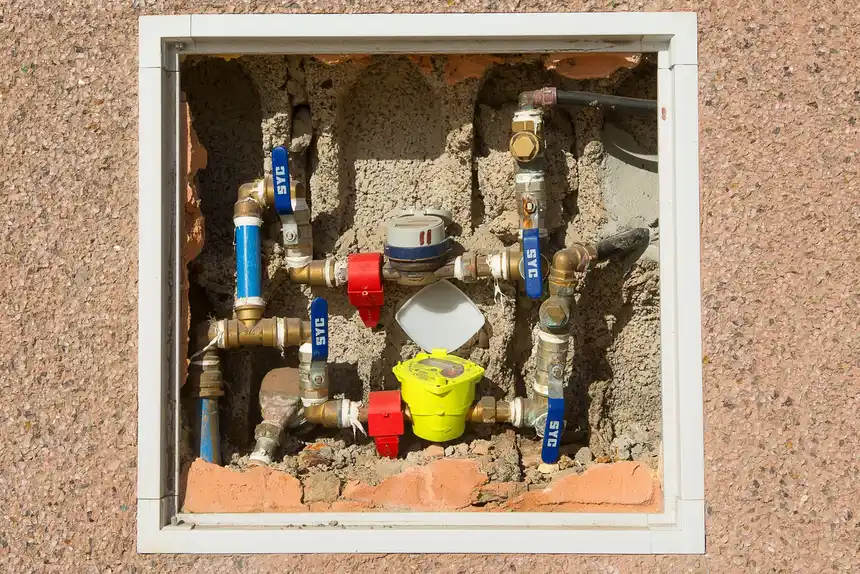
Non-invasive electronic detection using acoustic microphones and thermal imaging. We run detection before any bathroom slab leak repair in Laguna Niguel so we open the smallest possible area and avoid cutting good concrete.
View service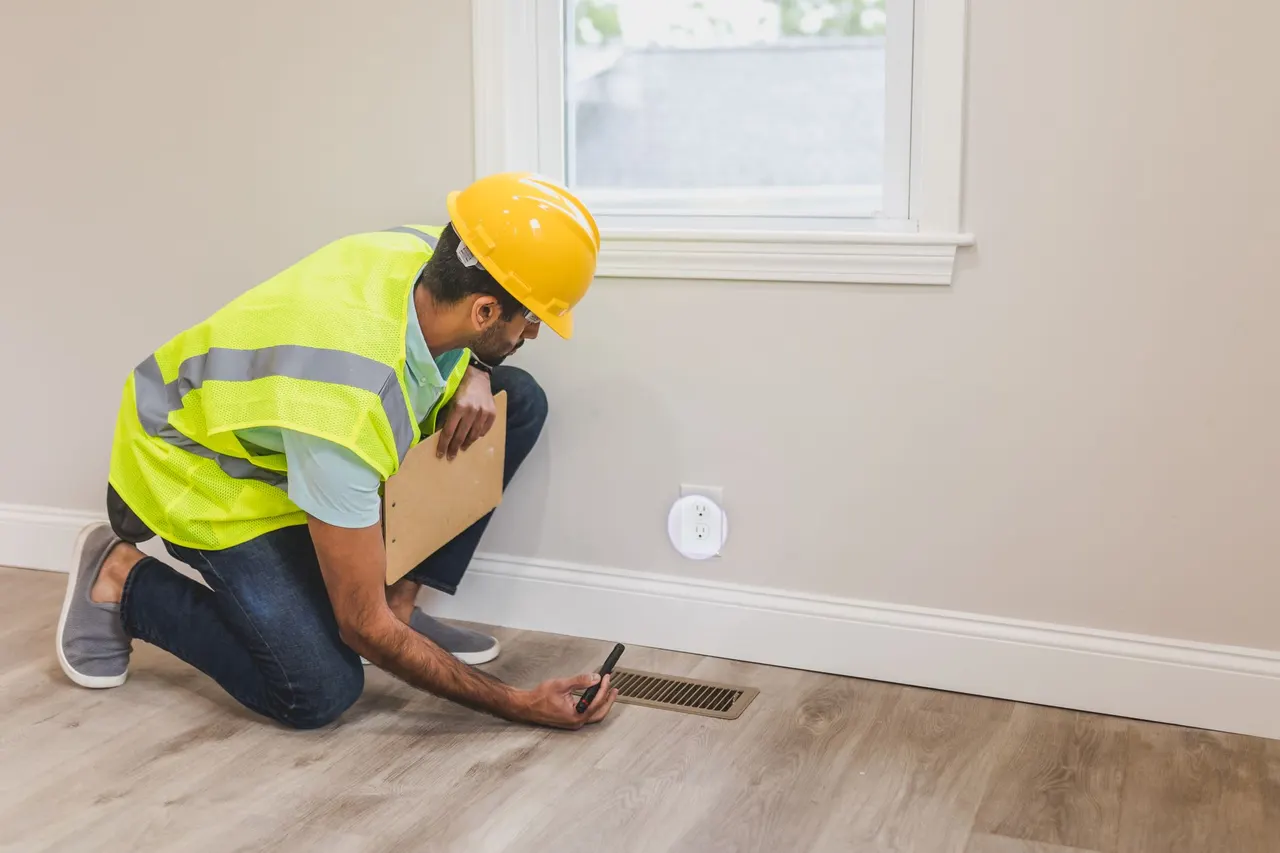
Active flooding, a meter that will not stop, or water coming up through tile at 2 a.m. We run 24/7 emergency calls across Laguna Niguel and can isolate the line and stop the water the same night.
View service
Direct repair of the failed pipe section under your slab. We cut a small access point, replace the bad copper or CPVC pipe, pressure-test at 100 PSI, and patch the concrete back to grade.
View service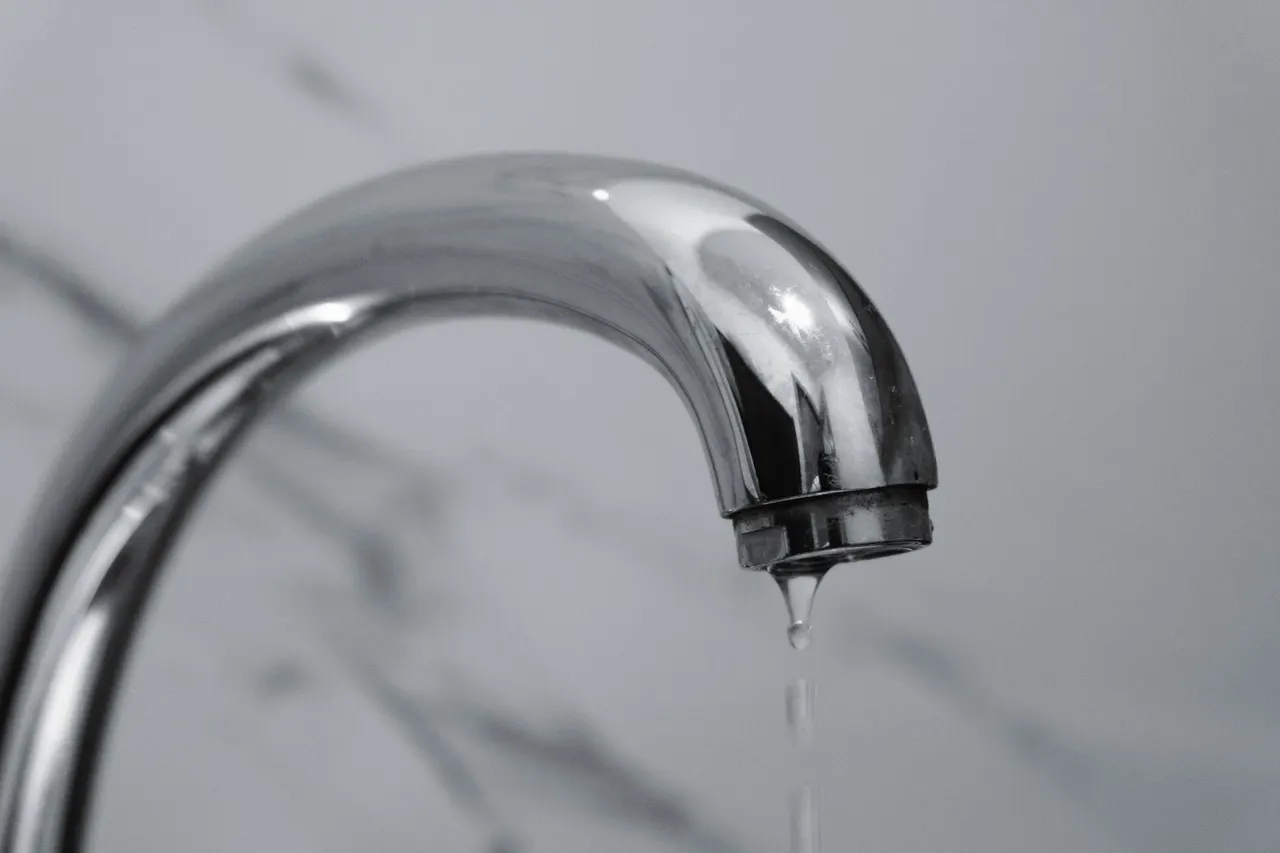
Reach us at (949) 593-2386 any time, day or night. We answer live, ask the right questions about your water bill and floor symptoms, and dispatch a technician with detection gear. Most calls in Laguna Niguel and the 92677 area get a tech on site the same day.