Focused arrival windows
Useful updates and clear arrival timing.

Concrete Slab Leak Repair in Laguna Niguel is what we do every day. If your water bill jumped, a warm spot spread across the floor, or you hear water running with everything shut off, we pinpoint the break with acoustic and thermal gear, then fix the line and pour the slab back clean. One call to (949) 593-2386 and we roll a truck to your address in 92677 or anywhere in Orange County.
Useful updates and clear arrival timing.
Review the approach and price before deciding.
Equipped vehicles and respectful cleanup.
Neighbors serving neighbors with follow-through.
Every job is quoted as a package so you know what you are paying for. Detection, repair, pressure testing, and the concrete patch are all in the price. If the repair turns into a reroute, we tell you before we proceed and re-quote on the spot.
Acoustic microphone sweep and thermal imaging across the affected slab area, plus a water meter check with all fixtures off. This is what tells us exactly where to cut. Typical detection runs 45 to 90 minutes.
We mark the cut, score the concrete with a saw, and remove the fill to expose the failed pipe. Access points are kept as small as the repair allows, usually 12 to 24 inches square, so flooring repair stays minimal.
New copper or PEX tubing, new fittings, and solder or press connections to code. If the surrounding pipe is too far gone, we reroute the line overhead and abandon the old run in place. You get the call on which approach makes sense.
We pressurize the repaired line to working pressure and hold it while watching a pressure gauge. We also confirm the water meter stops spinning with all fixtures off. No patch goes down over a line we have not proven.
Backfill, concrete patching compound, and a finished surface ready for flooring. We haul out debris, wipe down the work area, and leave the room ready for your flooring contractor. Most jobs are cleaned up the same day.
Share what is happening and receive a clear next step from the local team.
Concrete Slab Leak Repair in Laguna Niguel is the process of locating a failed water line beneath your foundation, opening the slab only where needed, repairing or rerouting the pipe, and restoring the concrete. The lines under most Laguna Niguel homes are copper or older galvanized steel, and after decades of contact with soil and slab aggregate they pit, corrode at the joints, and start weeping water into the fill sand. We use an acoustic leak detection microphone and a thermal imaging camera to hear and see the leak before we ever touch a saw.
Most of the calls we get start the same way: a water bill that doubled, a hot spot on the kitchen tile, or the water meter spinning with every fixture off. If you have been searching for a concrete slab leak fix Laguna Niguel CA homeowners can count on, the fix is rarely as bad as the fear of it. We open a small access point, repair the line, pressure-test it, and patch the slab with concrete patching compound matched to your floor.
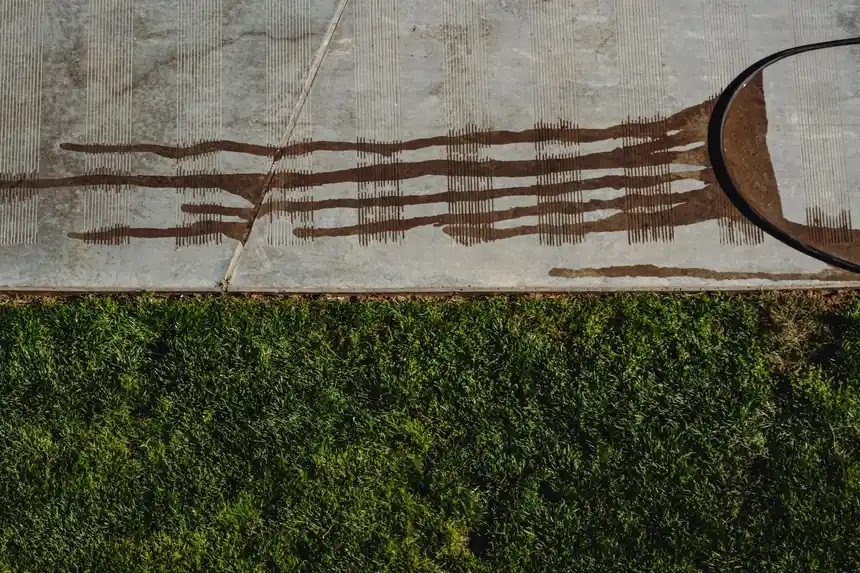
We ask three questions: is the meter spinning with everything off, is the floor warm or wet, and where is it worst. That tells us whether you have a hot water line leak under slab or a cold line break. You get a window, and we text you when the tech is en route.
On site, we pressurize the system and sweep the slab with an acoustic leak detection microphone and a thermal imaging camera. On copper and PEX tubing, this pins the leak to within a few inches. Typical detection takes 45 to 90 minutes depending on slab size and flooring.
We cut a small access point with a concrete saw, remove the fill, and expose the failed section. If the pipe is sound beyond the break, we cut out and replace the damaged run with new copper or PEX and solder or press the fittings. If the line is corroded end to end, we reroute it overhead instead.
Before anything gets covered, we pressure-test the repaired line at working pressure and watch a pressure gauge for a full hold cycle. If it drops, we keep working. No slab gets patched over a line we have not proven.
We backfill, pour concrete patching compound, and finish the surface so it is ready for flooring. We haul out debris, wipe down the work area, and walk you through what we did. Most repairs are done in one day, start to finish.
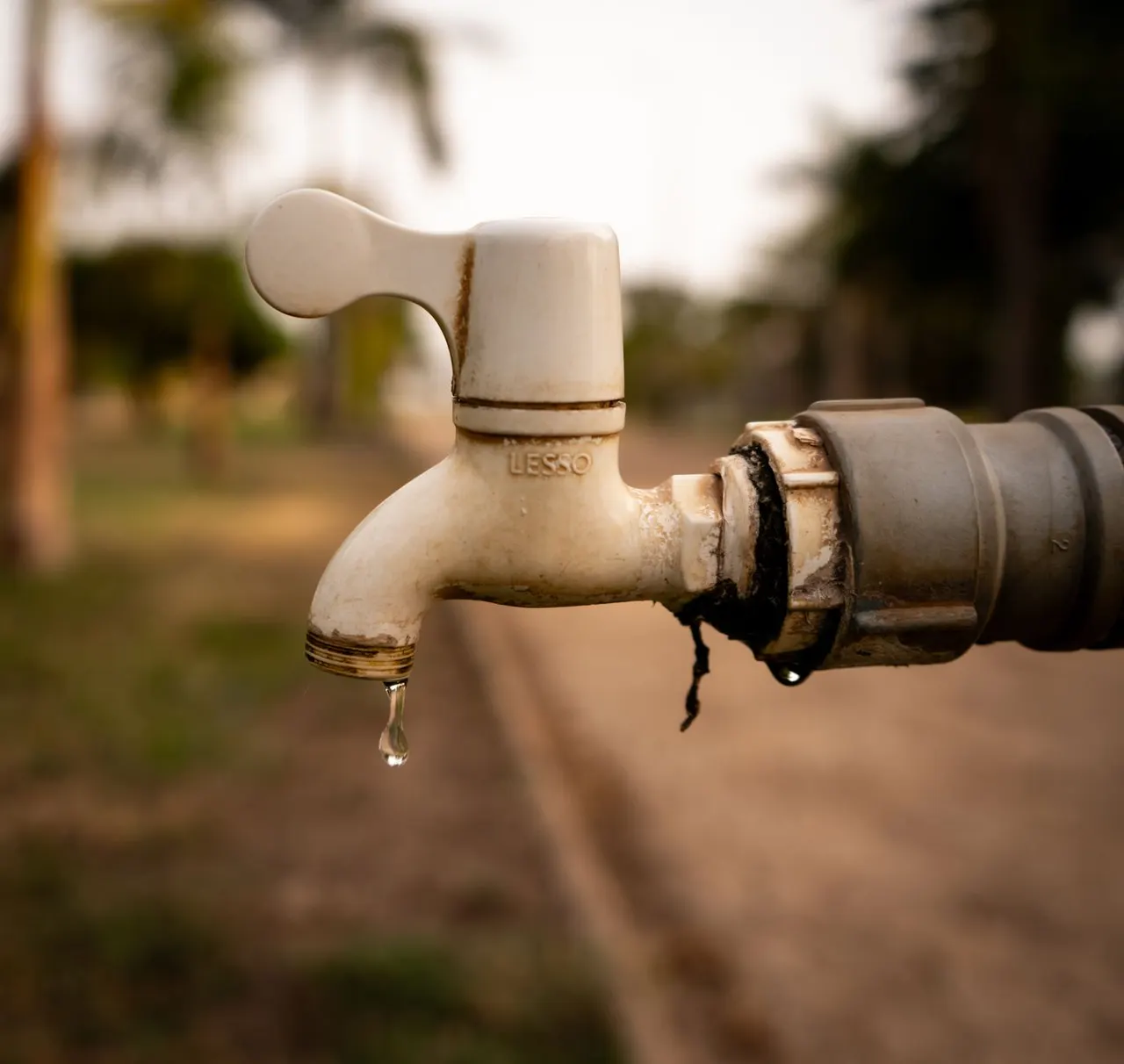
Listens to the sound of pressurized water escaping a pipe under the slab. Pins the leak location to within a few inches on copper and PEX systems.
Maps temperature differences on the floor surface. A hot water line leak shows up as a warm signature, which confirms location before we cut.
Pushes through the line to visually inspect the interior of the pipe. Confirms corrosion, joint failure, and the extent of the damage before we commit to a repair plan.
Amplifies and isolates the leak signal for precise location. Used on both hot and cold lines and on water service lines running under the slab.
Confirms system pressure holds after repair and maps moisture in the slab and surrounding materials. No patch goes down without a clean pressure test.
Traces the path of under-slab lines and confirms surface temperature readings. Helps us plan the smallest possible access point.
Used on reroute and lining jobs where we can rehabilitate or replace a line with minimal excavation. Keeps the slab and landscaping intact whenever the line allows.
All repairs and reroutes are done to UPC standards as adopted in California. That covers pipe material, fitting type, pressure testing, and backflow prevention on water service lines. We do not cut corners on code.
Every repaired line is pressurized to working pressure and held while we watch a gauge. If it drops, we keep working. This is the single step that prevents callbacks and protects your slab from a second opening.
If the failed section is isolated and the surrounding pipe is sound, we repair. If the line is corroded end to end, we reroute overhead. The decision is based on what the SeeSnake shows us, not on what is easier for us.
We cut the smallest access point the repair allows and score clean edges so the patch sits flush. That keeps your flooring repair cost down and the finished surface looking right.
For some commercial and multi-unit lines, epoxy pipe lining or trenchless pipe repair equipment can rehabilitate the pipe without a full slab cut. We evaluate whether your line qualifies before recommending it.
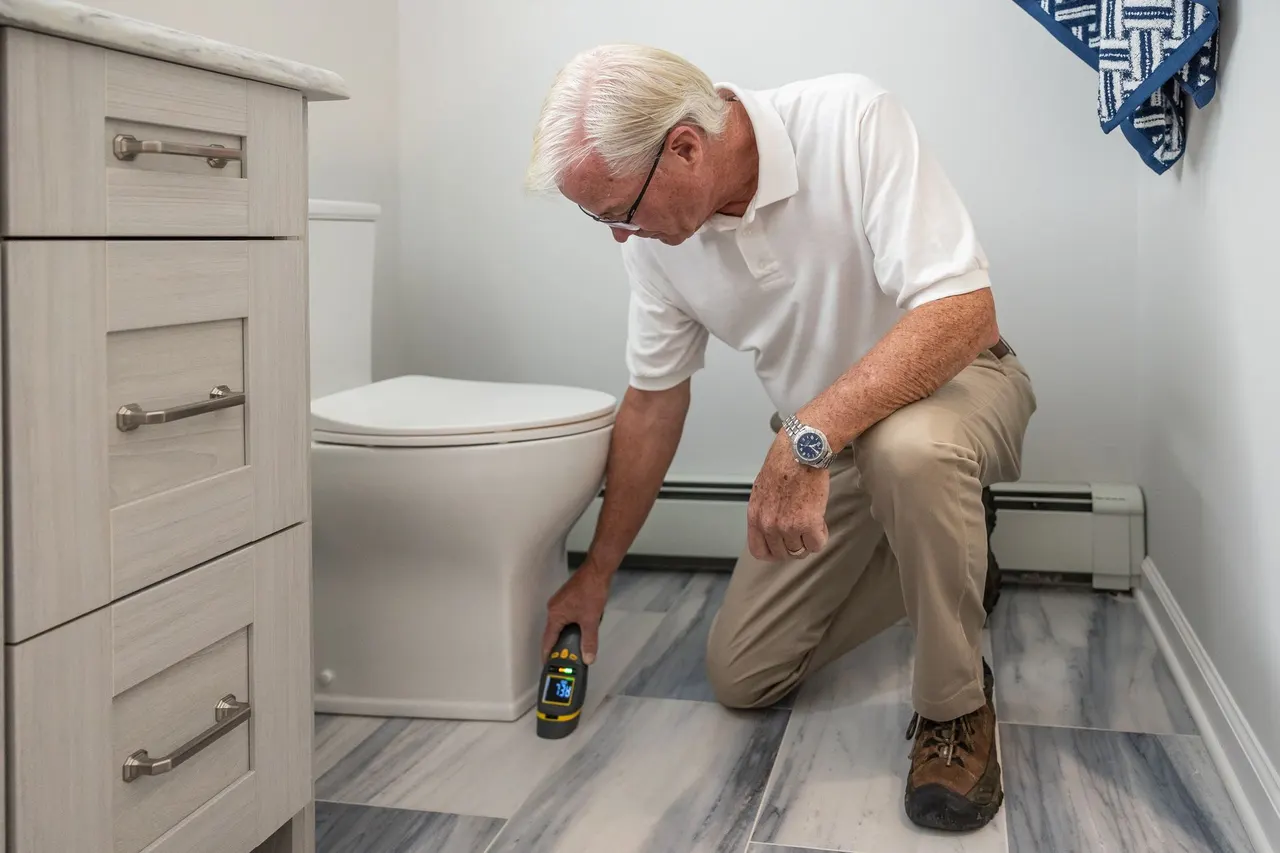
That is a live leak, and it needs attention today. We come out, isolate the hot and cold sides, and use acoustic detection to find the break. If it is under the slab, we open a small access point and repair it. If it is in a wall or yard line, we tell you and fix that instead. The meter stops spinning, the sound stops, and your next water bill reflects it. Most customers see the fix pay for itself within two billing cycles.
We run a full slab leak inspection with acoustic and thermal gear, document what we find, and give you a written summary you can hand to the buyer. If there is a leak, we quote the repair. If there is not, you have documentation that clears the flag. The transaction moves forward without a renegotiation surprise, and you have a clear record of the slab's condition at the time of sale.
Older copper in Laguna Niguel is at the age where pitting and joint failure become common. We inspect the system, identify weak sections, and give you an honest call on whether to repair the current leak or reroute the line before the next one fails. You either fix one leak and move on, or you reroute once and stop the cycle. Either way, you are not paying for the same slab to be opened three times in five years.
We coordinate access with the tenant, run detection, and repair the line. We document everything with photos and a written report so you have a clean record for the owner and the tenant. After-hours scheduling is available to keep disruption low. The unit is back in service, the tenant is satisfied, and you have documentation for your records. Most rental slab repairs are completed in a single day.
Laguna Niguel sits on a mix of older and newer housing stock, and that shapes what we find under the slab. Homes built in the 1960s through the 1980s often have original copper pipe that has reached the end of its service life, and we see a steady stream of pitting and joint failures in those properties. Homes built in the 1990s and 2000s are more likely to have PEX tubing or newer copper, which fail less often but still show up with joint issues. The local water is on the hard side, which accelerates scale buildup and corrosion inside the pipe. Soil here has moderate shrink-swell behavior, and that movement puts stress on under-slab lines over time. If you have been looking for concrete slab leak detection and repair Laguna Niguel CA homeowners can rely on, we know the neighborhoods, we know the construction eras, and we know what to expect before we cut. We work to California plumbing code, pull permits when the job requires it, and coordinate with flooring contractors so the whole repair lands in one clean sequence. For older homes, we often recommend a full inspection of the under-slab system rather than fixing one leak and waiting for the next.
Mix of 1980s and 1990s construction with original copper under many slabs. Hot water line leaks are the most common call we get here.
Larger lots with longer under-slab runs, which means more pipe exposed to soil movement. Water service line leaks show up here more than in denser tracts.
A range of build eras, including some 1970s homes with galvanized steel that has reached the end of its life. Reroutes are often the better call on those.
Coastal-adjacent properties where soil moisture stays higher year round. That accelerates corrosion on under-slab copper and makes early detection worth it.
Newer construction with PEX tubing in many homes. When leaks happen here, they are usually joint-related and easier to isolate with electronic detection.
Scale builds up inside copper and PEX lines, narrowing the pipe and accelerating corrosion at the joints. That is why we see more joint failures in Laguna Niguel than in areas with softer water.
Seasonal soil movement puts stress on under-slab lines and can crack fittings over time. Homes on clay-heavy lots see more slab leaks than homes on sandier soil.
Copper pipe has a service life, and much of the copper under Laguna Niguel homes is past it. When we find one leak in an older system, we inspect the rest and give you an honest read on whether to repair or reroute.
Hot water lines run hotter and longer here, which speeds up corrosion on the hot side. Warm spot on the floor is the most common symptom we get called for in summer and early fall.
A Laguna Niguel homeowner noticed a warm spot spreading across the kitchen tile and a water bill that jumped $130 in one month. The meter was spinning with everything off. The leak was under 18 inches of tile in a high-traffic area.
We detected the leak with acoustic and thermal gear in under an hour, cut a 14-inch access point, replaced the failed copper section, and pressure-tested the line. The slab was patched the same day. Water bill dropped back to normal on the next cycle.
Maintenance: Keep an eye on the water meter once a month with all fixtures off. If it spins, call us early. Early detection keeps the access point small and the flooring repair cheap.
A Crown Valley home had three slab leaks in four years, all on the same cold water run. Each repair meant another access point and another flooring patch. The owner was ready to stop the cycle.
We ran a SeeSnake inspection and confirmed the entire run was corroded. We rerouted the line through the attic with new PEX tubing and abandoned the old line in place. No new slab cuts. The system has held pressure since, and the owner has not had a leak since.
Maintenance: Rerouted lines should be visually checked once a year in the attic for any sign of moisture or fitting wear. It takes five minutes and catches problems before they become slab issues.
A Marina Hills homeowner noticed a musty smell and a soft spot near the bathroom vanity. A moisture meter showed elevated readings across a 4-foot area. The leak was a pinhole in a hot water line under the tile.
We used thermal imaging to pinpoint the leak without pulling tile, cut a 12-inch access point, repaired the copper, and pressure-tested. The slab was patched and dried, and the homeowner had the tile reset a week later. No mold, no flooring replacement.
Maintenance: Run the bathroom exhaust fan during and after showers to keep humidity down. Lower ambient moisture makes it easier to spot new leaks early with a moisture meter.
A slab leak is rarely just a plumbing problem. It shows up in your water bill, your flooring, your foundation, and sometimes your health. Here are the ones we see most often and how we handle them.
A pinhole leak in a hot water line can waste 20 to 60 gallons a day. Over a billing cycle, that is $80 to $200 out of your pocket, and it keeps climbing until the line is fixed. We shut down the affected line, run acoustic detection to pinpoint the break, and repair or reroute it the same day. Once the meter stops spinning, your bill goes back to normal on the next cycle. Most repairs pay for themselves in two to three billing periods.
A warm spot means a hot water line leak under slab. Left alone, the heat and moisture break down the slab, lift tile, and can warp laminate or LVP within a few weeks. We confirm the leak with a thermal imaging camera, cut a small access point, and repair the hot water line. If the run is corroded beyond the break, we reroute it through the attic so the slab stays intact. Pressure test and patch finish the job.
Visible moisture on the slab means the leak is significant and the soil under your foundation is saturated. That is when foundation movement, sticking doors, and drywall cracks start showing up. We locate the source with electronic leak detection equipment, repair the pipe, and check the slab for any sign of foundation crack from leak movement. If the foundation needs a specialist, we tell you straight and hand off cleanly.
A slow slab leak under a bathroom can soak the carpet pad and subfloor for months before you notice. That is a mold risk and a flooring replacement waiting to happen. We use a moisture meter and thermal camera to map the wet area, find the leak, and repair the line. Then we dry the area and patch the slab so the flooring can be replaced on a dry, stable base.
We are a state-licensed plumbing contractor operating under a California Contractor License (C-36 Plumbing) and working to the IAPMO Uniform Plumbing Code. Our technicians are trained on RIDGID SeeSnake inspection cameras, LeakTronics acoustic gear, and Fluke thermal instruments, and we carry OSHA safety certification on every job. We have opened slabs in Laguna Niguel homes built in the 1970s, 1980s, and 1990s, and we know how each era of construction behaves under the concrete. That local experience is why we can usually tell you what we expect to find before we cut.
Most concrete slab leak repair in Laguna Niguel runs $600 to $2,800 in 2026, with detection alone at $250 to $450. Simple access and repair on a single line sits at the low end. Rerouting a corroded line overhead, or repairing under tile that has to be lifted and reset, pushes toward the high end. We quote the full job before we start.
Sometimes, yes. If the leak is in a line that can be abandoned and rerouted through the attic or walls, we can leave the slab untouched. That works well for hot water lines and some cold runs. For a leak directly under a fixture or in a short service run, a small access point is still the cleanest fix. We tell you which applies after detection.
The three big causes here are under-slab pipe corrosion, pipe joint failure under slab, and abrasive contact between pipe and slab aggregate. Laguna Niguel's soil has moderate expansion and the water is on the hard side, both of which shorten the life of copper. Homes built before 1990 with original copper are the most common call we get.
Detection takes 45 to 90 minutes. The repair itself usually runs two to five hours for a single access point, and the concrete patch needs a few hours to cure before flooring goes back. Most jobs are done in one day. Reroutes and under-tile repairs can stretch to two days if flooring has to be reset.
Not seeing your question? Our local team can help you understand urgency, scheduling and what to expect.
Ask the local teamOur core service and the umbrella for everything on this page. If you are not sure whether you have a slab leak or a supply line leak, start here and we will sort it out with detection gear before any concrete gets cut in your Laguna Niguel home.
View service
Acoustic and thermal detection that pinpoints the break before we open anything. For Laguna Niguel homeowners, this is the step that keeps the repair small and the flooring bill low. We run it on every job, no exceptions.
View service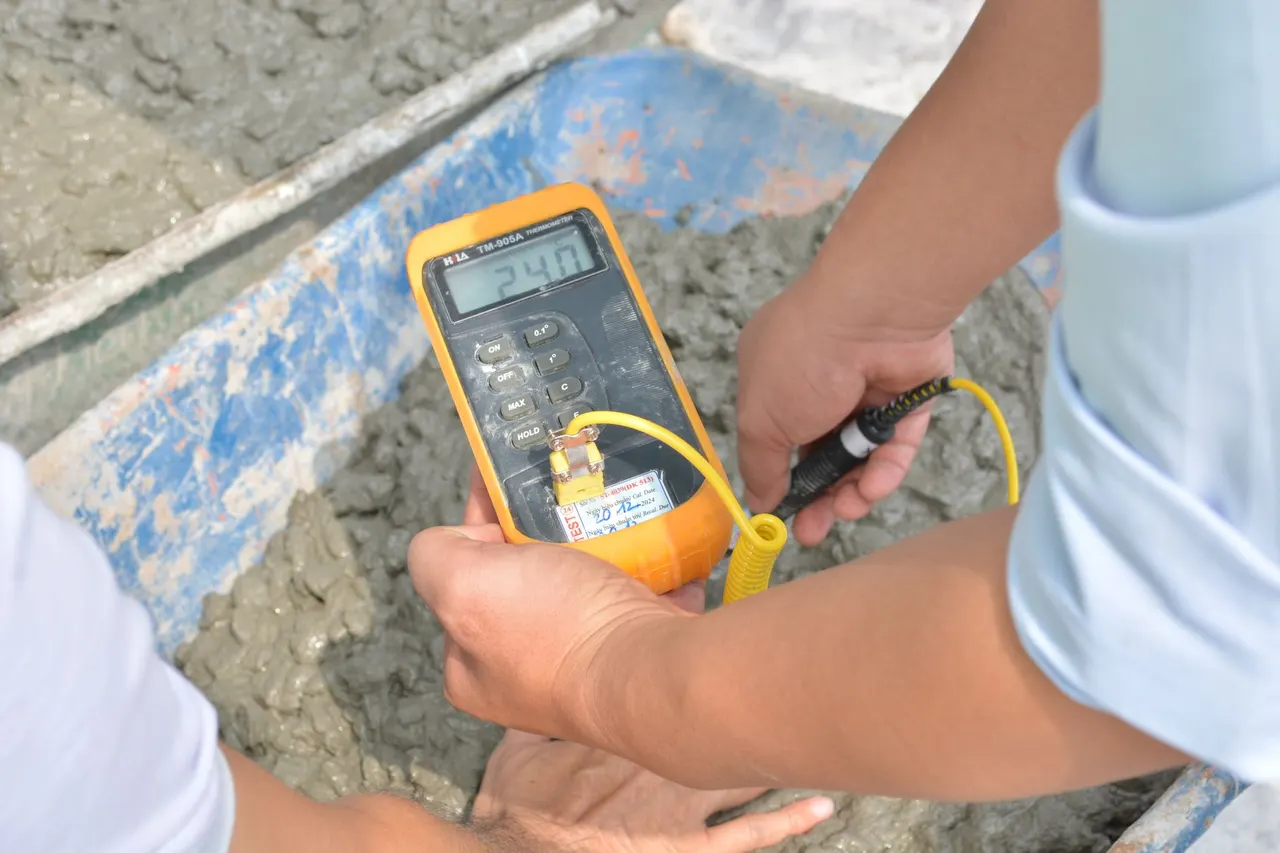
When water is actively coming up through the slab, every hour counts. We run 24/7 emergency calls across Laguna Niguel and Orange County, and we can shut down the line and stop the flow before we schedule the full repair.
View service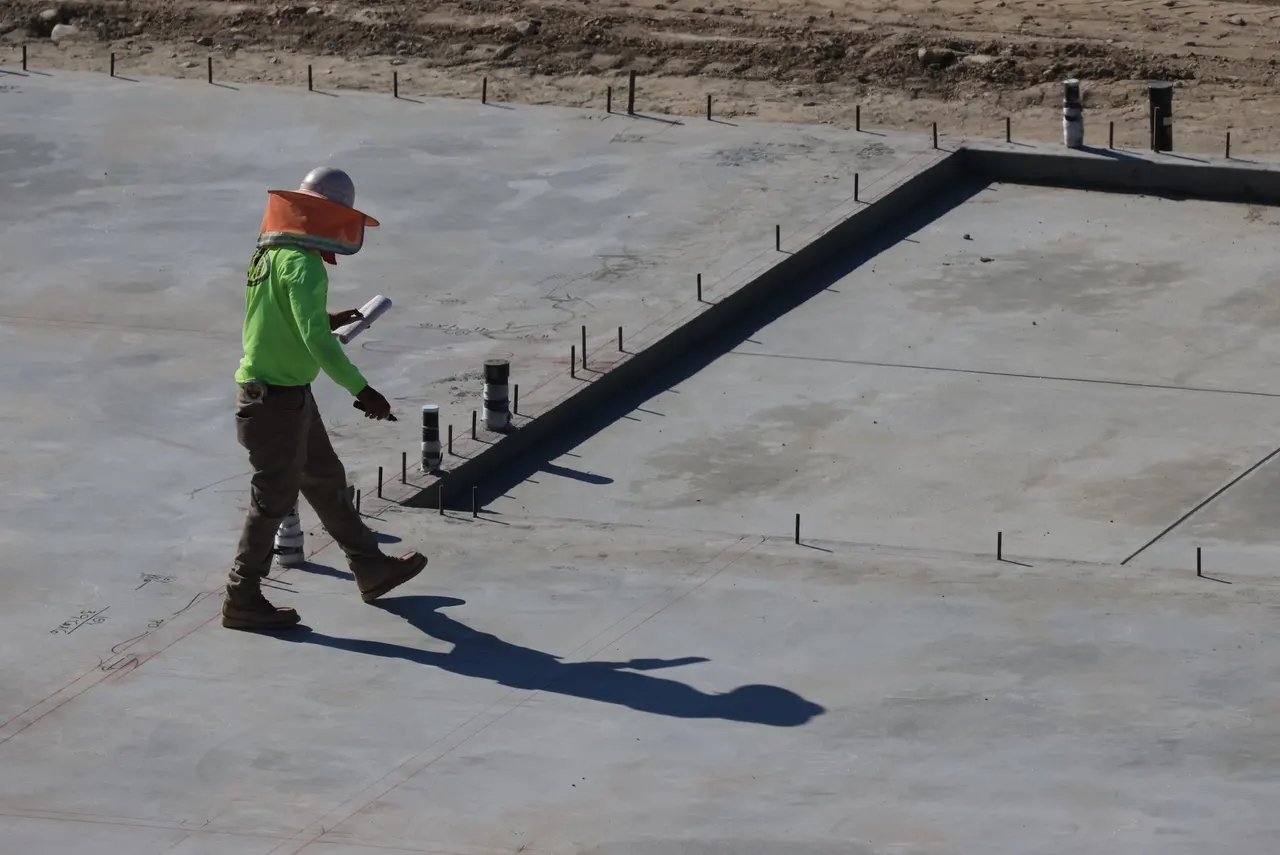
The pipe work itself, done beneath the concrete. We cut a tight access point, replace the failed section with new copper or PEX tubing, and pressure-test before the slab goes back. This is the heart of any concrete slab leak repair.
View service
Reach us at (949) 593-2386 any time, day or night. We answer live, ask the right questions about your water bill and floor symptoms, and dispatch a technician with detection gear. Most calls in Laguna Niguel and the 92677 area get a tech on site the same day.