Focused arrival windows
Useful updates and clear arrival timing.
Slab Leak Repair in Laguna Niguel is what we do every day: we find the hidden pipe leak under your floor, fix it, and confirm the line holds before we pack up. If your water bill jumped, a warm spot appeared on the tile, or the meter keeps spinning with everything off, call us. We run electronic detection first so we cut concrete once, not twice.
Useful updates and clear arrival timing.
Review the approach and price before deciding.
Equipped vehicles and respectful cleanup.
Neighbors serving neighbors with follow-through.
Every job starts with detection and ends with a pressure test and a patched slab. Here is what is covered in a standard repair, and where the scope can grow depending on what we find once the concrete is open.
Pressure test, acoustic listening, and thermal scan across the affected area. We mark the leak point on the floor before any cutting starts, and we show you the readings so you know it is a real loss and not a fixture.
We cut a tight access opening at the marked point using a concrete saw with dust control. Post-tension slabs get scanned for cable first. You get one clean opening instead of exploratory cuts across the room.
Damaged section cut out and replaced with new copper or PEX tubing, or the run rerouted overhead through the attic or walls. Fittings, solder, and pipe sealant are included. We build it to IAPMO Uniform Plumbing Code (UPC) standards.
The repaired line gets re-pressurized and held before anything is closed up. You see the gauge hold. If it drops, we keep working. This is the step that proves the repair, and it is not optional on our jobs.
Backfill, concrete patching compound, and a level finish so flooring lays flat again. We broom-clean the work area and haul off debris. Concrete patching is included in the price, not billed as a separate trade.
We pull the plumbing permit through the city and coordinate the inspection. You get the signed-off paperwork for your records, which matters when you sell the house and a buyer's inspector asks about under-slab plumbing.
Share what is happening and receive a clear next step from the local team.
Slab Leak Repair in Laguna Niguel is the process of locating a failed pipe beneath your concrete foundation, opening the slab at the exact leak point, repairing or rerouting the line, and restoring the floor. Most homes here sit on post-tension or conventional slabs with copper or PEX supply lines poured underneath. When one of those lines corrodes, cracks at a joint, or gets abraded by shifting soil, water escapes into the soil under your house instead of reaching the fixture. We confirm the leak with a pressure gauge and a moisture meter, map the pipe with a video pipe inspection camera, then repair it.
Laguna Niguel homes built from the 1970s through the 1990s are the ones we see most, and copper pipe under slab is the usual suspect. Hard mineral content in local water eats at the pipe wall from the inside, and a hot water line leak under slab shows up as a warm spot on the floor long before it shows up as a puddle. If you have been searching for a slab leak fix Laguna Niguel CA homeowners can actually reach on a Sunday, that is us. We answer, we come out, and we tell you what is happening.
You call (949) 593-2386 and describe what you are seeing: warm floor, spinning meter, damp carpet, high bill. We ask three or four questions that usually narrow it to a hot or cold line before we ever roll a truck. If it is an emergency slab leak repair Laguna Niguel CA open now situation, we move you to the front of the board.
We shut the fixtures down, isolate the system, and pressurize it with a gauge to confirm there is a real loss. Then we sweep the slab with a listening disc and an acoustic leak detection microphone, cross-check with a thermal imaging camera, and mark the spot. Detection usually takes 45 to 90 minutes in a typical Laguna Niguel home.
We cut a controlled access opening in the slab at the marked point, expose the pipe, and confirm the failure with the video pipe inspection camera. Depending on what we find, we either cut out the damaged section and replace it with copper or PEX tubing, or reroute the line overhead through the attic or walls to get it out of the slab entirely.
Before anything gets closed up, we re-pressurize the repaired line and hold it. If it does not hold, we do not pour. This is the step that separates a real repair from a patch job, and it is why we rarely get called back to the same address for the same leak.
We backfill, apply concrete patching compound, and leave the area clean. Then we walk the job with you, show you the test results, and explain what to watch over the next 30 days. Most single-point repairs are done in one day; reroutes can run into a second day.

Picks up the sound of pressurized water escaping a pipe under concrete. We sweep the slab in a grid and mark where the signal peaks, which narrows the leak to a few inches before we cut.
Reads temperature differences on the floor surface. A hot water line leak under slab shows as a warm plume, and the camera lets us see it without pulling up flooring.
Goes inside the pipe to show us the actual failure: corrosion, joint separation, or a crack. We show you the footage so you can see what we are repairing and why.
Confirms there is a real loss and measures how fast it drops. The same gauge is used after the repair to prove the line holds before we close the slab.
A ground-contact microphone that isolates leak sound from ambient noise. It is how we work in occupied homes without tearing up the whole room to find the source.
Maps the under-slab pipe route and confirms hot versus cold line before we cut. Knowing the pipe path keeps our access opening small and protects post-tension cable.
For reroutes and service line work where we can avoid digging. It reduces concrete removal and gets the new line in with less disruption to landscaping and hardscape.
Every repair and reroute is built to UPC standards, which is what the city inspector checks. It covers pipe material, support spacing, and pressure testing requirements. Building to code is not a selling point, it is the baseline for work that passes inspection.
We isolate the hot and cold sides separately and pressurize each one. That tells us which line failed before we open anything, and it gives us a clean before-and-after number to show you at the end of the job.
A spot repair makes sense when the pipe is sound everywhere except one section. A reroute makes sense when corrosion is spread across the run. We show you the camera footage and let the pipe condition decide, not the schedule.
Post-tension slabs have tensioned cable running through them, and cutting one is dangerous. We scan and mark cable locations before any concrete saw touches the slab, then cut only in verified safe zones.
We pressure-tested the supply lines, isolated the hot side, and located a joint failure under the kitchen slab with acoustic detection. Cut one 18-inch access point, replaced the failed section with new copper, pressure tested, and patched the slab the same day. Water bill returned to normal on the next cycle, and the kitchen tile went back down over the same footprint with no layout changes.
Thermal imaging confirmed a hot water line leak under slab. Because the copper showed corrosion in two separate sections, we recommended a reroute through the attic instead of two spot repairs. The new line went in over two days with a permit pulled through the city. The warm spot disappeared, the hiss stopped, and the under-slab pipe was abandoned in place so no future leak can start there.
We isolated the affected zone, worked after hours, and used electronic leak detection equipment to pinpoint the break without disturbing the rest of the building. The line was repaired and pressure tested before the tenant opened. No lost business day, no unpermitted work, and a documented pressure test on file for the property owner.
We ran a slab leak inspection with pressure testing and a video pipe inspection camera, and gave the buyer a written read on the pipe condition. The report showed one active leak and a second section near failure. The buyer negotiated the repair into the sale, and we completed the fix and reroute after closing with the permit handled.
Laguna Niguel sits on clay-heavy soil that expands when it gets wet and shrinks when it dries, and that movement is hard on under-slab pipe. Most of the housing stock went up between the 1970s and 1990s, which means a lot of original copper pipe is now 30 to 50 years old and past its expected service life. Add mineral content in the local water supply and you get the two failure modes we see constantly: corrosion from the inside and abrasion at the joints from soil movement outside. Winter is our busiest stretch. After the first heavy rain, saturated soil shifts, and we get a run of calls for water seeping through concrete slab in homes from Laguna Hills to San Juan Capistrano. Summer brings the opposite problem: dry soil shrinks, pipe settles, and joints that were already weak let go. If you are looking for a professional slab leak repair Laguna Niguel crew that knows which tracts have post-tension slabs and which streets see the most movement, that local pattern recognition is worth as much as the detection gear.
Mostly 1980s and 1990s construction with copper supply lines under slab. We see a lot of hot water line failures here because the original pipe is at the end of its service life.
Elevated lots with soil that drains fast but moves after heavy rain. Joint failures at the slab edge are common, and detection usually points to the perimeter rather than the center of the home.
Older tract homes with original copper and some post-tension slabs. We scan for tension cable before every cut here, and reroutes through the attic are a frequent recommendation.
Mix of residential and commercial slabs along the parkway. Commercial calls here usually need after-hours work so the business does not lose a day.
Seasonal soil movement stresses under-slab pipe at the joints. It is the leading cause of pipe joint failure under slab in this area, and it is why we see clusters of leaks after a wet winter or a dry summer.
Minerals eat at the pipe wall from the inside, thinning copper over decades. This is the main driver behind under-slab pipe corrosion and the reason hot lines fail before cold lines.
Original copper under slab in these homes is now past its expected life. When we find one leak in a 1985 slab, we assess the whole run, because a second failure is often not far behind.
Cutting a tension cable is dangerous and expensive. We scan and mark cable routes before any concrete cutting, which adds a step but keeps the job safe and the slab structurally sound.
A Laguna Niguel homeowner's water bill jumped from about $95 to $240 in one cycle with no visible leak inside the house. The meter kept spinning with every fixture off, and a faint warm patch had started forming near the kitchen.
We located a hot water line leak under the kitchen slab, cut one 18-inch access point, replaced the failed copper section, and pressure tested the line. The slab was patched level the same day and the bill returned to normal on the next cycle.
Maintenance: Watch the meter once a month with all fixtures off. If it moves, call us before the next cycle. Keeping the water softener maintained also slows mineral corrosion inside the pipe.
A Marina Hills home had a warm spot in the hallway and a hiss at night. Camera footage showed corrosion at two separate points on the same hot water run, roughly 14 feet apart. A single spot repair would have left the second failure waiting.
We rerouted the hot water line overhead through the attic, abandoned the under-slab pipe in place, and pulled the permit through the city. The warm spot and the hiss were gone, and the pressure test held at full line pressure.
Maintenance: No under-slab pipe means no future slab leak on that run. Keep an eye on attic line insulation and have the run re-checked if you ever hear water running with fixtures off.
A tenant space in Laguna Hills had water seeping through the concrete slab near a restroom wall. The property manager needed the space open the next morning and could not afford a full-day shutdown for exploratory cutting.
We isolated the zone, used electronic leak detection equipment to pinpoint the break, and worked after hours. The pipe was repaired and pressure tested before the tenant opened, with the permit and inspection documented for the owner.
Maintenance: Have the supply lines pressure tested annually as part of your building maintenance schedule. Early detection on a commercial slab saves a tenant disruption and a much larger repair bill.
These are the four calls we get most often from Laguna Niguel homeowners. Each one has a different symptom and the same root cause: a pipe under the slab that has failed and is dumping water into the soil under your house.
A hidden under-slab leak can waste thousands of gallons a month and push your bill up hundreds of dollars before you see a single wet spot. The longer it runs, the more soil it moves under your foundation. We shut the fixtures, watch the water meter spinning, and pressure-test the supply lines to confirm the loss. Then we sweep the slab with acoustic and thermal gear to find the exact point. Most hidden leaks are located and marked within 90 minutes of arrival.
A warm patch on tile or carpet almost always means a hot water line leak under slab. Heat accelerates pipe corrosion, so these leaks tend to grow faster than cold line leaks and can warp flooring within weeks. We confirm the hot line with an infrared thermometer and a thermal imaging camera, then isolate the hot side and pinpoint the failure. Repair or reroute follows the same day in most cases, and we pressure test before closing the slab.
Visible moisture at the slab edge or through a crack means the soil under your foundation is saturated. Left alone, that saturation leads to a foundation crack from leak damage and a repair bill several times the cost of the pipe fix. We locate the source, repair the failed pipe, and dry the area before patching. If we see signs of foundation movement, we tell you straight and recommend a structural review after the water is stopped. Fixing the water always comes first.
That hiss under the floor is water escaping a pressurized line. It will not stop on its own, and every day it runs adds to the water bill and the damage under the slab. We use an acoustic leak detection microphone and a listening disc to trace the sound to its source, then verify with a pressure gauge. Once located, we cut a tight access point and repair the line. Same-day service is common for this call.
Our technicians work under a California Contractor License (C-36 Plumbing) and build every repair to IAPMO Uniform Plumbing Code (UPC) standards. We have run detection and repair on Laguna Niguel slabs long enough to know which tracts were built with copper, which ones have post-tension cable you must not cut, and which streets see more soil movement after a wet winter. We carry RIDGID SeeSnake cameras, Fluke meters, and LeakTronics listening gear on every truck, and we keep OSHA safety certification current because slab work means confined access and concrete cutting. You get a crew that has done this hundreds of times, not a general handyman guessing at where to cut.
Most single-point repairs in Laguna Niguel run $1,200 to $4,500 in 2026, with detection alone at $250 to $600. A full pipe reroute through the attic or walls typically lands between $4,000 and $9,000. The variables are access depth, whether it is a hot or cold line, and whether we cut one spot or reroute the run. We give you the number before we start cutting.
No, and it is not a close call. You cannot find the leak without a pressure gauge, a listening disc, and a thermal imaging camera, and you cannot cut a post-tension slab without risking a cable that can injure you. Add the permit requirement and the pressure test, and a DIY attempt usually costs more than hiring us once. Call (949) 593-2386 instead.
Detection takes 45 to 90 minutes. A straightforward single-point repair is usually a one-day job, roughly 6 to 9 hours including access, repair, pressure test, and patching. A reroute runs one to two days. If your slab is post-tension or the leak sits under tile you want saved, budget the longer end of that range.
Yes, most slab repairs and reroutes require a plumbing permit through the city, and the work has to meet IAPMO Uniform Plumbing Code (UPC) standards. We pull the permit and handle the inspection as part of the job. Skipping it can bite you at resale, when a buyer's inspector finds unpermitted plumbing under the slab.
Not seeing your question? Our local team can help you understand urgency, scheduling and what to expect.
Ask the local team
Detection comes before any repair. We use acoustic and thermal gear to pinpoint the leak within inches, so the repair crew cuts one small access point instead of a trench across your floor. Most Laguna Niguel detections finish inside 90 minutes.
View serviceWater coming up through the floor at 11 p.m. is an emergency, and we treat it like one. We isolate the line, stop the loss, and get a crew out to Laguna Niguel fast. Call (949) 593-2386 and we will tell you what to shut off while we drive.
View service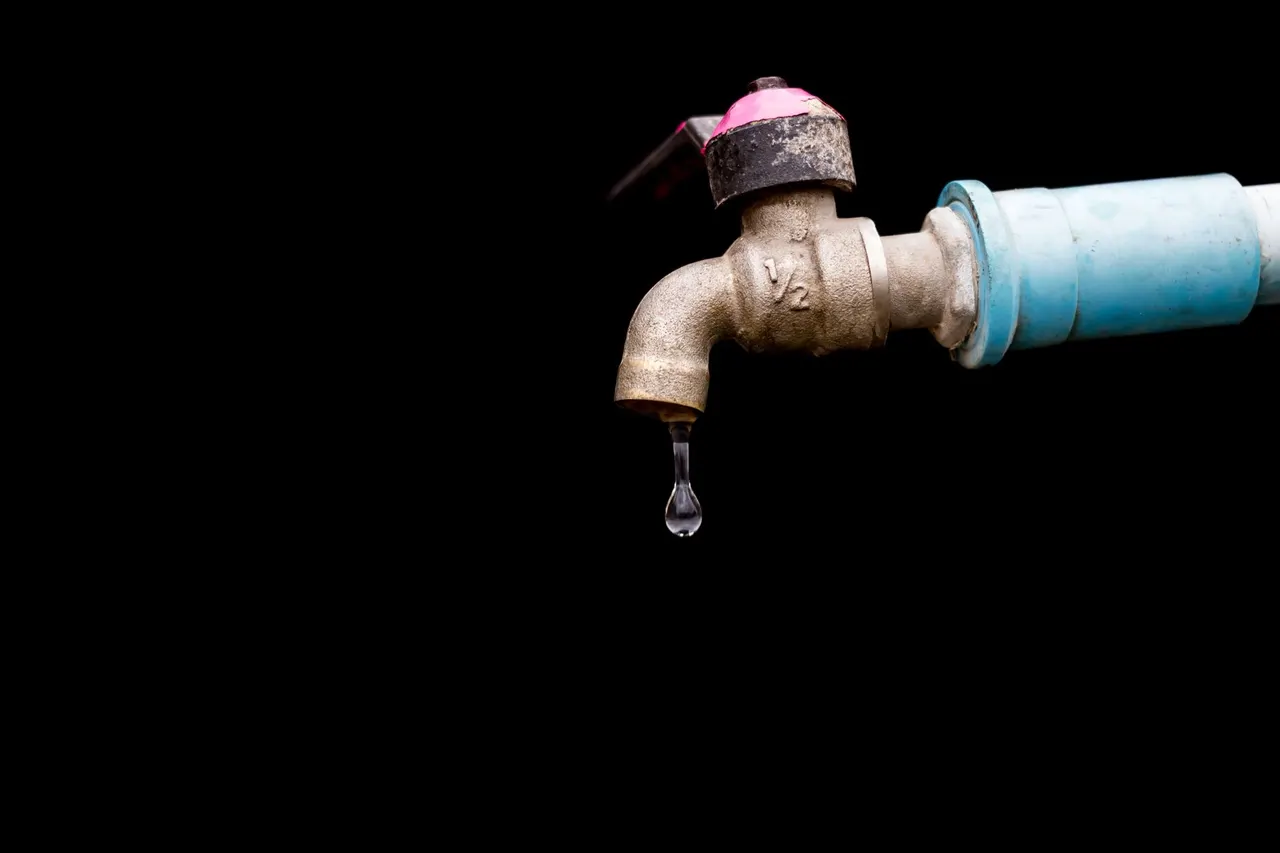
The core of what we do. Under-slab pipe corrosion, joint failure, and abrasion from shifting soil all get handled the same way: expose, repair or reroute, pressure test, patch. We build it to UPC standards so it passes inspection the first time.
View service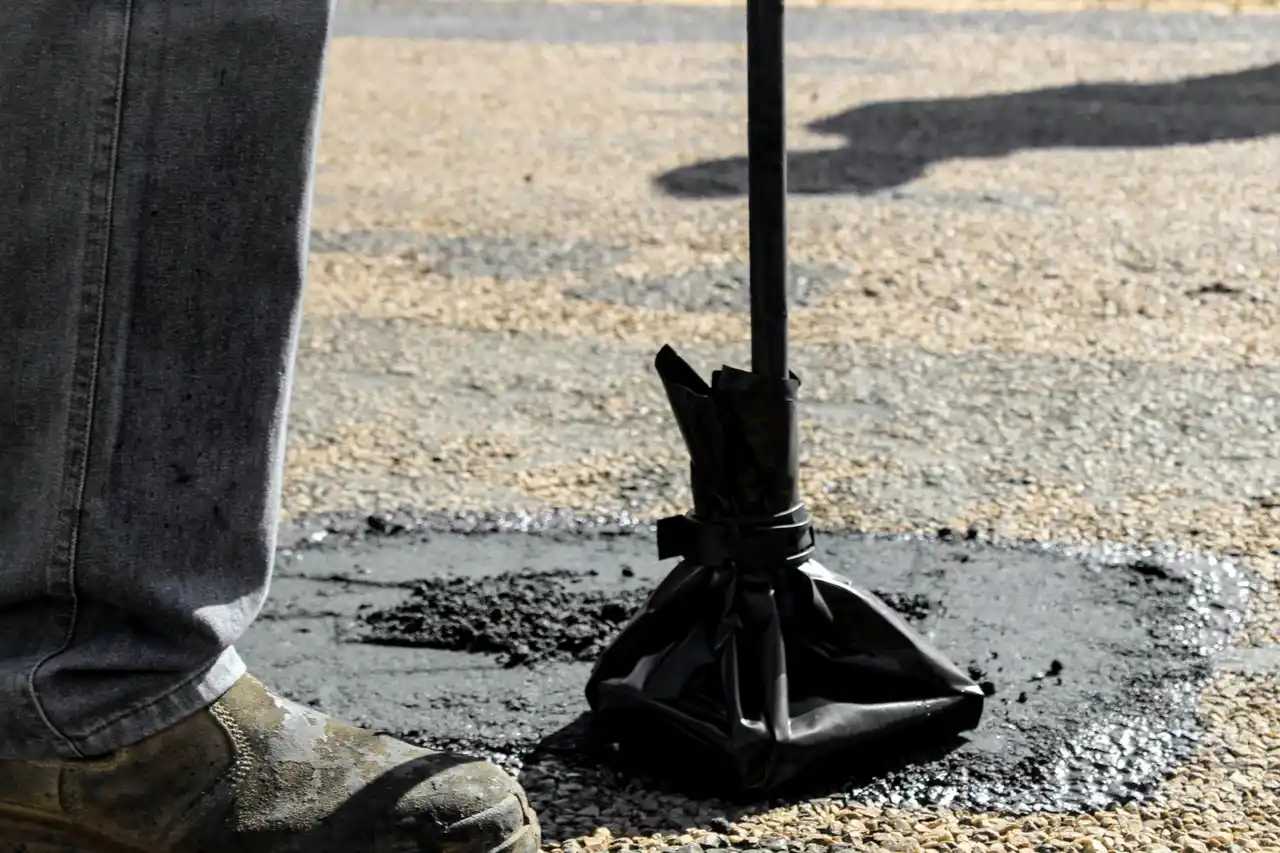
A warm spot on the floor is the classic sign of a hot water line leak under slab. Hot lines fail faster than cold ones because heat accelerates corrosion. We confirm it with an infrared thermometer, then repair or reroute the run.
View service
Reach us at (949) 593-2386 any time, day or night. We answer live, ask the right questions about your water bill and floor symptoms, and dispatch a technician with detection gear. Most calls in Laguna Niguel and the 92677 area get a tech on site the same day.