Focused arrival windows
Useful updates and clear arrival timing.
Foundation Slab Leak Repair in Laguna Niguel means finding the broken pipe under your concrete, fixing it without tearing up the whole house, and proving the line holds before we leave. If your water bill jumped, a warm spot spread across the floor, or the meter keeps spinning with every fixture off, we handle it. Licensed, insured, and working across Orange County seven days a week.
Useful updates and clear arrival timing.
Review the approach and price before deciding.
Equipped vehicles and respectful cleanup.
Neighbors serving neighbors with follow-through.
Every job includes detection, repair, pressure test, concrete patch, and cleanup. If the repair requires flooring removal or a full reroute, we tell you before we start and price it separately.
Acoustic listening, thermal imaging, pressure isolation, and video pipe inspection. We confirm the leak location and pipe material before any concrete is opened. This stage alone saves most homeowners from a much larger cut.
You get a written flat price for the repair before we start. The quote covers labor, materials, concrete patch, and cleanup. No hourly billing, no surprise line items at the end.
We repair the failed section with new copper or Uponor PEX tubing and new fittings, or reroute the line through the attic or walls when that is the better long-term fix. Your choice, priced both ways.
We pressure-test the repaired line at 80 to 100 PSI for 30 minutes and give you the readings. That documentation matters if you ever sell the home or file an insurance claim.
We backfill, pour concrete patching compound, and match the surrounding slab as closely as possible. The work area is swept and debris hauled out before we leave.
Every repair carries a written warranty. If the same line fails again within the warranty period, we come back and make it right at no charge to you.
Share what is happening and receive a clear next step from the local team.
Foundation Slab Leak Repair in Laguna Niguel is the process of locating a failed water or drain line beneath a concrete slab, accessing it with the smallest possible opening, and restoring the pipe so the slab and foundation stay dry and stable. We start with acoustic leak detection microphones and a thermal imaging camera to hear and see where water is escaping, then confirm with a pressure gauge isolation test. Once we know the exact spot, we repair or reroute the line, pressure-test it, and patch the concrete with a matching compound.
Most Laguna Niguel homes sit on post-tension or standard slab-on-grade foundations built from the 1970s through the 2000s, and the copper pipe under those slabs has been sitting in our local soil for decades. Warm spots on tile, a water meter spinning with everything shut off, and water seeping through concrete slab are the three calls we get most. If you need a foundation slab leak fix Laguna Niguel CA homeowners can count on, we isolate the line, show you the readings, and give you the repair options before we cut anything.
Call (949) 593-2386 and describe what you are seeing: warm floor, spinning meter, damp carpet, or a spike on the bill. We ask three or four questions, tell you whether to shut off the main, and schedule a same-day or next-morning visit. Most Laguna Niguel calls get a technician on site within 90 minutes.
We pressurize the system, then walk the slab with an acoustic leak detection microphone and a thermal imaging camera. A RIDGID SeeSnake video pipe inspection camera confirms pipe material and condition. This stage takes 60 to 120 minutes and ends with the leak marked on the floor in painter's tape.
We show you the readings, the marked location, and the pipe material, then lay out your options: spot repair, pipe rerouting through the attic or walls, or a full under-slab replacement. You get a flat price for each. No work starts until you pick one.
Depending on access, we cut a 12-by-12 to 24-by-24 inch opening, repair the failed section with copper or Uponor PEX tubing and new fittings, or reroute the line entirely. Then we pressure-test at 80 to 100 PSI for 30 minutes and watch the gauge. If it holds, we move to concrete.
We backfill, pour concrete patching compound, and match the surrounding slab as closely as possible. The work area gets swept and hauled out. You receive a written warranty on the repair, and we leave the pressure-test readings with you for your records.
Listens to the sound of pressurized water escaping under the slab and narrows the leak to a 6-to-12 inch zone before any concrete is opened.
Shows temperature differences on the floor surface, which is the fastest way to confirm a hot water line leak under slab without cutting.
Confirms pipe material, condition, and the exact location of the failure from inside the line. Essential when deciding between a spot repair and a reroute.
Amplifies and filters the leak signal so we can distinguish between a slab leak, a wall leak, and a fixture leak before we commit to a repair plan.
Isolates the hot and cold sides at 80 to 100 PSI and measures slab moisture content. The pressure test after repair is the proof the fix held.
Maps the exact path of the under-slab line so we know where to cut and where to avoid post-tension cables.
Allows us to repair or line the pipe with minimal concrete removal when the pipe condition and access allow. Less dust, less disruption, faster recovery.
We shut off the main and pressurize the hot and cold sides separately at 80 to 100 PSI. Whichever side loses pressure is the side with the leak. This step takes 15 to 20 minutes and eliminates guesswork before detection begins.
We never rely on a single tool. The acoustic microphone tells us where the sound is, and the thermal camera confirms it with a temperature signature. When both agree, we mark the floor and cut with confidence.
Every repair follows UPC standards for pipe material, fitting type, and pressure testing. That matters for permit inspections, insurance claims, and resale documentation.
For pipes with isolated corrosion but otherwise sound walls, epoxy pipe lining creates a new pipe inside the old one. It is a good fit for some under-slab runs and avoids full replacement.
After the repair, we pressure-test at 80 to 100 PSI for 30 minutes and record the readings. You get a copy. If the gauge moves, we do not patch the concrete until it holds.
We isolated the cold water line, confirmed the leak with acoustic detection, and cut a single 14-inch access point in the hallway. The failed section was replaced with new copper and pressure-tested at 90 PSI. One-day repair, concrete patched, and the next water bill came in at normal usage. The homeowner kept the pressure test readings for their records.
Thermal imaging confirmed a hot water line leak under slab. We priced both a spot repair and an attic reroute. The homeowner chose the reroute to avoid future access issues. Three-day job with no flooring removed, and the kitchen floor returned to normal temperature. The new line is accessible from the attic if it ever needs service.
We worked overnight to avoid disrupting the tenant, located the leak with a video pipe inspection camera, and repaired the line with epoxy pipe lining where the pipe condition allowed. Tenant never lost a business day, the meter stopped spinning, and the property manager received full documentation for the insurance claim.
We ran a full detection and repair in two days, pressure-tested the line, and provided written documentation of the repair and warranty. The sale closed on schedule, and the buyer received the pressure test readings and warranty paperwork at closing.
Laguna Niguel sits on a mix of expansive clay and decomposed granite soil, and that matters for slab leaks. Clay swells when it gets wet and shrinks when it dries, which puts constant movement pressure on under-slab copper pipe. Most of the housing stock here was built between 1975 and 2005, so the original copper has been in the ground for 20 to 50 years. We see the highest call volume from October through March, when soil moisture swings hardest, and again in July and August when hot water lines run constantly and small leaks become visible warm spots. If you need a foundation slab leak fix near me Laguna Niguel 24/7, we answer the phone and dispatch the same crew that handles scheduled work. For older homes, we evaluate whether a spot repair or a full reroute makes more sense given the pipe's remaining life. California Contractor License (C-36 Plumbing) work, IAPMO UPC compliance, and Orange County permit handling are standard on every job.
Mix of 1980s and 1990s slab-on-grade homes with original copper. Hot water line leaks are common here because the lines run long distances under tile.
Older housing stock with copper pipe approaching end of life. We often recommend full reroutes rather than repeated spot repairs on these homes.
Larger two-story homes with long under-slab runs. Access cuts here need careful pipe locating to avoid post-tension cables.
Custom homes with varied pipe layouts. We map the system before cutting because there is no standard floor plan to reference.
Newer construction with PEX and CPVC in some homes. Leaks here are more often at fittings than in the pipe wall itself.
Puts constant movement stress on under-slab copper pipe and accelerates joint failure. We see more pipe joint failure under slab here than in sandy-soil areas.
Long runs mean more pipe surface in contact with soil and more opportunities for corrosion. Thermal imaging is essential for locating these leaks without cutting.
Cutting into a post-tension slab without locating the cables first is dangerous and expensive. We use a pipe locator and slab scans before any cut.
Leak calls spike in fall and winter as soil movement stresses aging pipe. We staff up for these months so response times stay under 90 minutes.
A 1985 Laguna Niguel home with a water bill that jumped from $110 to $480 in one cycle. The meter spun with every fixture off. Acoustic detection located the leak under the hallway slab, and the copper pipe showed heavy under-slab pipe corrosion at a joint.
We cut a single 14-inch access point, replaced the failed section with new copper and fittings, and pressure-tested at 90 PSI for 30 minutes. The concrete was patched and matched. The next water bill came in at $115.
Maintenance: We recommend an annual water meter check with all fixtures off. If the meter moves, call us before the bill spikes. The repair carries a written warranty.
A two-story home near Crown Valley with a warm spot spreading across the kitchen tile over three weeks. Thermal imaging confirmed a hot water line leak under slab. The tile was still intact, but the spot was growing.
We rerouted the hot water line through the attic instead of cutting the kitchen slab. Three-day job, no flooring removed, and the floor returned to normal temperature within hours. The new line is accessible for future service.
Maintenance: Keep an eye on the attic run during the first month for any signs of moisture. After that, it needs no routine maintenance. The reroute carries a written warranty.
A property manager in Aliso Viejo with a tenant reporting a damp baseboard and a spinning meter. The building is slab-on-grade with a long under-slab run. Any daytime work would have shut the tenant down for a full day.
We worked overnight, located the leak with a video pipe inspection camera, and repaired the line with epoxy pipe lining where the pipe condition allowed. The meter stopped spinning, and the tenant never lost a business day.
Maintenance: We provided full documentation for the insurance claim and recommended a quarterly meter check. The lining carries a written warranty.
Most people call us after weeks of guessing. Here are the four problems we hear most, and what happens if they get ignored.
A single under-slab leak can waste 10,000 to 30,000 gallons a month. That is $200 to $600 in extra charges, and it keeps climbing until the pipe is fixed. We isolate the hot and cold sides separately, confirm which line is leaking, and repair it the same day. Most customers see the meter stop spinning within an hour of the repair.
A hot water line leak under slab heats the concrete from below. The spot spreads, tile adhesive weakens, and the slab itself starts to expand and crack. Thermal imaging confirms the hot line location, and we repair or reroute it. The floor cools within hours of the repair, and we pressure-test to confirm the fix.
Visible moisture means the leak has been active for weeks. Drywall wicks water, baseboards swell, and mold can establish in 48 to 72 hours. We locate the source, repair the pipe, and dry the affected area. If mold is present, we tell you and refer a licensed remediation company. We do not leave a wet slab behind.
A new crack in the slab or interior wall often means the soil under the foundation has shifted from constant moisture. Left alone, the crack widens and door frames go out of square. We fix the pipe first, because that is the water source. Then we pressure-test, patch the concrete, and give you the readings so a foundation specialist can evaluate the crack if needed.
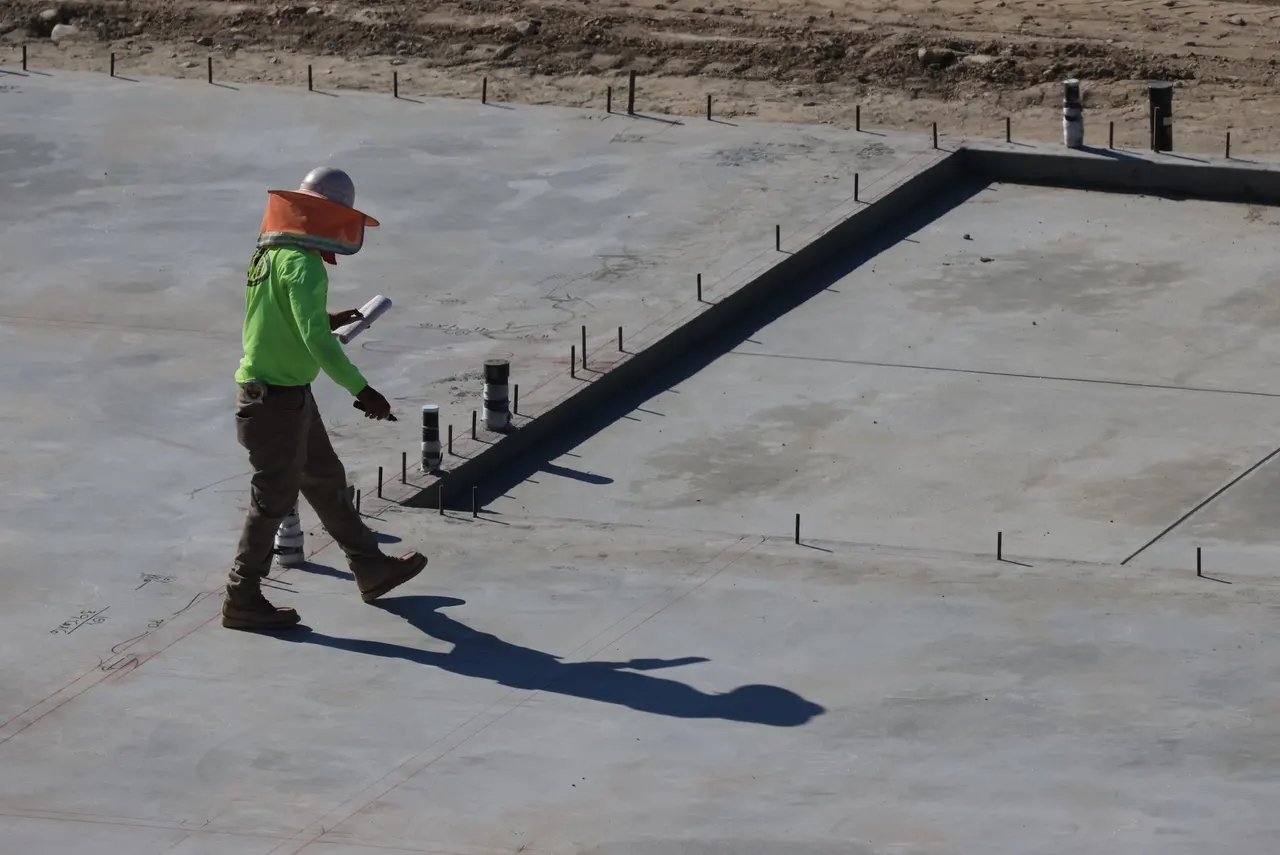
Our technicians carry a California Contractor License (C-36 Plumbing) and work to IAPMO Uniform Plumbing Code (UPC) standards on every job. We run RIDGID, Milwaukee, and Fluke diagnostic gear because it reads accurately on the post-tension slabs common in Laguna Niguel. We have isolated and repaired hot and cold water line leaks, sewer lines, and irrigation crossovers across Orange County, and we know how Laguna Niguel soil and slab construction behave after decades of service. Every repair is pressure-tested and warrantied in writing.
Most foundation slab leak repairs in Laguna Niguel run $1,200 to $4,500 in 2026, with detection alone at $250 to $450. A spot repair on an accessible copper line sits at the low end. Rerouting a line through the attic or replacing a long under-slab run pushes toward the top. Your exact price depends on pipe material, access, and whether flooring needs to come up. We quote flat before we cut.
Yes, and it usually does if left alone for more than a few weeks. Constant moisture under the slab softens the soil, causes uneven settling, and opens cracks in the foundation and interior walls. In Laguna Niguel, where many slabs sit on expansive clay soil, that movement happens faster than homeowners expect. Fixing the pipe stops the water source, but any existing foundation crack from leak damage should be evaluated separately.
The four clearest signs are a water meter spinning with every fixture off, a warm spot on the floor over a hot water line, water seeping through concrete slab or at the baseboard, and a water bill that jumped 50 percent or more with no change in use. A moisture meter reading above 20 percent on a slab edge is another strong indicator. If you see two or more of these, shut off the main and call us.
Detection takes 60 to 120 minutes. A spot repair on an accessible line is typically a one-day job, four to eight hours including concrete patch. A reroute through the attic or walls runs two to three days. Full under-slab replacement with flooring removal can stretch to four or five days. We give you the timeline in writing before we start, and we stick to it.
Not seeing your question? Our local team can help you understand urgency, scheduling and what to expect.
Ask the local team
The parent service behind everything we do. If your leak is under the slab but not in the foundation itself, this is the repair path we follow, with the same detection and pressure-test protocol.
View serviceEvery foundation slab leak repair starts here. Acoustic microphones, thermal imaging, and pressure isolation pinpoint the leak before any concrete is opened. Standalone detection is available if you just need to confirm the source.
View service
Water service line failures and burst hot lines do not wait for morning. We answer 24/7 and dispatch the same crew that handles scheduled work, with the same flat pricing and the same warranty.
View service
When the leaking pipe runs beneath the slab but outside the foundation footprint, we use the same detection gear and either spot-repair or reroute the line to eliminate future access problems.
View service
Reach us at (949) 593-2386 any time, day or night. We answer live, ask the right questions about your water bill and floor symptoms, and dispatch a technician with detection gear. Most calls in Laguna Niguel and the 92677 area get a tech on site the same day.