Focused arrival windows
Useful updates and clear arrival timing.

Slab Leak Pipe Rerouting Laguna Niguel CA gives you a permanent fix without jackhammering your living room floor. If your water meter keeps spinning, a warm spot shows up on the tile, or your bill jumped $80 last month, we run a new line overhead through the attic or walls and cap the old one under the slab. We handle homes and businesses across Orange County, and we test every line before we leave.
Useful updates and clear arrival timing.
Review the approach and price before deciding.
Equipped vehicles and respectful cleanup.
Neighbors serving neighbors with follow-through.
Every reroute job we quote includes the full scope below, so you are not paying extra for detection or cleanup after the fact. If something on your property falls outside this list, we tell you before we start, not after.
Acoustic microphone and thermal imaging to confirm which line failed and where it runs under the slab. This is the step that makes the reroute plan accurate instead of a guess.
Uponor PEX or Type L copper, depending on your home and code requirements, plus all fittings, clamps, and solder needed to complete the run to every fixture the old line served.
We cut and cap the abandoned under-slab line at both ends so no water can enter it again. You get a written note of where those caps are located for future reference.
The new line is pressurized to 100 PSI and held before we close any wall. Every fixture is then opened and run hot and cold to confirm flow and no drips.
We patch the access openings we made in drywall and use concrete patching compound where we touched the slab. Paint and finish texture are on you, but the holes are closed and solid.
We walk the finished job with you, show you what was rerouted, and leave a written summary of the scope, the warranty terms, and what to watch for going forward.
Share what is happening and receive a clear next step from the local team.
Slab Leak Pipe Rerouting Laguna Niguel CA is a plumbing repair method that abandons the failed under-slab line and runs a new supply pipe overhead through the attic, walls, or crawlspace instead. Instead of tearing out concrete to reach a corroded copper line, we cut the old pipe at both ends, cap it, and route fresh PEX tubing or copper to every fixture it served. The slab stays intact, your flooring stays intact, and the leak stops because the water never touches that failed pipe again.
Most of the calls we get come from homes built between 1970 and 1995, where copper under the slab has finally pinhole-leaked after decades of hard Orange County water. We confirm the leak with an acoustic leak detection microphone and a thermal imaging camera before we quote anything. If you have been searching for a slab leak pipe reroute near me Laguna Niguel, we can usually tell you within the first hour whether rerouting is the right call or whether a spot repair makes more sense.
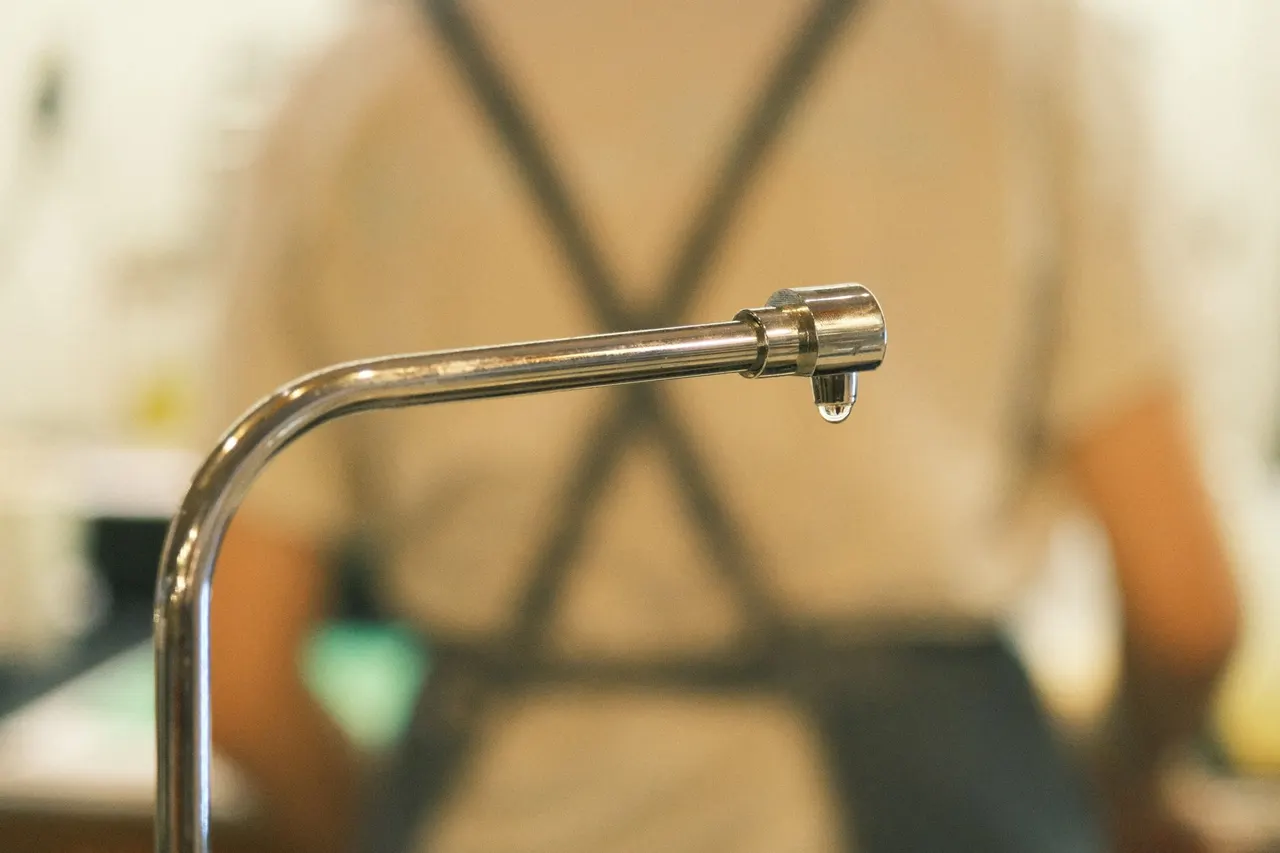
We start with electronic leak detection equipment: an acoustic microphone to hear the leak through the slab and a thermal imaging camera to spot the temperature change. We also check the water meter with everything off. This takes 45 to 90 minutes and tells us exactly which line failed, hot or cold, and where it runs.
We map the new route through the attic or interior walls and identify every fixture the old line served, from the kitchen sink to the guest bathroom. You get one upfront price before we cut anything. We also confirm the pipe material, usually Uponor PEX or Type L copper, and where the new line ties into the main.
We cut the old line at both ends, cap it, and run the new pipe overhead. On a single-story home this is usually a one-day job. Two-story homes with the water heater in the garage can take two to three days, because we are fishing pipe through tighter chases and patching drywall as we go.
Before we close a single wall, we pressurize the new line to 100 PSI and hold it. We then open every fixture the line serves and run hot and cold water at each one. If anything drips, we fix it now, not after the drywall is back up.
We patch drywall openings with concrete patching compound where needed, haul out debris, and walk the job with you. You get a written summary of what was rerouted, where the caps are, and what to watch for. Most jobs are fully buttoned up within 24 hours of the final test.
Listens through the slab to pinpoint the exact leak location before we cut anything. This is how we avoid opening the wrong part of the floor.
Spots temperature differences on the floor surface to confirm hot line leaks and map the pipe route under the slab.
Inspects pipe interior condition so we can tell you honestly whether a spot repair will hold or whether the whole line needs rerouting.
Pressurizes the new line to 100 PSI and holds it before any wall is closed. This is the step that catches a bad fitting before it becomes a callback.
Confirms slab moisture levels before and after the job, so you can see the drying progress in real numbers.
Maps the exact path of under-slab lines so the new overhead route ties into the right fixtures without guesswork.
Used on service line work where we can replace or line a run without a full open trench across your yard.
All reroute work is planned and installed to UPC standards, which is what Orange County inspectors check against. That covers pipe sizing, support spacing, and material selection for the new run.
We use Uponor PEX for most reroutes because it handles the temperature swings in attic runs well and has fewer joints. Type L copper is used where the route or local code calls for it.
Every new line is pressurized and held before we close walls. If it does not hold, we find the issue and fix it while everything is still open.
When a reroute touches the main service line, we install or verify backflow prevention to keep the supply side code-compliant and protect your drinking water.
While we are on site, we check fixtures on the rerouted line for leaks and flow issues. It is a small step that catches problems before they become the next service call.
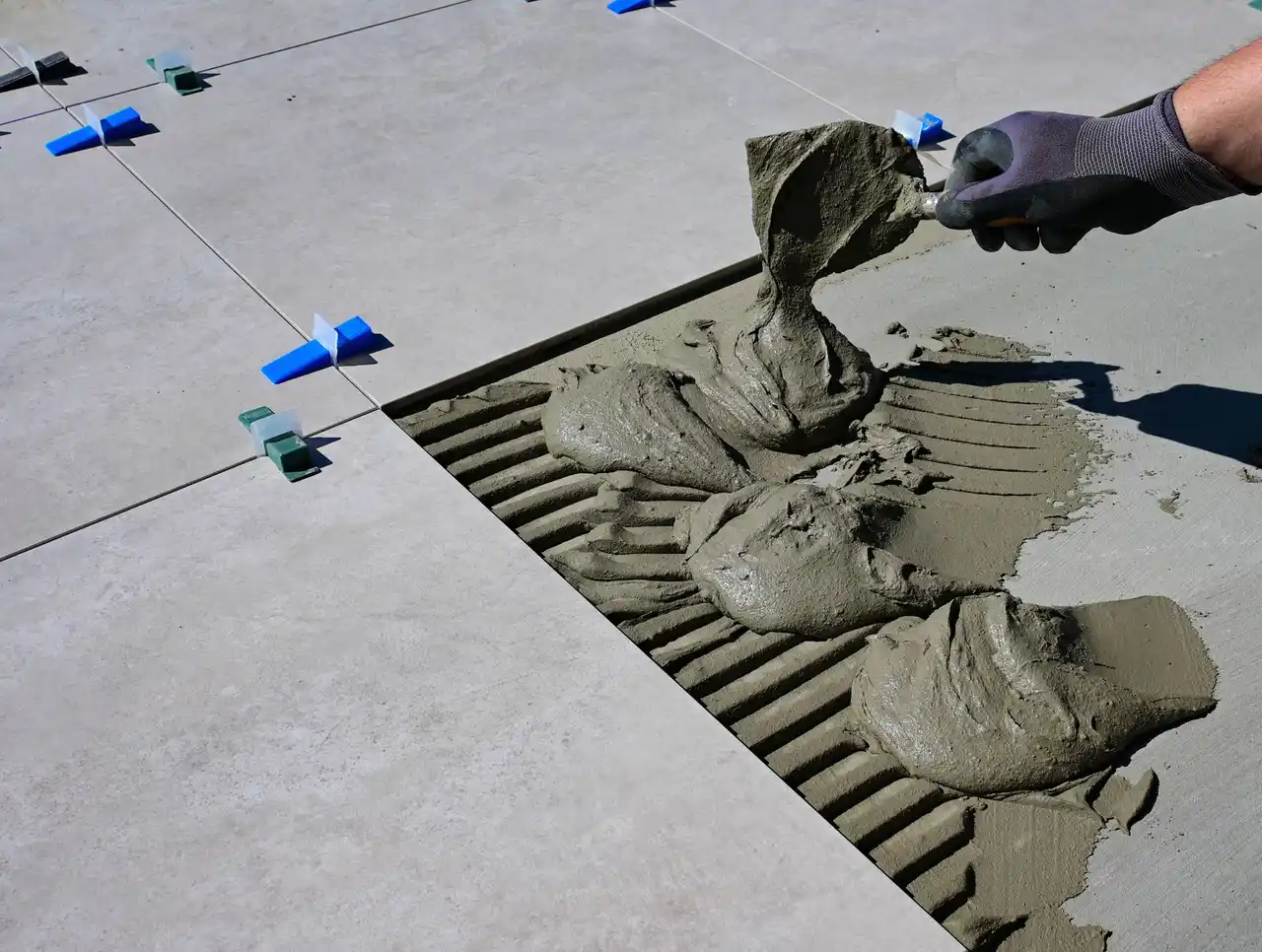
We inspect the full run, confirm the copper is failing along its length, and reroute the line overhead in PEX. The old line is capped at both ends and never sees water again. No more pinhole repairs, no more slab openings, and a water bill that drops back to normal within one billing cycle.
We plan a reroute through the adjacent wall and attic, keeping the tile completely intact. The new line runs above the slab and ties into the existing fixtures from above. Leak fixed, tile untouched, and the job done in one to two days instead of a two-week flooring project.
We fish new PEX through the interior wall chases and attic, capping the old line at the garage and at each upstairs fixture. Drywall access points are patched as we go. Full hot and cold water restored upstairs, pressure-tested at 100 PSI, and the slab left completely undisturbed.
We schedule the reroute as a one-day job, keep water shutoff windows short, and coordinate with the tenant on timing. Drywall patching happens the same day. Tenant stays in the unit, leak is gone, and the owner gets a written warranty and a clean paper trail for the property file.
Laguna Niguel sits on a mix of post-tension and conventional slabs, and the soil under them moves with our dry summers and wet winters. That swing is hard on under-slab copper, which is why so many homes built between 1970 and 1995 are seeing pinhole leaks now. We work with the local building stock every week, from single-story ranch homes near Crown Valley to two-story builds closer to the coast. Attic access varies a lot by neighborhood, and that shapes the reroute route more than anything else. If you are comparing slab leak repair vs pipe rerouting Laguna Niguel CA, the honest answer usually comes down to pipe age and how many pinholes you have already repaired. We quote both options so you can see the numbers side by side.
Mix of 1970s and 1980s single-story homes with conventional slabs. Attic access is usually good, which keeps reroute labor on the lower end.
Larger two-story homes where the water heater often sits in the garage. Reroutes here usually run through interior wall chases and take two to three days.
Established neighborhood with a lot of original copper still in service. We see a steady stream of hot line leaks here, and rerouting is often the cleanest fix.
Homes with tile and hardwood throughout, which makes slab break-out expensive. Rerouting overhead is almost always the better call in this area.
Newer construction with PEX under the slab. When a fitting fails here, we assess whether a targeted repair makes more sense than a full reroute.
Mineral buildup accelerates corrosion inside copper lines, which is why pinhole leaks show up earlier here than in softer-water areas. We factor pipe age and water condition into every reroute recommendation.
Soil movement stresses under-slab pipe joints and can open small cracks over time. Rerouting overhead removes the pipe from that stress cycle entirely.
Cutting into a post-tension slab requires care and often a structural engineer. Rerouting overhead avoids the slab altogether, which is a real advantage on these homes.
The temperature swing between inland and coastal parts of Laguna Niguel affects how much hot water lines expand and contract. PEX handles that movement better than rigid copper in attic runs.
A Laguna Niguel homeowner had repaired two pinhole leaks on the same hot water line in four years. The third one showed up in the hallway, and the water bill had climbed $140 over two months. The floor was warm in a two-foot patch.
We confirmed the leak with thermal imaging and rerouted the full hot line through the attic in PEX. The old copper was capped at both ends. The bill dropped back to its normal range on the next statement, and no floor was opened.
Maintenance: Check the water meter once a month with all fixtures off. If it stays still, the reroute is holding. We also recommend a fixture check every two years on the rerouted line.
A Bear Brand homeowner had a cold line leak under custom tile in the kitchen. Two flooring contractors quoted $9,000 or more to remove and replace the tile if the slab had to be opened. The homeowner wanted another option.
We rerouted the cold line through the wall behind the cabinets and up into the attic, tying into the existing fixtures from above. The tile was never touched. The job took two days, and the pressure test held at 100 PSI on the first try.
Maintenance: Keep an eye on cabinet baseboards for any moisture over the first month. After that, a yearly visual check under the sink is enough.
A property manager in Aliso Viejo had a tenant reporting a warm bathroom floor and a rising water bill. The unit was occupied, and displacing the tenant for a slab break-out was not an option.
We rerouted the hot line feeding the bathroom through the adjacent wall in a single day. Water was back on by 5 p.m., drywall was patched the same evening, and the tenant never had to leave the unit.
Maintenance: We left a written summary of the reroute route and cap locations for the property file. A quick meter check at each lease turnover catches any future issue early.
Most slab leaks announce themselves in one of a handful of ways. If any of these sound familiar, we can confirm the source and tell you whether a reroute is the right fix for your Laguna Niguel home.
This is the clearest sign of an active leak, and every hour it runs adds to your water bill and pushes more water into the soil under your slab. We shut down the suspect line, confirm the leak with acoustic detection, and quote a reroute or repair the same visit. Most customers see the meter stop moving the day we cap the old line.
A warm patch on tile or hardwood usually means a hot water line is leaking under the slab. Left alone, it keeps heating the soil and can accelerate foundation movement. We map the hot line with a thermal imaging camera, confirm the leak point, and reroute the line overhead through the attic or wall so the slab stops getting heated from below.
Visible moisture at the slab edge means the leak has been running long enough to saturate the soil. That is when foundation cracks from leak activity start to show up. We locate the source, stop the water by capping the failed line, and reroute the supply overhead. We also check the slab edge for existing cracks and note anything that needs a foundation specialist.
A $60 to $200 jump with no change in habits is often a pinhole under the slab. It can waste 10,000 to 30,000 gallons a month before you ever see water on the floor. We run a meter test, isolate the hot and cold sides, and pinpoint the leak with electronic detection equipment. If the pipe is too far gone to repair, we quote a reroute with a fixed price.
If you have already repaired one pinhole and a second shows up nearby, the pipe is failing along its length. Chasing pinholes one at a time gets expensive fast. We inspect the full run with a RIDGID SeeSnake camera and give you an honest read on pipe condition. When the pipe is failing, we reroute the whole line and end the cycle.

Our technicians work on slab leaks every week, not once a season. We carry a California Contractor License (C-36 Plumbing) and work to the IAPMO Uniform Plumbing Code (UPC), which is what Orange County inspectors check against. Our trucks carry RIDGID SeeSnake cameras, Fluke moisture meters, and LeakTronics listening discs, so we diagnose on site instead of guessing. We have rerouted lines in 1960s ranch homes in Laguna Niguel, 1980s two-story builds in Mission Viejo, and newer PEX homes in Aliso Viejo where a fitting failed under the slab. That range matters, because the right reroute route is different for every floor plan.
Most residential reroutes in Laguna Niguel run $3,500 to $8,500 in 2026, depending on how many fixtures the line serves and how hard the route is to fish. A single-bathroom reroute on a one-story home sits at the low end. A whole-house reroute with two stories and attic access sits at the high end. That price includes detection, the new line, the pressure test, and basic drywall patching.
For a single pinhole on otherwise healthy pipe, a spot repair can be the cheaper call. For older copper with multiple pinholes or a line that has already been repaired once, rerouting is the better long-term fix. It removes the whole failed section instead of chasing pinholes one at a time. We tell you which one fits your pipe after we inspect it.
A typical one-story home takes one to two days of plumbing work. Two-story homes or jobs with limited attic access run two to three days. Detection adds 45 to 90 minutes at the front end. You are usually back to normal water use the same evening we finish the pressure test, and we patch drywall within 24 hours.
Yes, if the leak is on a supply line, which is the case for most slab leaks we see. We cap the failed line at both ends and run a new one overhead, so no water touches the old pipe again. If the leak turns out to be on a drain line instead, rerouting does not apply and we will tell you that on the spot.
Not seeing your question? Our local team can help you understand urgency, scheduling and what to expect.
Ask the local team
Sometimes a spot repair beats a full reroute, especially on a single pinhole in otherwise solid copper. We quote both options side by side so you can see the real cost difference for your Laguna Niguel home before you decide.
View service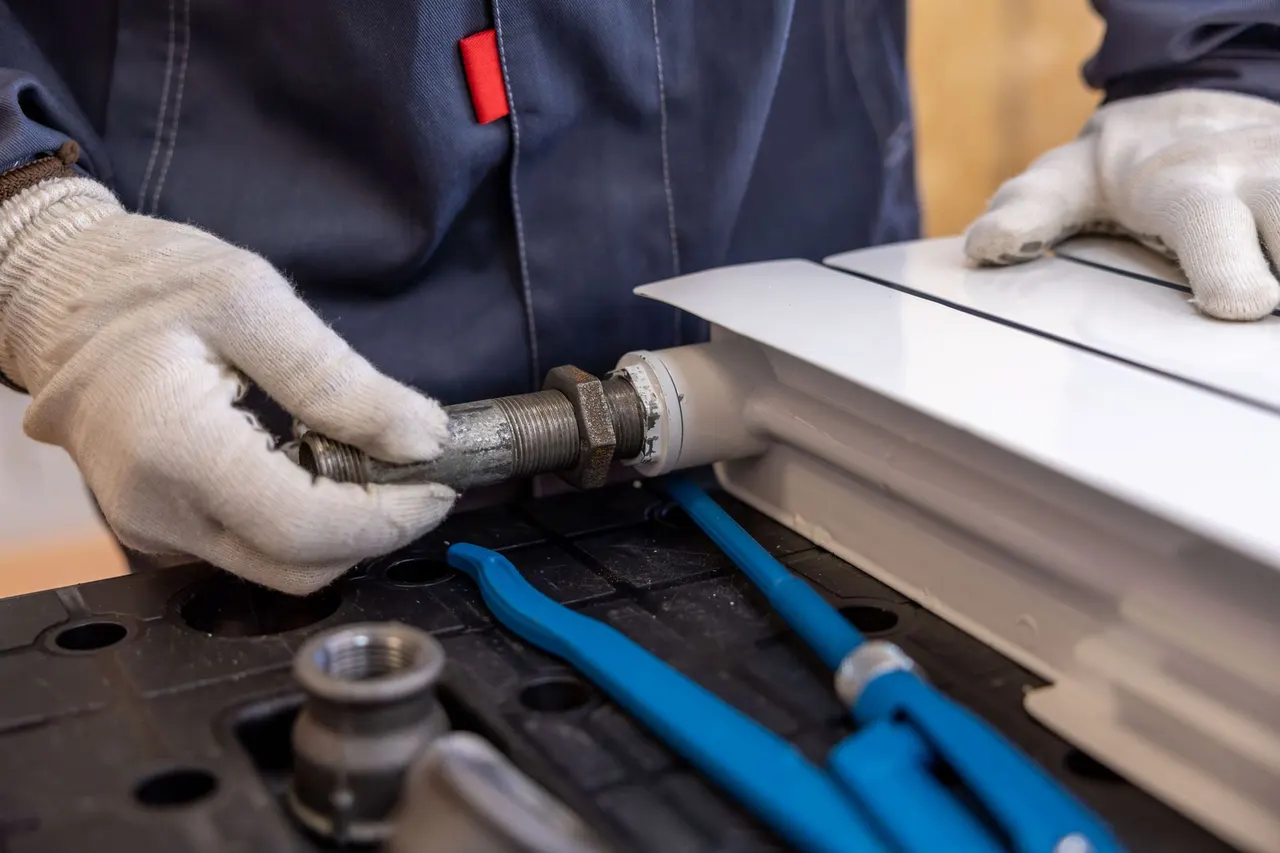
Every reroute starts with detection. We use acoustic microphones and thermal cameras to confirm which line failed and where it runs, so the new route we plan actually solves the problem instead of guessing at it.
View service
If water is actively pooling or your meter will not stop spinning, we run 24/7 emergency dispatch. We can shut down the failed line the same night and schedule the reroute once the emergency is under control.
View service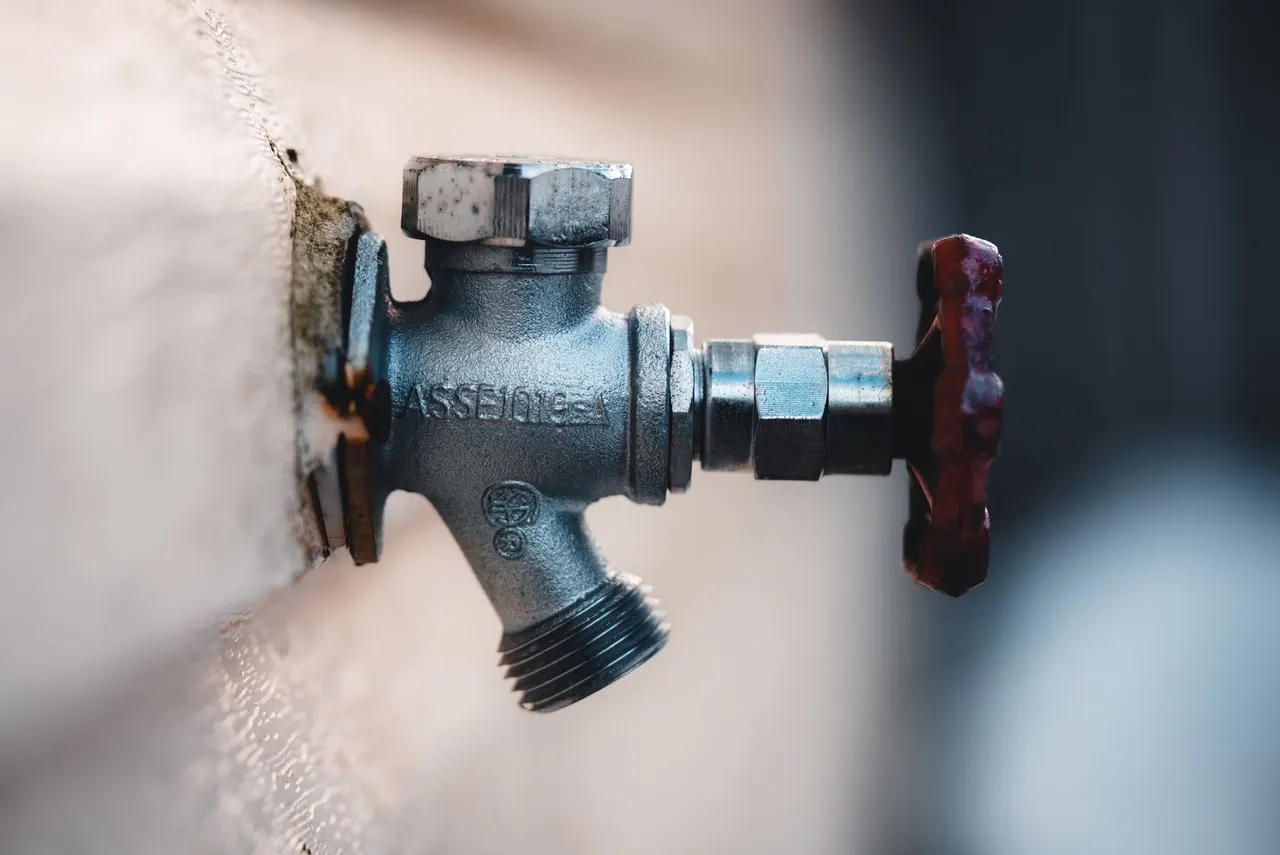
Not every under-slab leak needs a reroute. Small, isolated leaks on accessible sections can sometimes be repaired directly. We assess the pipe condition first and recommend the option that makes financial sense.
View service
Reach us at (949) 593-2386 any time, day or night. We answer live, ask the right questions about your water bill and floor symptoms, and dispatch a technician with detection gear. Most calls in Laguna Niguel and the 92677 area get a tech on site the same day.