Focused arrival windows
Useful updates and clear arrival timing.
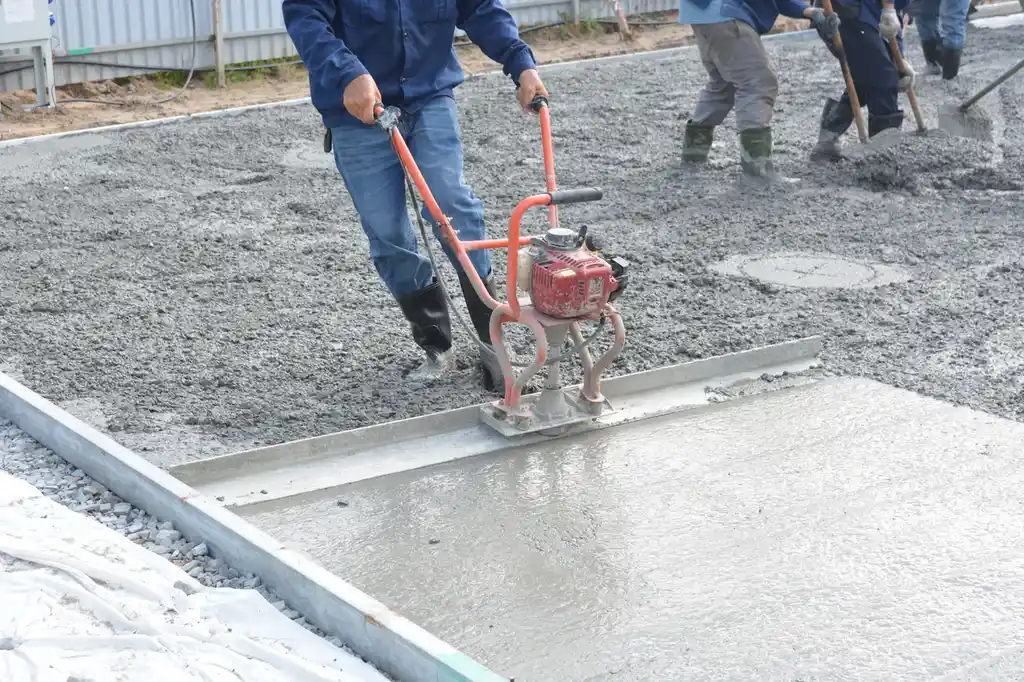
Slab Leak Detection and Repair Laguna Niguel CA starts with finding the exact break under your floor, not guessing. We use acoustic listening discs, thermal imaging, and pressure testing to pinpoint hot or cold water line leaks beneath your slab, then repair the pipe with minimal concrete cutting. If your water bill jumped, your floor feels warm, or your meter keeps spinning, call (949) 593-2386 for same-day slab leak locate and repair in Laguna Niguel.
Useful updates and clear arrival timing.
Review the approach and price before deciding.
Equipped vehicles and respectful cleanup.
Neighbors serving neighbors with follow-through.
Every slab leak job we run in Laguna Niguel covers the full locate-and-fix sequence, from the first pressure test to the final backfill. Flooring replacement, tile matching, and drywall repair after a reroute are separate, and we tell you that before we start so there are no surprises on the invoice.
We isolate the hot and cold systems and pressurize each side with a calibrated pressure gauge. The side that will not hold confirms the under-slab break and tells us which line to chase. This step takes 20 to 30 minutes.
We walk the slab with an acoustic leak detection microphone and a Fluke thermal imaging camera. The microphone hears the escaping water; the camera sees the temperature difference. Cross-referencing both pinpoints the break within a few inches.
We cut one 2x2-foot access patch instead of trenching the room, expose the pipe, and repair it with copper fittings, solder, and pipe clamps, or splice in Uponor PEX. Most spot repairs take two to four hours.
We re-pressurize the repaired line and watch the gauge for 30 minutes while checking the water meter for movement. You see the gauge hold before we close anything. No guessing, no callbacks for the same leak.
We backfill the access patch with concrete patching compound matched to your slab thickness and finish, level the surface, and haul away debris. The site is left clean and ready for flooring.
Every repair carries a written warranty on parts and labor. If the same line fails inside the warranty window, we come back at no charge. You get the warranty in writing before we leave.
Share what is happening and receive a clear next step from the local team.
Slab Leak Detection and Repair Laguna Niguel CA is the process of pinpointing a pressurized water line failure under your concrete foundation, exposing only the damaged section, and restoring the pipe so the slab stays dry. We start with a full pressure test on the hot and cold sides, then confirm the location with an acoustic leak detection microphone and a thermal imaging camera before any concrete is touched. Copper pipe, PEX tubing, and older galvanized lines all fail differently, and the repair method follows the pipe material.
Most Laguna Niguel homes sit on post-tension or conventional slabs built from the 1970s through the 2000s, and the hard local water is rough on copper. A hot water line leak under slab often shows up as a warm spot on the floor or a water heater that never stops running. A cold water line leak under slab usually shows as a spinning water meter and a high water bill. Both get worse with every day you wait, so we treat them as same-day work.
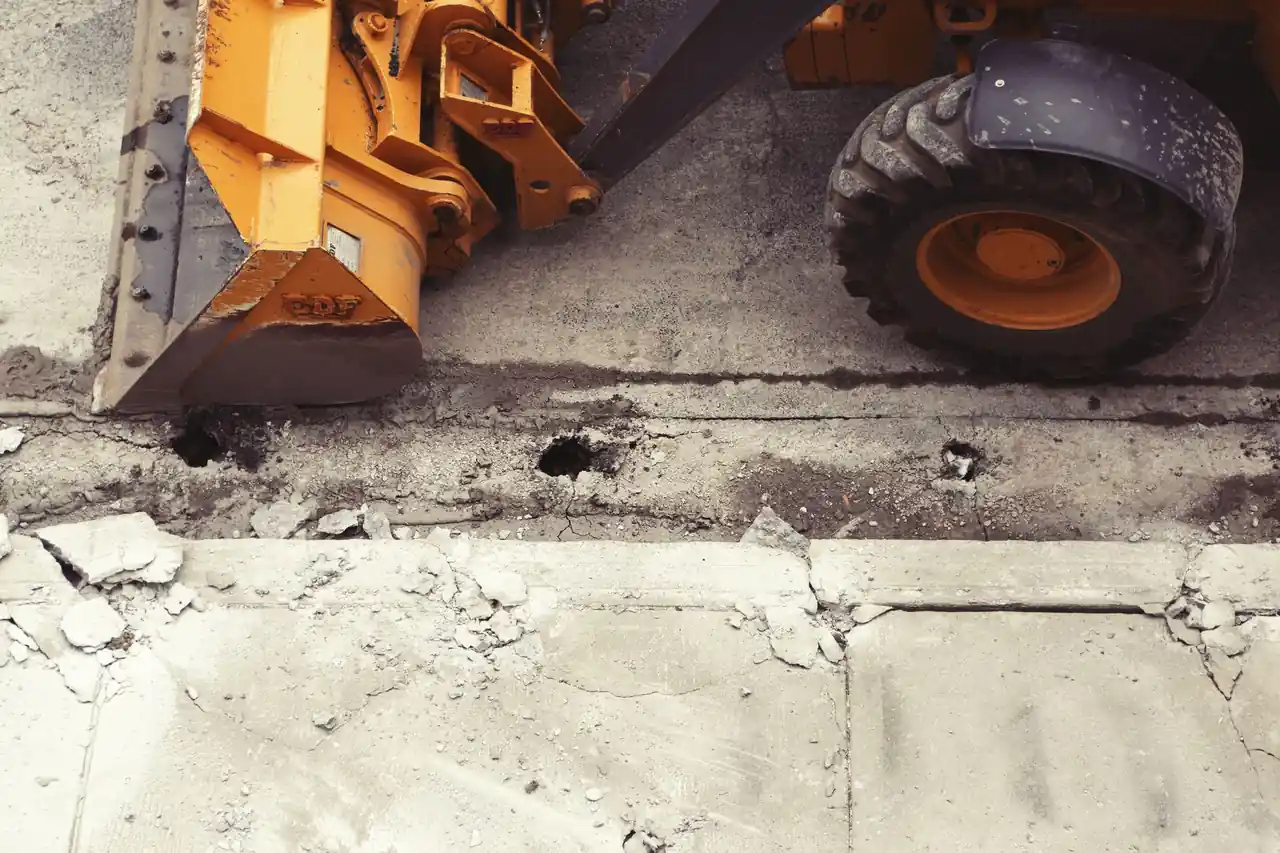
We ask about your water bill, warm spots, meter behavior, and whether the leak is on the hot or cold side. That tells us what equipment to load. Most calls get a same-day window, and emergency slab leak detection and repair Laguna Niguel CA calls get priority after hours.
We shut off the main, isolate the hot and cold systems, and pressurize each side with a calibrated pressure gauge. A side that will not hold pressure confirms an under-slab break. This step takes 20 to 30 minutes and costs nothing extra.
We walk the slab with an acoustic leak detection microphone and a Fluke thermal imaging camera. The microphone hears the hiss of escaping water; the camera sees the temperature difference. Cross-referencing both pinpoints the break within a few inches.
We cut a small access patch, expose the pipe, and repair it with copper fittings, solder, and pipe clamps, or reroute the run in Uponor PEX. Most spot repairs take two to four hours. Reroutes take a full day but skip the slab entirely.
We re-pressurize the line, watch the gauge for 30 minutes, and check the water meter for any movement. Once it holds, we backfill with concrete patching compound, match the floor level, and leave the site clean. You get a written warranty on the repair.
Picks up the hiss of pressurized water escaping a pipe under concrete. We walk the slab in a grid and listen for the loudest point, which is the break.
Shows the temperature difference between the slab and the leaking line. Hot water leaks glow warm; cold leaks read cooler. We use it to confirm the acoustic locate.
Pushes a video pipe inspection camera through the line to see corrosion, joint failure, or a cracked section from the inside before we cut concrete.
Traces the exact path of the under-slab pipe so we know where to cut and where not to. It keeps the access patch small and avoids hitting other lines.
Pressurizes the hot and cold systems separately to confirm which side is leaking and to verify the repair holds before backfill.
Checks the slab for residual moisture after the repair and confirms the concrete is drying. We use both before we call the job done.
A ground-level disc that amplifies the leak sound through concrete. It is the tool that lets us pinpoint the break within a few inches on thick slabs.
We shut the main, isolate the hot and cold systems, and pressurize each side with a calibrated gauge. The side that will not hold is the leaking side. This is the first step on every job and it takes 20 to 30 minutes.
We never trust a single tool. The acoustic microphone hears the leak; the thermal camera sees it. When both point to the same spot, we mark the slab and cut. That double-check is why our access patches stay small.
When the under-slab run is too corroded to patch, we reroute the line overhead through the attic or walls in Uponor PEX tubing. The slab stays untouched, flooring stays intact, and the new line is warrantied.
Every repair follows the IAPMO Uniform Plumbing Code for pipe material, fittings, and backfill. We use code-correct copper fittings, solder, and pipe sealant, and we pressure-test to code before closing the slab.
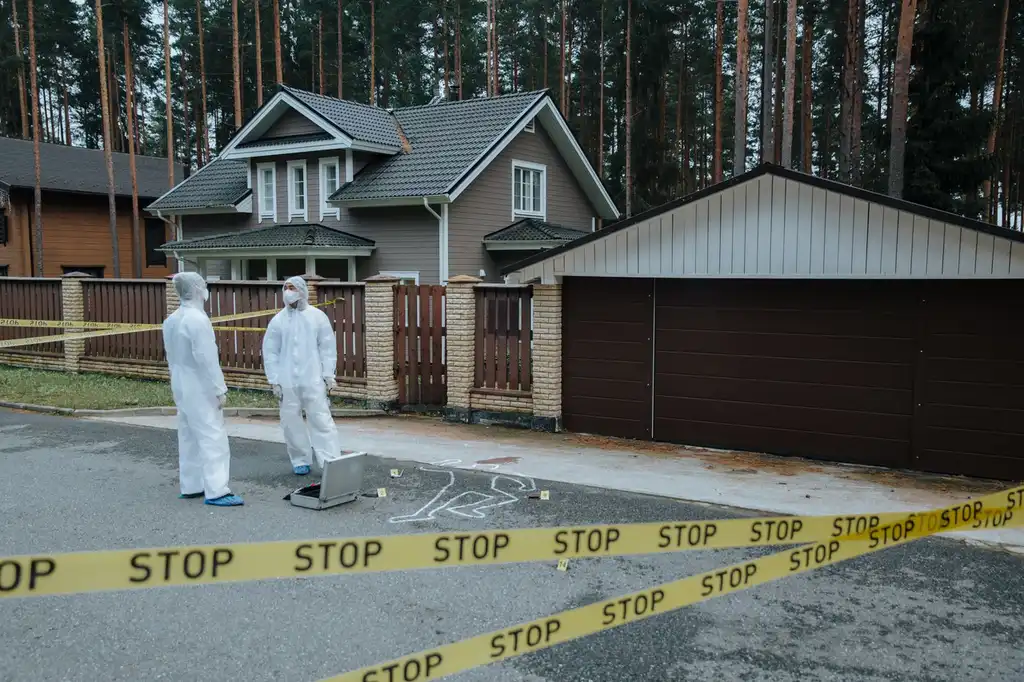
We isolate the hot side, walk the hallway with a thermal imaging camera and acoustic microphone, and mark the break under one tile. We cut a small access patch, replace the failed copper section, and pressure-test before backfill. The warm spot fades within a day, the water heater stops cycling, and the tile is reset without pulling the whole hallway floor.
We dispatch a tech with pressure test gear and a shutoff kit, isolate the leaking line, and stop the flooding the same night. The repair and backfill happen the next morning on a scheduled window. The tenant stays in the unit, the flooring damage is limited to one small area, and the repair is warrantied in writing.
We pressure-test both sides, locate the break, and assess the whole under-slab run for under-slab pipe corrosion. We quote both a spot repair and a full reroute in Uponor PEX so the owner can choose. The owner picks the reroute, the slab is left untouched, and the new PEX line carries a written warranty.
We schedule an after-hours locate and repair, isolate the leaking line, and complete the fix and backfill before the doors open. We coordinate with the property manager on shutdown windows. No lost business hours, no emergency plumbing bill from a franchise, and a documented pressure test on file.
Laguna Niguel sits on hard, mineral-heavy water that is rough on copper pipe, and most of the housing stock went up between the 1970s and the 2000s. That means we see a lot of under-slab pipe corrosion on original copper lines, especially in the older tracts near Crown Valley and La Paz. Post-tension slabs are common too, and those need extra care: cutting a tendon is a structural problem, so we use a SubSurface Instruments pipe locator and RIDGID SeeSnake camera to map the run before any concrete is opened. Summer here pushes water demand up, which makes small leaks show faster on the meter. Winter rain does not freeze the slab, but it does raise soil moisture and can mask a slow leak. If you are searching for slab leak detection and repair for older homes Laguna Niguel CA, that is exactly the work we do most. We pull permits when the code requires it, follow IAPMO Uniform Plumbing Code for the repair, and backfill with concrete patching compound matched to your slab.
Older tracts with original copper lines and post-tension slabs. We map the tendon layout before any access cut to avoid structural damage.
Mix of 1980s and 1990s builds. Hot water line leaks under slab show up here often because the original copper has been through decades of hard water.
Larger homes on conventional slabs. Access patches here usually sit under tile, so we locate precisely before lifting anything.
Close to the coast, so soil moisture swings more. We check the slab with a moisture meter after repair to confirm it is drying.
Newer builds with PEX tubing. PEX leaks are usually at fittings, so we pressure-test and inspect joints before cutting concrete.
Accelerates under-slab pipe corrosion on copper lines. Homes with original copper past 30 years are the most likely to develop pinhole leaks.
Requires tendon mapping before any concrete cut. We use a pipe locator and SeeSnake camera to plan the access patch and avoid the cables.
Higher flow pushes small leaks to show on the meter faster. Most of our summer calls come from a bill jump, not a visible puddle.
Wet winters and dry summers move soil under the slab. That movement stresses pipe joints and can open a leak at a fitting.
A homeowner in Laguna Niguel 92677 had a warm strip on the hallway tile for three weeks and a water heater that ran at odd hours. The water bill had climbed from $110 to $290. Two other plumbers wanted to jackhammer the entire hallway floor.
We isolated the hot side, located the break under one tile with a thermal camera and listening disc, and cut a 2x2-foot access patch. The copper section was replaced, pressure-tested for 30 minutes, and backfilled. The bill dropped back to $115 the next cycle.
Maintenance: We recommended a yearly pressure test on the hot side and a water heater flush to keep the line from cycling. Catching the next pinhole early keeps the access patch small.
A property manager called at 10 p.m. with water coming up through a tenant's slab in Aliso Viejo. The meter was spinning with every fixture off. The tenant had already moved furniture to the garage and was ready to vacate.
We dispatched a tech within the hour, isolated the cold side, and shut the leaking line. The repair and backfill happened the next morning. The tenant stayed in the unit, and the flooring damage was limited to one small area.
Maintenance: We set the property manager up on a quarterly meter check so a slow leak gets caught before it reaches the slab surface again.
A 1980s Mission Viejo home had three separate slab leaks in 18 months, all on original copper. The owner was tired of cutting the floor every time and asked about a permanent fix instead of another spot repair.
We pressure-tested the whole run, confirmed widespread under-slab pipe corrosion, and rerouted the line overhead through the attic in Uponor PEX. The slab was left untouched, no flooring was pulled, and the new line was warrantied.
Maintenance: We suggested an annual pressure test on the new PEX line and a check on the attic run each spring. PEX does not corrode, so the reroute ends the cycle of slab cuts.
Most slab leaks announce themselves before they cause real damage. Here are the four we see most often in Laguna Niguel, and what happens if you wait.
A pinhole under-slab leak can waste 10,000 to 30,000 gallons a month and push a $95 bill past $400. Left alone, the water keeps running under the slab and softens the soil. We pressure-test both sides, locate the break with acoustic and thermal gear, and repair the line the same day. The meter stops spinning the moment the fix is done, and we verify it in front of you.
A hot water line leak under slab heats the concrete above it and keeps the water heater cycling. That burns gas or electricity every hour and shortens the water heater's life. We isolate the hot side, locate the break, and repair or reroute the line in copper or PEX. Once the leak stops, the warm spot fades and the water heater stops running nonstop.
A spinning meter with nothing on means water is moving somewhere it should not. That is usually a cold water line leak under slab or a water service line break before it enters the house. We shut the main, isolate the service line and the cold side, and locate the break with a listening disc and pipe locator. Repair is scheduled the same day whenever access allows.
Water under the slab erodes soil and creates voids, which lets the foundation settle and cracks widen. A $600 pipe repair can turn into a $12,000 foundation job within a season. We locate the leak, stop it, and verify the slab is dry with a moisture meter and infrared thermometer. Catching it early keeps the foundation stable and the repair cost low.
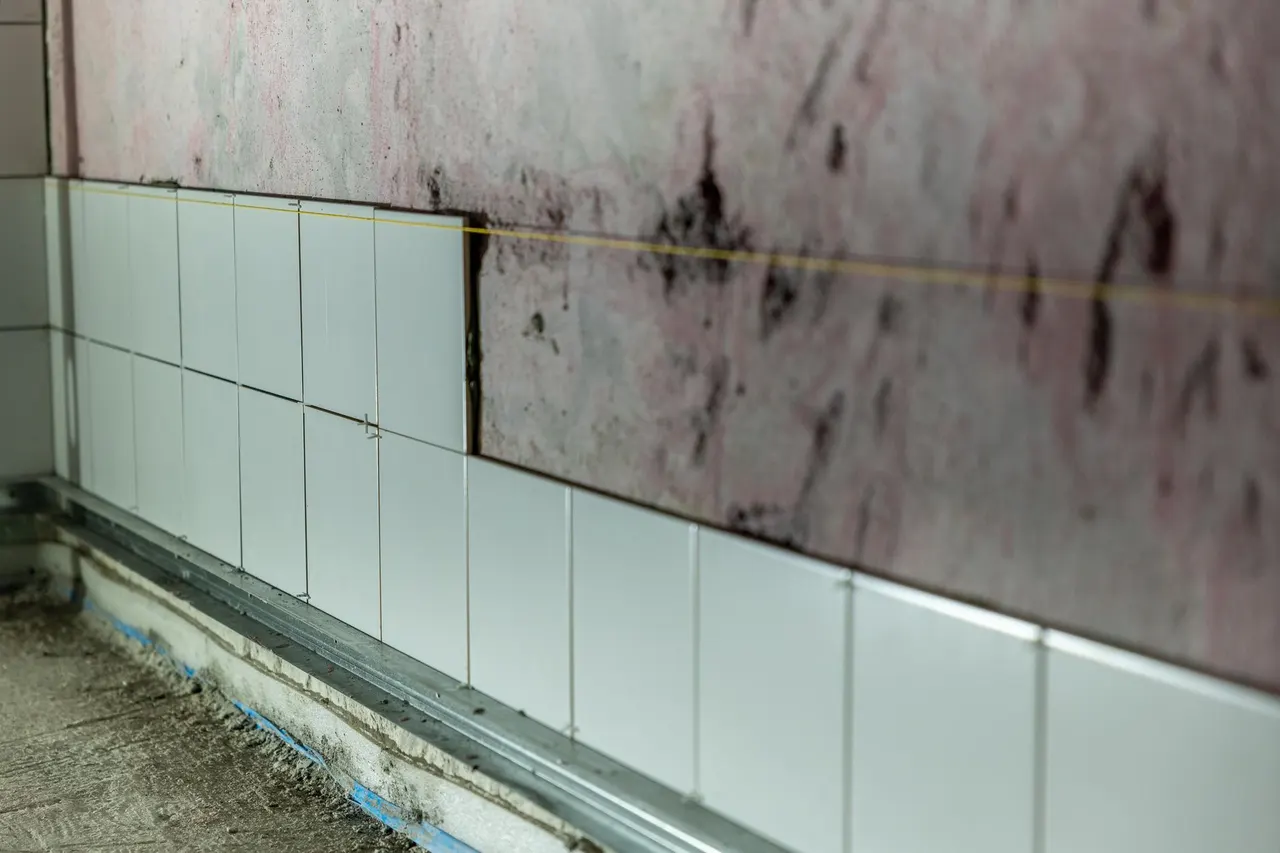
Our technicians are state-licensed plumbing contractors working under California Contractor License C-36 Plumbing rules and the IAPMO Uniform Plumbing Code. We carry Backflow prevention certification and follow OSHA safety standards on every job. We have located and repaired hundreds of under-slab leaks across Orange County, from 1970s copper systems in Laguna Niguel to newer PEX builds in Aliso Viejo. We use RIDGID SeeSnake cameras, LeakTronics listening equipment, and SubSurface Instruments locators because guessing costs you concrete.
Most 2026 jobs in Laguna Niguel run $450 to $2,500 total, with detection alone at $185 to $350 and a spot repair at $600 to $1,800. Reroutes through the attic run higher, usually $1,800 to $4,500, because they involve more pipe and finish work. The exact slab leak detection and repair in Laguna Niguel CA cost depends on pipe material, access, and whether the break is under tile or carpet.
Yes, in most cases. We carry acoustic listening discs, a thermal imaging camera, and pressure test gear on every truck, so detection takes 45 to 90 minutes and a spot repair adds two to four hours. If the break sits under tile or the pipe needs a full reroute, we schedule the repair for the next morning and leave the water shut off overnight.
Every job includes a hot and cold pressure test, acoustic and thermal locating, marking the break point on the slab, a small access cut, pipe repair with copper or PEX, a 30-minute pressure re-test, and concrete patching compound backfill. We also check the water meter before and after. Flooring replacement and tile matching are separate, and we tell you that upfront.
Detection takes 45 to 90 minutes. A spot repair on an accessible copper or PEX line adds two to four hours, so most jobs finish the same day. A full reroute through the attic takes six to ten hours and may run into a second day. Emergency slab leak locate and repair near me Laguna Niguel 24/7 calls get the same timeline once we arrive.
Not seeing your question? Our local team can help you understand urgency, scheduling and what to expect.
Ask the local team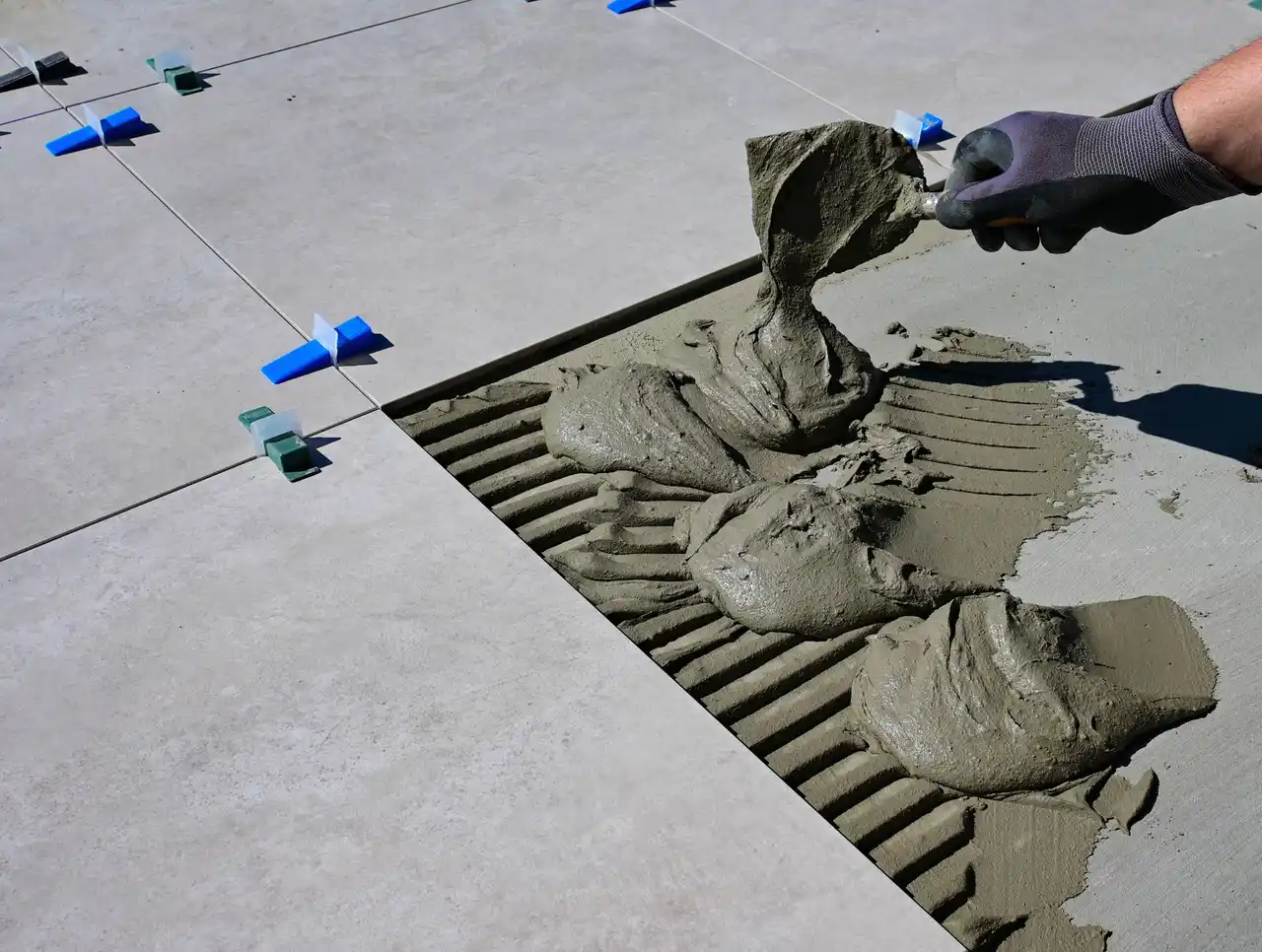
Once we pinpoint the break, slab leak repair covers the actual fix: cutting a small access patch, replacing the failed pipe section, and pressure-testing the line before backfill. Most Laguna Niguel spot repairs finish the same day.
View service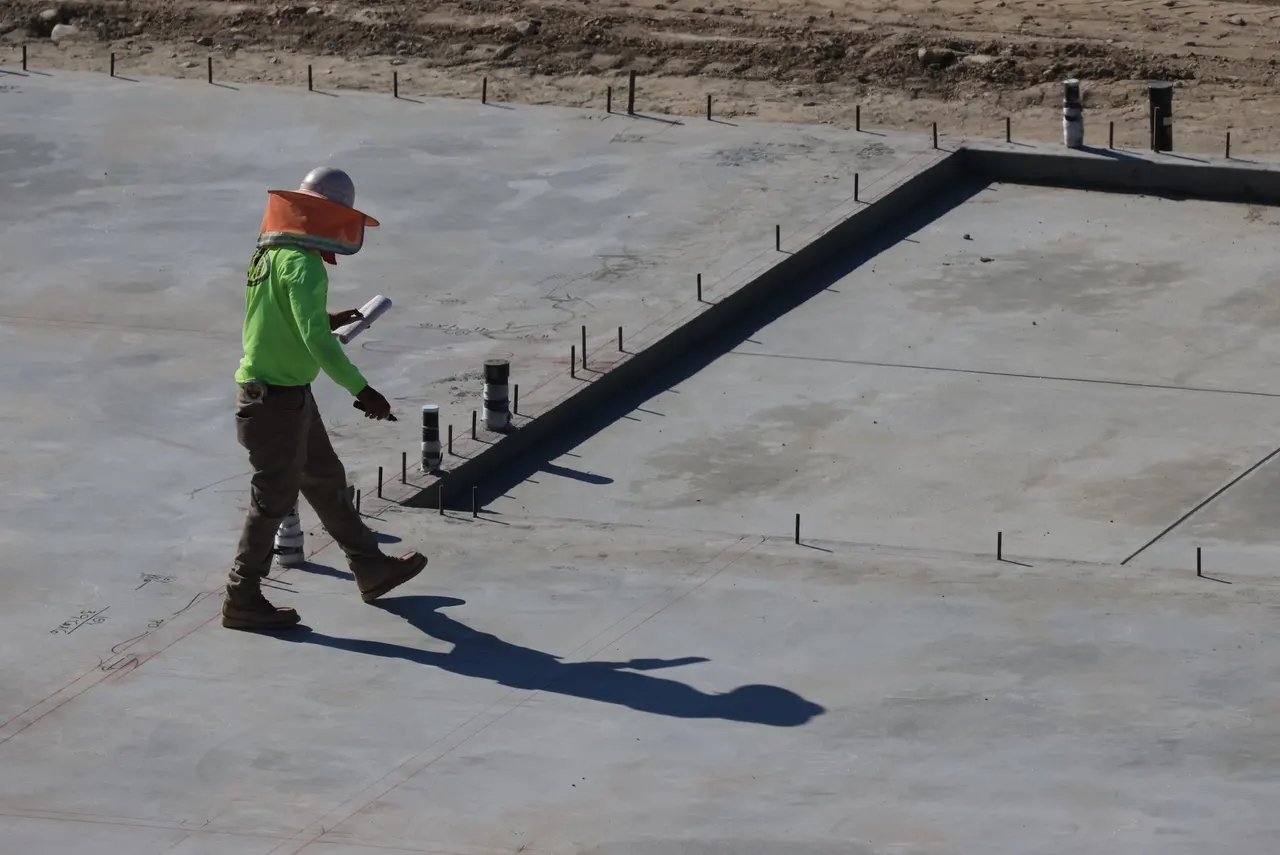
Detection is the locate-only step. We pressure-test both sides, walk the slab with acoustic and thermal gear, and mark the break point. Many homeowners start here before deciding on repair or reroute.
View service
Water pouring under your slab at 2 a.m. needs a fast shutoff and a same-night locate. We run 24/7 emergency calls across Laguna Niguel and can isolate the leaking line so the damage stops before morning.
View serviceUnder-slab leaks sit below the concrete, so the repair has to reach them without trenching the whole room. We cut one small access patch, fix the pipe, and backfill with concrete patching compound matched to your slab.
View service
Reach us at (949) 593-2386 any time, day or night. We answer live, ask the right questions about your water bill and floor symptoms, and dispatch a technician with detection gear. Most calls in Laguna Niguel and the 92677 area get a tech on site the same day.