Focused arrival windows
Useful updates and clear arrival timing.

Slab Leak Repair for Older Homes in Laguna Niguel is built for houses with original copper, cast iron drains, and decades of soil movement under the floor. If your water meter spins with everything off, or a warm spot shows up on the tile, call us at (949) 593-2386. We pinpoint the break with acoustic and thermal gear, then repair it with the least concrete removal possible.
Useful updates and clear arrival timing.
Review the approach and price before deciding.
Equipped vehicles and respectful cleanup.
Neighbors serving neighbors with follow-through.
Every older home slab leak repair in Laguna Niguel includes detection, repair, pressure testing, and concrete patching. We tell you upfront what the job covers so there are no surprises on the invoice. If we find something outside the original scope, we stop and quote it before continuing.
Pressure testing, acoustic listening, and thermal imaging to confirm and pinpoint the leak. This is included on every job, not billed as a separate diagnostic. It is how we keep access cuts small.
We saw-cut the smallest opening that lets us make a proper repair. Most jobs disturb under 4 square feet of slab. We protect surrounding flooring with drop cloths before the saw comes out.
New copper or PEX tubing matched to your existing system, installed to IAPMO Uniform Plumbing Code (UPC) standards. If a reroute is the better answer, we quote it before doing the work.
The repaired line is pressurized to 80 psi and held for 30 minutes. We also confirm the water meter shows zero movement with all fixtures off. If it fails, we fix it before closing.
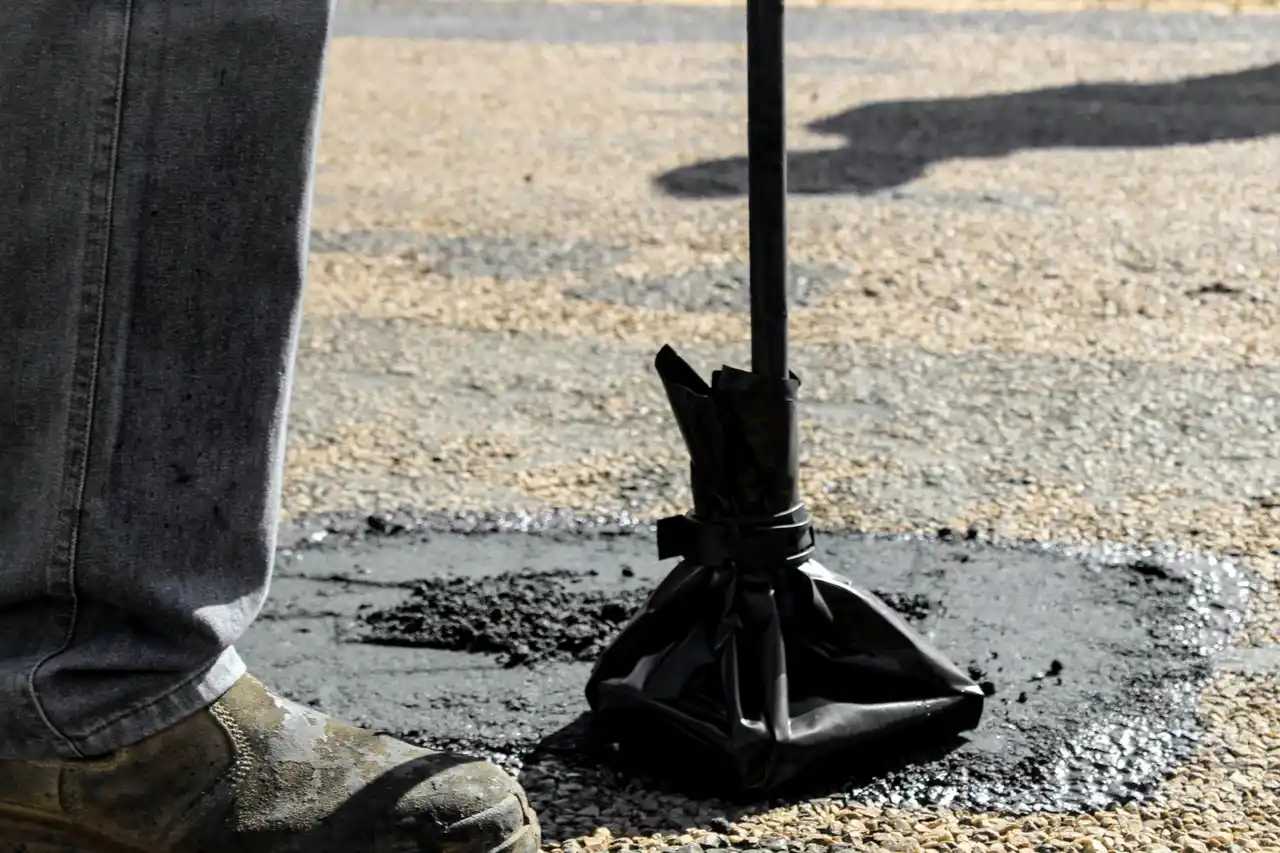
We backfill and apply concrete patching compound matched to your slab. Most patches are ready for flooring within 48 to 72 hours. We leave the area broom-clean.
You get a short written report: what failed, what we replaced, the pressure test result, and what to watch for over the next few months. Useful if you ever sell the home.
Share what is happening and receive a clear next step from the local team.
Slab Leak Repair for Older Homes in Laguna Niguel is the process of locating a pressurized water line failure beneath a concrete floor, exposing the pipe, and restoring it so the line holds pressure again. In Laguna Niguel homes built from the 1960s through the 1980s, that usually means original copper pipe that has thinned from the inside out, or a joint that finally gave up after years of thermal cycling. We start with electronic leak detection equipment and a pressure gauge to confirm the loss, then narrow the exact break point before any concrete comes up.
Older homes here sit on expansive clay and decomposed granite soils that swell in winter and shrink hard by late summer. That movement stresses under-slab pipe at every fitting, which is why we see so many pipe joint failures under slab in this part of Orange County. A hot water line leak under slab shows up as a warm patch on the floor; a cold water line leak under slab shows as a spike in your water bill and a spinning meter. Either way, older home slab leak repair near me in Laguna Niguel is a same-day call for us.
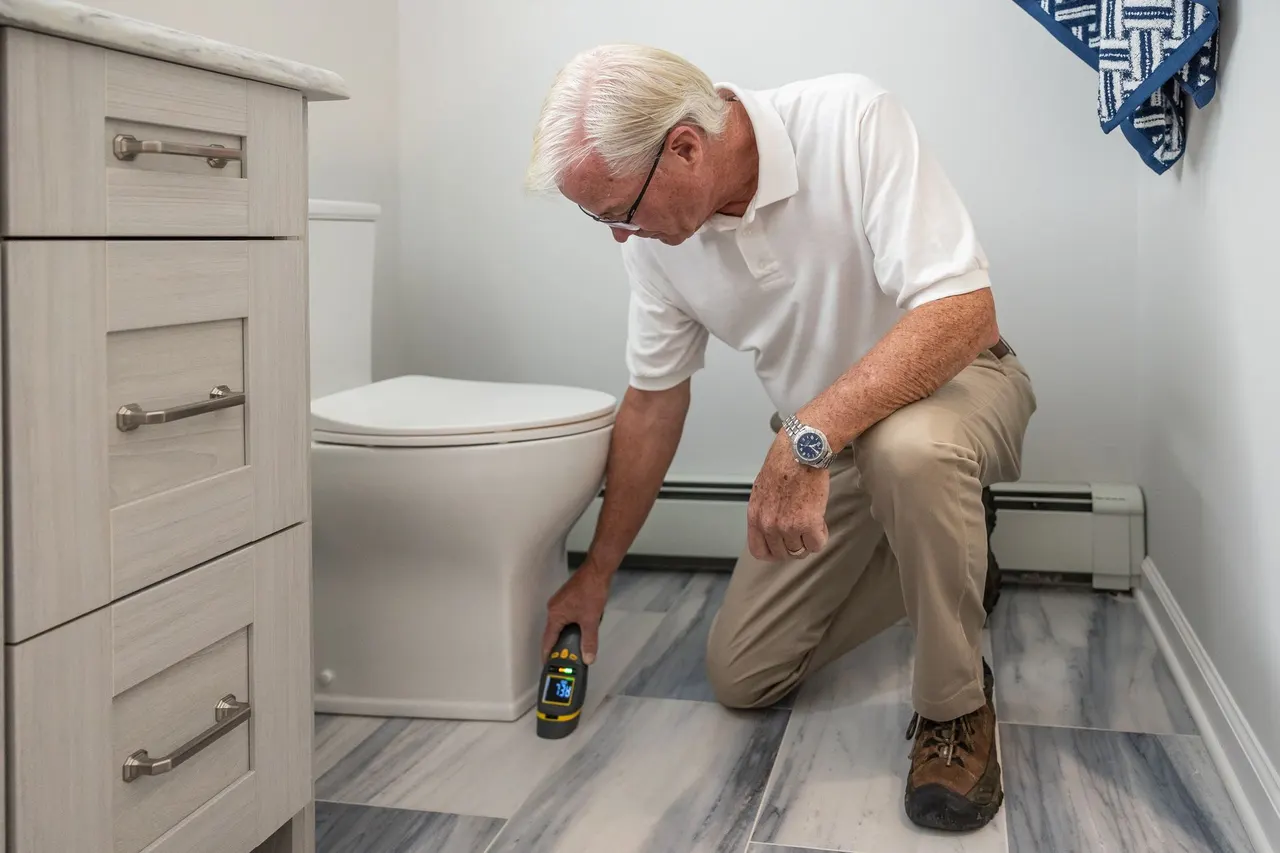
You call (949) 593-2386 and describe what you see: warm floor, high bill, meter spinning. We ask a few questions, give you a rough range, and schedule a same-day or next-morning arrival window. No waiting around all day.
We pressurize the system, then use an acoustic leak detection microphone and a listening disc to hear the break. A thermal imaging camera confirms hot-line leaks, and a pipe locator traces the run so we know exactly where to cut. This takes 45 to 90 minutes.
We saw-cut a tight opening in the slab, remove the failed section, and repair with new copper or transition to PEX tubing where it makes sense. A video pipe inspection camera checks the surrounding run for other weak spots before we close.
The repaired line gets pressurized to 80 psi and held for 30 minutes. If it drops, we find out now, not after the concrete is back. We also recheck the water meter to confirm zero movement with fixtures off.
We backfill, apply concrete patching compound, and leave the area broom-clean. You get a written summary of what failed, what we replaced, and what to watch for. Most patches are ready for flooring within 48 to 72 hours.
Listens for the sound of pressurized water escaping through a pipe break. This is how we narrow the leak to within a few inches before any cutting starts.
Confirms hot water line leaks by showing temperature differences on the floor surface. A warm streak on the tile usually maps directly to the pipe below.
Amplifies and filters sound to isolate the leak from ambient noise. Essential in homes with tile or thick slabs where listening alone is not enough.
Inspects the inside of the pipe after repair to check for corrosion or other weak points. We show you the footage so you know what the rest of the line looks like.
Confirms the leak before we start and verifies the repair after. The moisture meter also tells us how far water has spread under the slab.
Traces the exact path of under-slab pipe so we cut in the right place. Older homes rarely match the original plans, so we map it ourselves.
Lets us reroute or reline pipe with minimal digging. When a reroute is the better answer, this keeps your flooring and landscaping intact.
Every repair is built to UPC standards for pipe material, joint type, and pressure rating. That matters for inspection, resale, and insurance. We document the work so you have a record.
We isolate the hot and cold lines separately and pressurize each to confirm which side is leaking. This prevents us from cutting in the wrong place and keeps the access point small.
When the existing copper is too thin to solder reliably, we transition to Uponor PEX tubing with a proper fitting. PEX handles soil movement better and does not corrode from the inside.
For pipe runs that are structurally sound but pitted, epoxy pipe lining can restore the interior without a full replacement. We recommend it only when the pipe condition supports it.
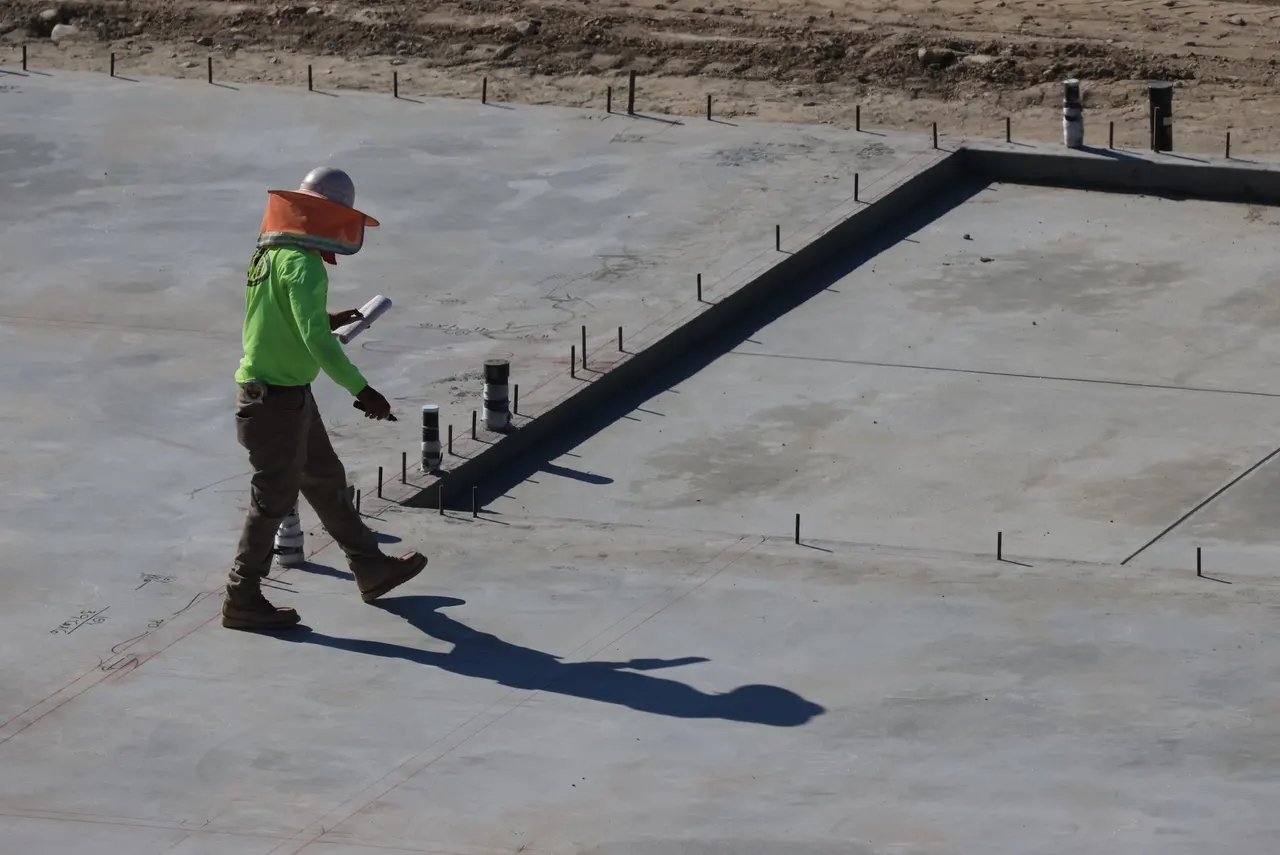
We pressure-test the system, isolate the cold water line, and use acoustic detection to find the failed joint. The repair takes about three hours, plus concrete patching. Water bill returns to normal the next cycle, and the slab is patched and ready for flooring within 72 hours.
Thermal imaging confirms a hot water line leak under slab. We cut a small access point, repair the copper, and pressure-test at 80 psi before closing. Warm spot disappears, hot water pressure returns to normal, and the gas bill drops back to its usual range.
We run a video pipe inspection camera to check the drains, then pressure-test the supply lines. The leak is a cold water line joint. We repair it and check the surrounding run for corrosion. Garage slab dries out, no further seepage, and we give the homeowner a written summary of the pipe condition for future planning.
We run a full slab leak inspection with pressure testing and thermal imaging, then document the findings in writing. If a repair is needed, we complete it before closing. Escrow closes on schedule with a documented, pressure-tested repair and a clean inspection report.
Laguna Niguel sits on expansive clay and decomposed granite, and that soil moves with every wet winter and dry summer. Homes built from the 1960s through the 1980s used thin-wall copper pipe under the slab, and that pipe has now been through 40 or more years of thermal cycling. We see the highest call volume between November and March, when rain saturates the soil and the pressure shifts. Summer brings the opposite problem: soil shrinks, pipe shifts, and joints that were barely holding let go. If you are searching for slab leak repair for older homes in Laguna Niguel CA cost, the honest answer is that most repairs land between $1,200 and $4,500 depending on access and whether we repair or reroute. We work to Orange County building standards and pull permits when the scope requires it.
Many homes here were built in the 1980s with original copper supply lines. We see a lot of hot water line failures under tile in this area.
Larger lots and longer under-slab runs mean leaks can travel further before showing. Acoustic detection is essential here.
Custom homes with varied pipe routing. We map the line before cutting because original plans are often incomplete.
Newer builds but still seeing first-generation copper failures at 25 to 30 years. Pressure testing catches them early.
Hillside homes with slab-on-grade construction. Soil movement is more pronounced, and joint failures are common after wet winters.
Stresses under-slab pipe at every fitting. This is the single biggest driver of slab leaks in older Laguna Niguel homes, and it is why we inspect the surrounding run, not just the failed section.
Thins from the inside as water chemistry and age take their toll. Repairs on this pipe need to account for the rest of the run, which is often close to failing too.
Shows up as warm spots on flooring. Easy to detect with thermal imaging, but the constant expansion and contraction wears joints faster than cold lines.
Accelerates exterior corrosion on copper where it meets soil. We check the transition points at the meter and at slab entry on every job.
Homeowner had a water bill that jumped from $110 to $340 in one month. The meter spun with all fixtures off. Original copper supply line under the hallway slab had a pinhole leak at a joint.
We located the leak with acoustic detection, cut a 3-square-foot access point, replaced the failed section with new copper, and pressure-tested at 80 psi. Total job time was 6 hours. Water bill returned to $115 the next cycle.
Maintenance: We recommended a full-line camera inspection in 12 months to check the rest of the run. Homeowner keeps the written report for resale disclosure.
Warm spot on kitchen tile kept growing. Thermal imaging confirmed a hot water line leak under slab. The surrounding copper showed heavy internal corrosion on camera, so a section repair would have been temporary.
We rerouted the hot line through the attic using Uponor PEX tubing, abandoned the under-slab section, and capped it. No concrete was cut. Job took two days. Hot water pressure improved noticeably.
Maintenance: Homeowner insulates the new attic line before summer. We check the abandoned line at the next annual inspection to confirm no residual moisture.
Called at 10 p.m. with water seeping through the garage slab after a wet winter. Meter was spinning fast. The cold water main under the slab had a joint failure from soil movement.
We isolated the line the same night to stop the water loss, then returned at 7 a.m. to complete the repair. New copper section, pressure-tested at 80 psi, concrete patched. Total cost was $2,400.
Maintenance: We checked the slab with a moisture meter at the 30-day mark. Homeowner monitors the water bill monthly for any change.
Older homes fail in predictable ways. Here are the four calls we get most often in Laguna Niguel, and what happens if you let them sit.
You are paying for water that is going straight into the soil under your slab. A pinhole leak can waste 10,000 gallons a month and soften the soil enough to crack the foundation. We isolate the line, use acoustic detection to find the break, and repair it the same day. Pressure test at 80 psi confirms the fix before we close the slab. Your meter stops spinning the moment we finish.
A hot water line leak under slab heats the concrete from below. Left alone, it warps tile, lifts laminate, and drives up your gas bill as the water heater runs constantly. Thermal imaging confirms the hot line leak in minutes. We cut a tight access point, repair the copper or transition to PEX tubing, and pressure-test. Most warm-spot repairs finish in one day.
Visible moisture means the leak has been running long enough to saturate the soil. That is when foundation cracks from leaks start showing up, and repair costs climb fast. We locate the source with electronic leak detection equipment, repair the pipe, and check the slab with a moisture meter. If the foundation needs attention, we tell you straight.
The leak is under the slab where you cannot see it. By the time it surfaces, you have paid hundreds in extra water and the soil under the foundation is compromised. We pressure-test the system, isolate the leaking line, and pinpoint the break with a listening disc and pipe locator. Repair is usually a one-day job with a small concrete patch.
We work on Laguna Niguel slabs every week, and that matters. Homes here were built in waves from the 1960s through the 1990s, and each era used different pipe, different slab thickness, and different under-slab routing. We know which tracts used thin-wall copper, which ones ran hot lines close to the surface, and where the original shutoffs sit. Our technicians hold California Contractor License (C-36 Plumbing) credentials and work to IAPMO Uniform Plumbing Code (UPC) standards on every repair. We carry RIDGID and Milwaukee press tools, Fluke meters, and LeakTronics listening gear on every truck.
Most older home slab leak repairs in Laguna Niguel run $1,200 to $4,500 in 2026, depending on access, pipe material, and whether we repair or reroute. A straightforward copper repair with a small cut is at the low end. A reroute through the attic or walls, or a repair under tile, pushes toward the high end. We give you a flat price before we start.
Sometimes, yes. If the line can be rerouted overhead through the attic or walls, we can abandon the under-slab section and run new PEX tubing without touching the floor. That works well when the leak is on a branch line and the routing is accessible. For a main line directly under a load-bearing slab, a small cut is usually the right call.
Three things, mostly. Copper pipe thins from the inside as water chemistry and age take their toll. Soil movement from expansive clay stresses joints until they fail. And hot water lines run under slab expand and contract daily, which wears fittings over decades. Homes built before 1990 with original copper are the most common calls we get.
A standard repair is a one-day job, usually 5 to 8 hours from arrival to cleanup. Detection takes 45 to 90 minutes, the repair itself runs 2 to 4 hours, and pressure testing plus patching adds another hour. Reroutes can take two days if we are running new line through the attic and walls.
Not seeing your question? Our local team can help you understand urgency, scheduling and what to expect.
Ask the local team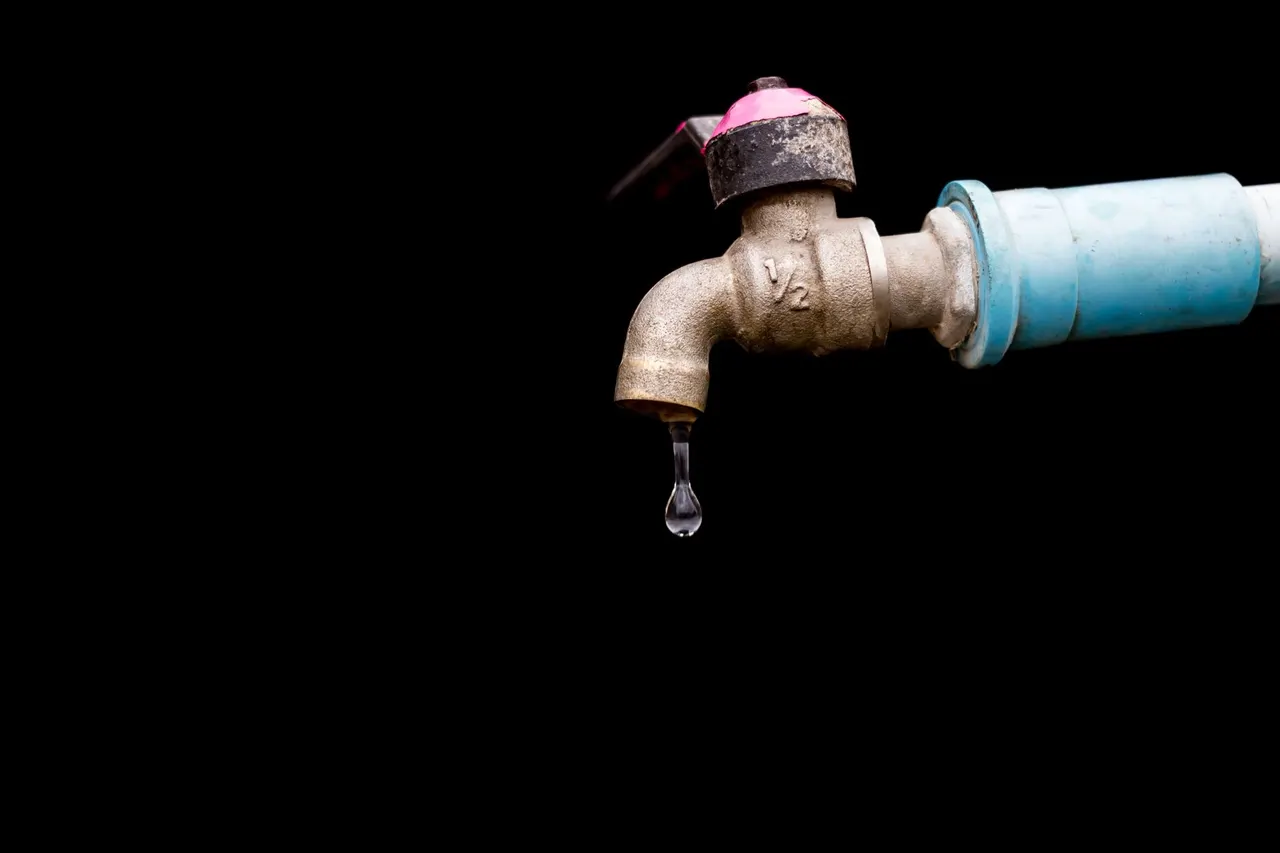
Our core repair service for any under-slab line failure. For older Laguna Niguel homes, we combine it with pipe material assessment so the fix holds for the long run, not just the next rainy season.
View service
Acoustic and thermal detection that pinpoints the break before any concrete comes up. Essential for older homes where pipe routing is not always on the original plans and guessing gets expensive fast.
View service
24/7 response when your meter is spinning and water is pooling. We handle after-hours calls across Laguna Niguel and can often isolate the line the same night to stop the damage.
View serviceDirect repair of the failed pipe section under the slab. We cut a tight access point, replace the damaged copper or transition to PEX, and pressure-test before closing.
View service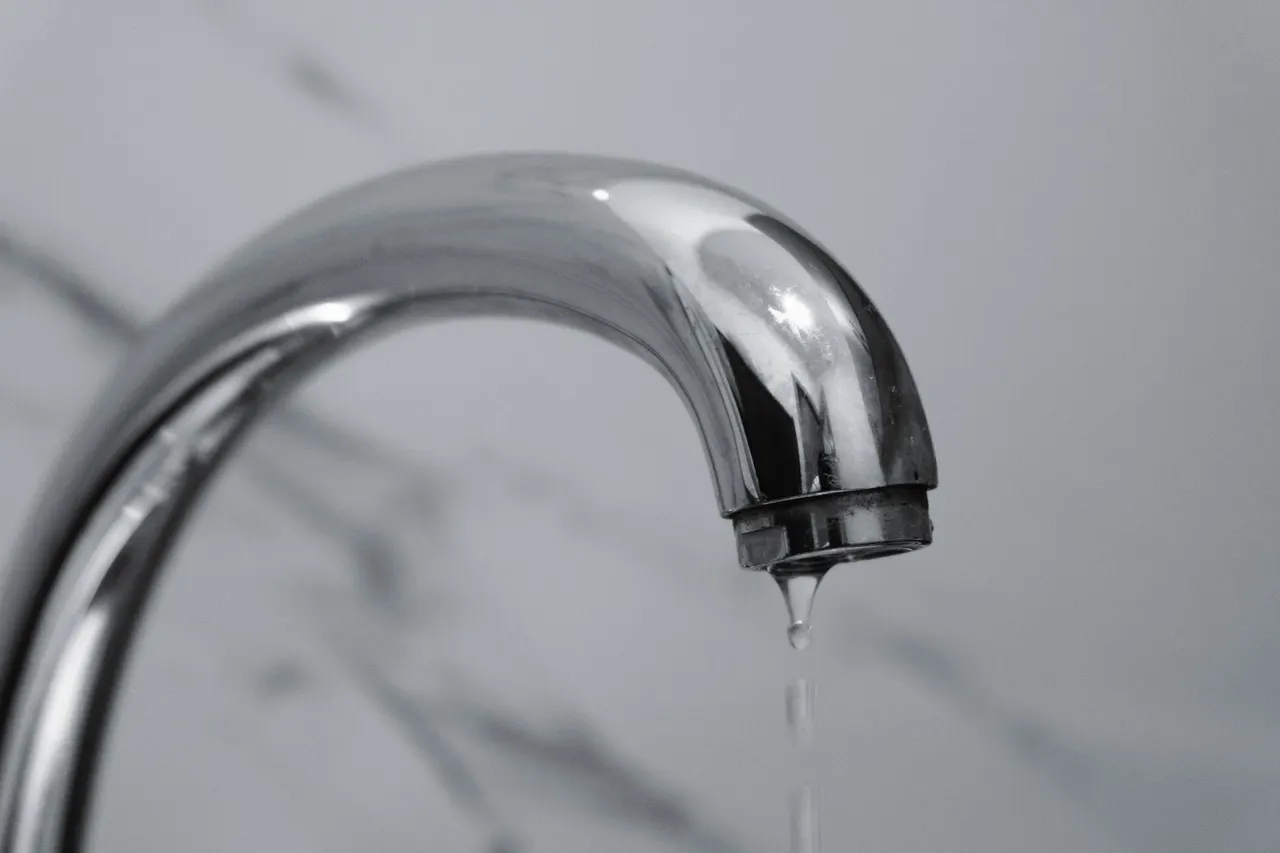
Reach us at (949) 593-2386 any time, day or night. We answer live, ask the right questions about your water bill and floor symptoms, and dispatch a technician with detection gear. Most calls in Laguna Niguel and the 92677 area get a tech on site the same day.