Focused arrival windows
Useful updates and clear arrival timing.
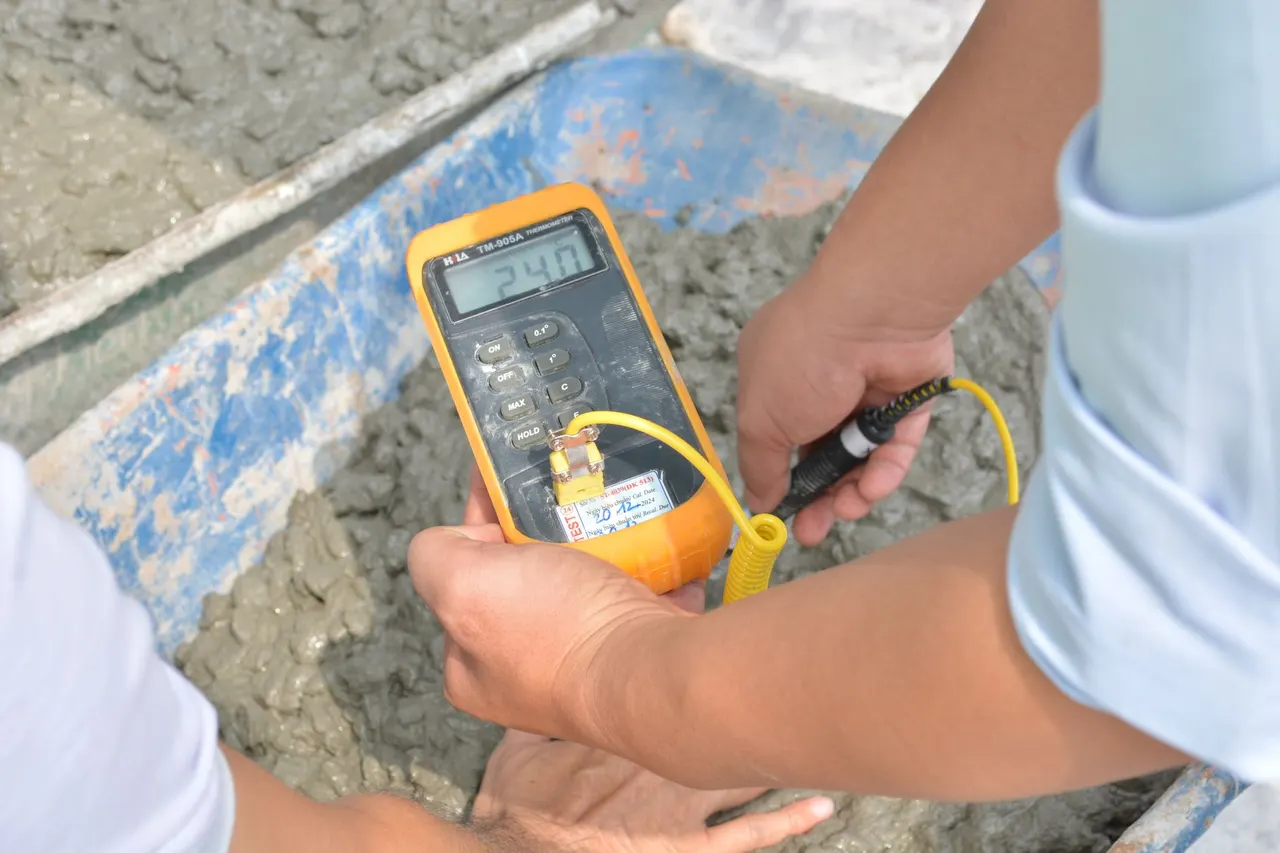
Water Service Line Slab Leak Repair in Laguna Niguel is what we do every day. If your water meter keeps spinning with every fixture off, or a warm spot has spread across the floor, the leak is almost certainly under the slab. We pinpoint it with acoustic and thermal gear, fix the line, and pressure-test before we leave. One call gets a licensed crew to your door.
Useful updates and clear arrival timing.
Review the approach and price before deciding.
Equipped vehicles and respectful cleanup.
Neighbors serving neighbors with follow-through.
Every water service line slab leak repair in Laguna Niguel we perform includes detection, repair, pressure testing, and slab restoration as one package. No surprise add-ons, no separate concrete contractor to schedule. Here's what's covered.
Acoustic microphone, thermal imaging, moisture meter, and pressure isolation to confirm the leak is in the service line and pinpoint the exact spot. Takes 45 to 90 minutes and gives us a target before we cut.
We cut the smallest opening that lets us reach the pipe, typically 18 by 18 inches. Flooring is lifted carefully and set aside for reset. No exploratory demolition, no torn-up rooms.
Copper repairs with new fittings and solder, or full replacement with Uponor PEX tubing or epoxy pipe lining when the run is too corroded to patch. We make the call based on what the camera shows.
80 PSI hold test for 30 minutes before the slab goes back. You get the result in writing plus photos of the repair. This is your proof the fix is solid.
Backfill, concrete patching compound, surface finish, and flooring reset. Tile, travertine, laminate, or engineered wood. We leave the site clean and the floor walkable the same day.
Parts and labor covered on the repair. If the same line leaks again inside the warranty window, we come back at no charge. The warranty document is handed to you at the walkthrough.
Share what is happening and receive a clear next step from the local team.
Water Service Line Slab Leak Repair in Laguna Niguel is the process of locating, exposing, and repairing the pressurized water line that runs beneath your home's concrete foundation, then restoring the slab so the floor looks untouched. The service line carries water from the meter to every fixture in the house, so when it fails under the slab, you get wet carpet, a spinning meter, and a bill that climbs by hundreds of dollars a month. We isolate the line, confirm the breach with an acoustic leak detection microphone and a thermal imaging camera, then repair or reroute the pipe.
Most Laguna Niguel calls we run start with one of three symptoms: a warm spot on a tile floor from a hot water line leak under slab, water seeping through concrete slab near a bathroom wall, or a water meter spinning with nothing running. Homes built in the 1970s and 1980s off Crown Valley and Alicia Parkway often still have original copper pipe, and 40-plus years of Orange County's hard, mineral-heavy water eats pinholes through it. If you're searching for water main slab leak repair near me Laguna Niguel, that's the exact scenario we handle.
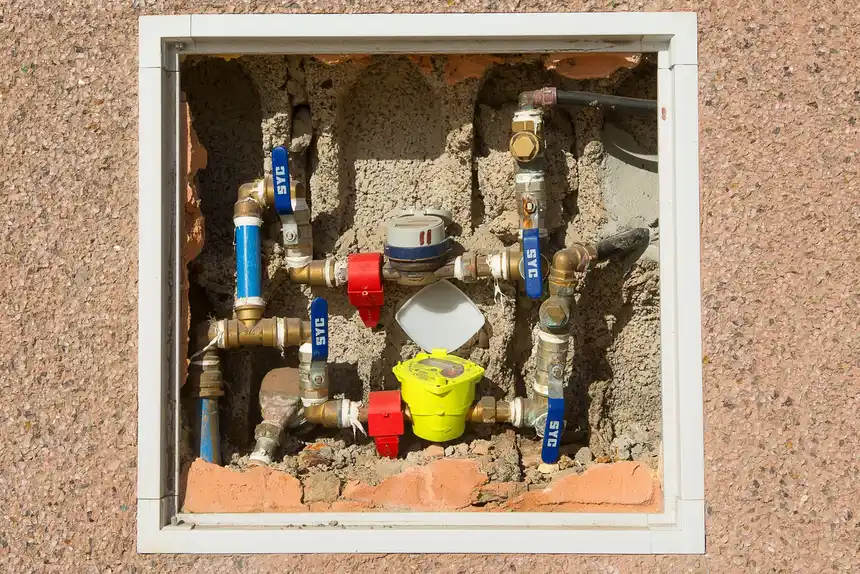
You call (949) 593-2386 and describe what you're seeing: warm floor, spinning meter, water stain, or a bill spike. We ask three or four questions to narrow it down, then dispatch. Emergency calls in Laguna Niguel get a truck rolling within the hour, 24/7, including holidays.
A licensed tech walks the property with an acoustic leak detection microphone, a Fluke thermal imaging camera, and a pressure gauge. We isolate the service line at the meter, watch the dial, and confirm the leak is under the slab, not in the yard or a wall. Detection takes 45 to 90 minutes.
We mark the leak with a pipe locator, cut a targeted opening through the slab, and expose the pipe. Copper gets repaired with fittings and solder; corroded runs get replaced with PEX tubing or epoxy pipe lining. Most repairs take two to five hours once the slab is open.
Before we close anything, we pressurize the repaired line to 80 PSI and hold it for 30 minutes. If the gauge doesn't move, the repair is good. If it drops, we keep working. You get the test result in writing, along with photos of the repair before the concrete goes back.
We backfill with clean sand, pour concrete patching compound matched to the existing slab, and finish the surface. Tile and flooring go back the same day. You get a walkthrough, a warranty document, and a clean site. Most jobs wrap in one visit.
Amplifies the sound of pressurized water escaping a pipe so we can hear the leak through concrete. This is the primary tool for pinpointing the breach within inches.
Maps temperature differences across the slab to find hot water line leaks and cold line moisture plumes. Non-invasive and fast, usually identifies the general area in under 15 minutes.
Pushes through the service line to show us the inside of the pipe. Confirms corrosion, joint failure, and the exact condition of the surrounding run before we decide repair versus reroute.
Professional-grade acoustic and pressure testing gear used across the industry. We run LeakTronics amplifiers and pressure gauges on every job to verify the leak and confirm the repair.
Marks the exact path of the service line under the slab so we know where to cut and where not to. Prevents accidental damage to gas, electrical, or drain lines.
Concrete saws, hammer drills, and pipe cutters sized for slab access. Clean cuts mean cleaner patches and faster restoration.
Confirms slab moisture levels before and after repair. We use readings to verify the slab is dry before patching and to document the before/after for your records.
We never trust a single instrument. Every leak gets confirmed with at least two methods: acoustic microphone plus thermal imaging, or pressure isolation plus moisture meter. Cross-confirmation is what makes a targeted 18-inch cut possible instead of exploratory demolition.
We shut off the service line at the meter, isolate sections, and watch the pressure gauge. A drop tells us which run is leaking. This is how we rule out yard leaks, irrigation, and interior fixture problems before we commit to a slab repair.
When the existing copper is too corroded to patch reliably, we reroute the line overhead or through walls using Uponor PEX tubing. No jackhammering across the living room, and the new line won't corrode the way the old one did.
For serviceable runs with moderate corrosion, we pull an epoxy pipe lining through the existing pipe. It seals pinholes and joint failures from the inside and extends the life of the line by decades. Less invasive than full replacement.
Every repair is done to IAPMO Uniform Plumbing Code (UPC) standards, including proper fittings, solder, and pressure testing. We pull permits when required by Orange County and coordinate inspections so your repair is fully documented.
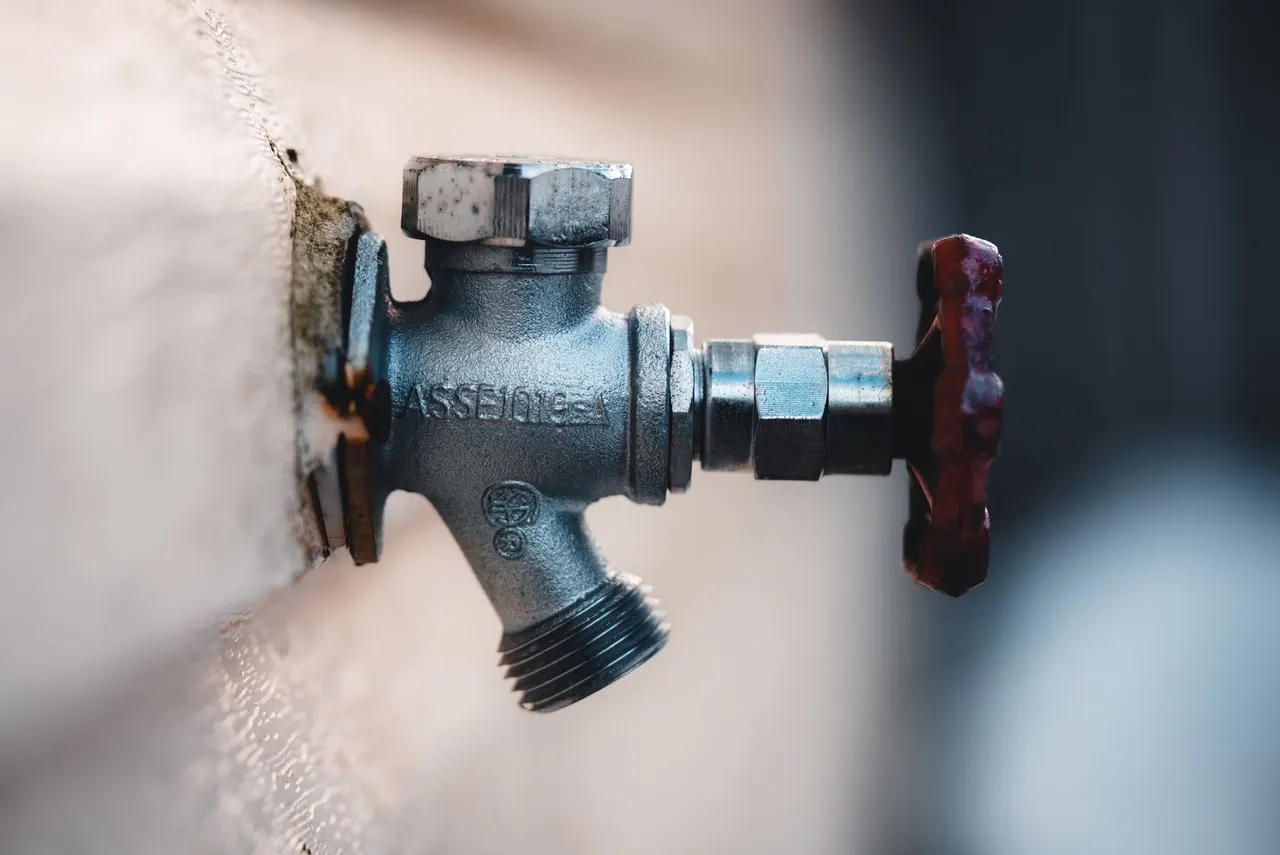
We run a full detection visit, isolate the service line at the meter, and confirm whether the loss is under the slab or in the yard. If it's under the slab, we quote the repair flat-rate and schedule it, often same day. You know exactly where the leak is and what it costs to fix before any concrete gets cut. Most repairs finish in one visit.
We dispatch an emergency truck within 60 minutes. The tech shuts off the supply if needed, detects the source, and either repairs on the spot or stabilizes the situation until a full repair can be done. Water stops spreading, damage is contained, and you're not dealing with a flooded house at midnight. Full repair usually happens the same night or first thing next morning.
We run a pre-purchase slab leak inspection with moisture meter, thermal camera, and pressure isolation. You get a written report with readings and photos that tells you whether there's an active leak or just historical moisture. You negotiate from a position of knowledge, or you walk away from a problem house. Either way, no surprises after closing.
We confirm a hot water line leak under slab with thermal imaging, isolate the line, and repair it. Tile gets lifted cleanly and reset the same day. Pressure test before the slab goes back. Warm spot gone, gas bill back to normal, and the floor looks untouched. Most hot line repairs finish in under four hours of work.
We schedule around the tenant, detect the leak, and repair it with minimal disruption. Flat-rate quote goes to you before work starts, and the invoice matches. Written warranty covers the repair. Tenant stays put, no vacancy loss, and the problem is documented for your records. Most rental slab repairs finish in one visit.
Laguna Niguel sits on a mix of clay-heavy soil and decomposed granite, and that matters for slab leaks. Clay holds water against the foundation after a leak starts, which accelerates corrosion on the outside of copper pipe. Homes built between 1965 and 1990, which is most of the housing stock off Crown Valley, Alicia, and Niguel Road, often still have original copper service lines. Forty-plus years of hard Orange County water and thermal cycling from hot water lines has left a lot of that pipe at the end of its service life. When we run water service line slab leak detection Laguna Niguel CA jobs, we usually find the failure at a joint or a pinhole on the hot side first. Summer here doesn't freeze pipes, but the ground dries and shrinks, which shifts soil around the slab and stresses buried lines. Winter rain then saturates that same soil and pushes it back against the foundation. That seasonal cycle is why we see a spike in slab leak calls every fall and spring. If you're searching for how to fix a water service line leak under slab in Laguna Niguel, the answer is always the same: detect first, repair precisely, pressure-test, and restore. We do all four in one visit.
Mix of 1970s ranch homes with original copper service lines. Most common repair here is a pinhole on the hot water side near the kitchen or main bath.
Newer builds with PEX and CPVC, but we still see joint failures from installation stress. Detection is faster here because the pipe layout is more predictable.
Two-story homes with service lines running under tiled first floors. Tile lifting and reset is a common part of the job in this area.
Older single-story homes with slab-on-grade construction. Clay soil here holds moisture longer, so leaks tend to cause visible slab staining faster.
Larger custom homes with longer service line runs. Reroutes with PEX are more common here because the runs are longer and copper corrosion is more widespread.
Scales the inside of copper pipe and accelerates pinhole corrosion. Homes on original 1970s copper are the most affected, and repairs often reveal multiple weak points in the same run.
Keeps water in contact with the pipe exterior after a leak starts, speeding up corrosion from the outside. Also makes slab staining and moisture wicking more visible sooner.
Dry summers shrink soil away from the slab; winter rains push it back. This cycle stresses buried lines and is why we see more slab leak calls in fall and spring.
No crawlspace means no easy access. Every repair requires detection accuracy and a targeted cut. This is why we invest in acoustic and thermal gear rather than guessing.
Homeowner in the Niguel Road area had a water bill jump from $110 to $430 in one cycle. Meter spun with every fixture off. Two other plumbers had quoted full repiping without confirming the leak location.
We detected a pinhole in the copper service line under the hallway with acoustic and thermal gear. Cut one 18-inch access hole, repaired the section with new fittings and solder, pressure-tested to 80 PSI, and patched the slab. Total job: six hours. Water bill returned to baseline the next cycle.
Maintenance: We recommended a full service line camera inspection every three years to catch other weak points before they fail. Homeowner now checks the meter monthly as an early warning.
Warm spot on the kitchen tile had been growing for three weeks. Gas bill was up 40 percent. Homeowner was told by another company that the whole kitchen floor would need to come up.
Thermal imaging confirmed a hot water line leak under slab within 20 minutes. We lifted six tiles cleanly along grout lines, cut a small access opening, repaired the copper, and pressure-tested. Tiles reset the same day. Total job: four and a half hours. Warm spot gone by evening.
Maintenance: We suggested an infrared thermometer check on the floor every few months to catch any new hot spots early. Homeowner keeps spare tile on hand in case future work is needed.
Property manager in Laguna Hills reported a damp spot on a bedroom slab in a duplex. Moisture had been visible for weeks and was starting to wick up the baseboard. Tenant was concerned about mold.
Detection confirmed a cold water line leak under slab. The existing copper was too corroded to patch reliably, so we rerouted with Uponor PEX through the attic. No second slab cut needed. Baseboard dried out, slab patched, tenant back to normal in one day. Flat-rate quote matched invoice exactly.
Maintenance: We documented the new PEX route on a diagram for the property file. Manager now runs a meter check on all units quarterly to catch leaks early.
Under-slab leaks show up in a handful of predictable ways. If any of these sound familiar, you're not imagining it, and you don't need to live with it. Here's what we fix and why it matters.
You're paying for water that's soaking into the soil under your foundation. Left alone, that water erodes the soil, causes settlement, and can crack the slab within a season. We isolate the service line at the meter, confirm the leak with acoustic and thermal gear, and repair or reroute the failed section. The meter stops spinning the same day, and your next bill reflects it.
A hot water line leak under slab radiates heat through the concrete. It also drives up your gas bill and can warp wood flooring or crack tile from thermal expansion. We isolate the hot line, pinpoint the breach with a thermal imaging camera, and repair it. Most hot line repairs finish in under four hours, and the floor returns to normal temperature within a day.
Visible moisture on the slab means the leak has been running long enough to saturate the soil and wick up through the concrete. Baseboards, drywall, and carpet are next. We find the source, stop the water, and dry the cavity before patching. If the surrounding pipe is compromised, we reroute with PEX to prevent a repeat. Slab and flooring get restored the same visit.
A pinhole leak under the slab can waste 10,000 to 30,000 gallons a month. Over a year, that's thousands of dollars down the drain and a real risk of foundation damage. We run a full detection visit, confirm the leak location, and quote the repair flat-rate. Most customers see their bill return to baseline within one billing cycle after the fix.
Moisture under the slab softens soil and causes differential settlement. Cracks widen, doors stick, and repair costs climb fast once structural damage sets in. We stop the water first, then assess the crack. If structural repair is needed, we coordinate it. Catching this early is the difference between a $2,000 fix and a $15,000 foundation job.
Our techs hold California Contractor License (C-36 Plumbing) credentials and work to IAPMO Uniform Plumbing Code (UPC) standards on every job. We carry Backflow prevention certification and OSHA safety certification, and we run LeakTronics and SubSurface Instruments detection gear because guessing costs homeowners thousands. We've opened slabs in Laguna Niguel homes built from the 1960s through the 2020s, from single-story ranch plans near Niguel Road to two-story builds off Golden Lantern. We know how this city's soil, water chemistry, and slab construction behave, and we price the job before we cut.
Most water service line slab leak repair in Laguna Niguel CA cost between $1,200 and $4,800 in 2026, depending on access difficulty, pipe material, and whether we repair or reroute. Detection alone runs $250 to $450. A straightforward copper repair with a small slab cut sits near the low end; a full PEX reroute through a tiled floor pushes toward the top. We quote flat-rate before we start.
Sometimes yes. If the leak is in a yard-side run or accessible through a garage or exterior wall, we can often repair or reroute with zero interior floor damage. When the breach is directly under living space, we cut a targeted 18-by-18-inch access opening, lift the flooring cleanly, and reset it the same day. Full trenchless reroutes with epoxy pipe lining are also an option when the pipe is too far gone to patch.
Four signs point to a slab leak: a water meter spinning with every fixture off, a warm spot on the floor from a hot water line leak under slab, water seeping through concrete slab near a wall or baseboard, and a water bill that jumped 50 percent or more with no change in usage. Any one of these warrants a detection visit. Two or more means call today, not next week.
A typical repair takes four to eight hours from arrival to slab patched. Detection runs 45 to 90 minutes, access and repair two to five hours, pressure testing 30 minutes, and slab restoration another hour. Complex reroutes through tiled floors can stretch to a full day. We give you a realistic window on the phone and update you if anything changes.
Not seeing your question? Our local team can help you understand urgency, scheduling and what to expect.
Ask the local team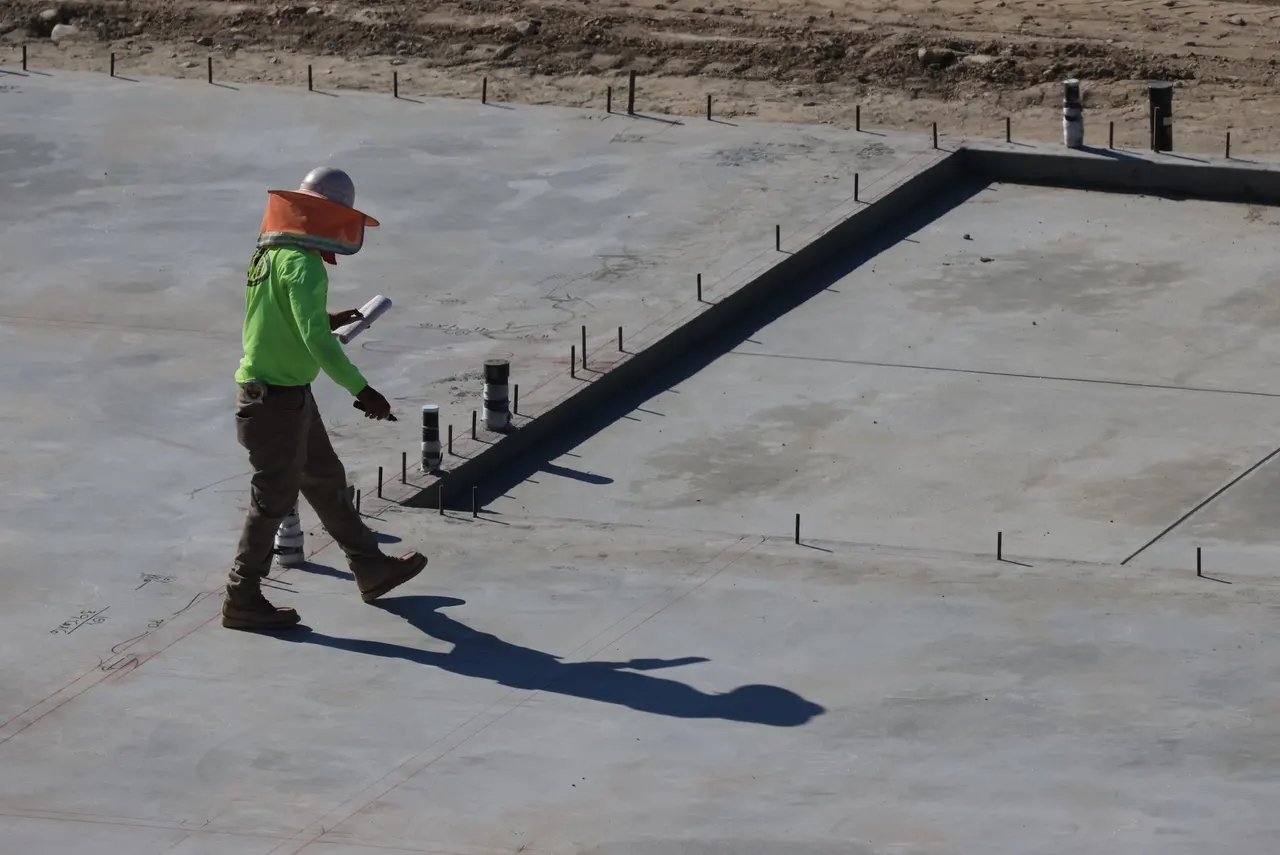
Our core service for any under-slab pipe failure in Laguna Niguel. If detection confirms the leak is in a drain line or interior branch rather than the service line, this is the repair path we follow. Same detection gear, same flat-rate pricing, same warranty.
View service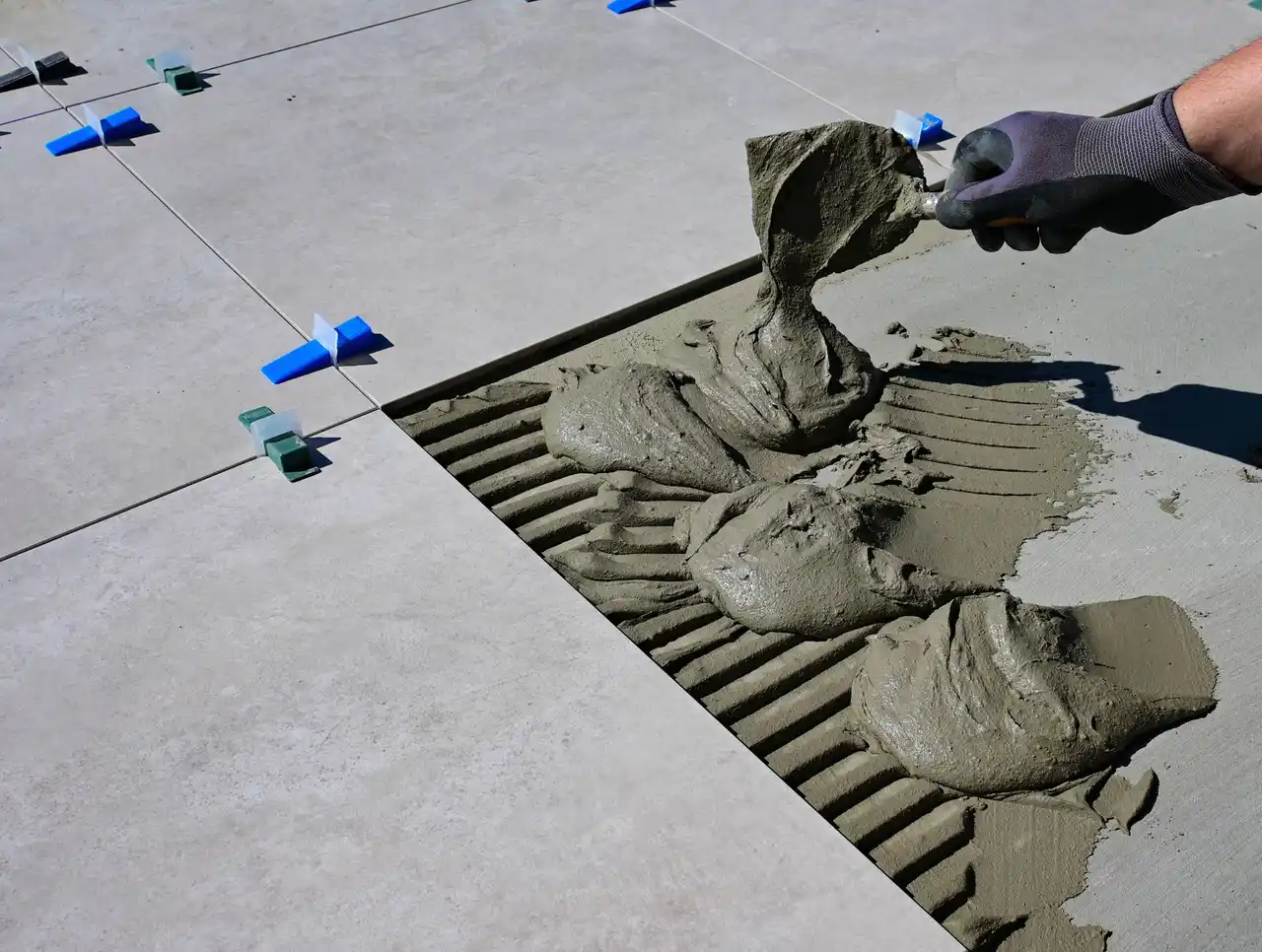
Every water service line slab leak repair in Laguna Niguel starts here. We use acoustic microphones, thermal cameras, and pressure isolation to pinpoint the breach within inches before any concrete is cut. Detection is available as a standalone service if you just need to confirm a suspected leak.
View service
When water is actively pooling or your meter won't stop spinning, this is the 24/7 response. We roll trucks around the clock for Laguna Niguel emergencies, including weekends and holidays. Most emergency calls get a tech on-site within 60 minutes.
View service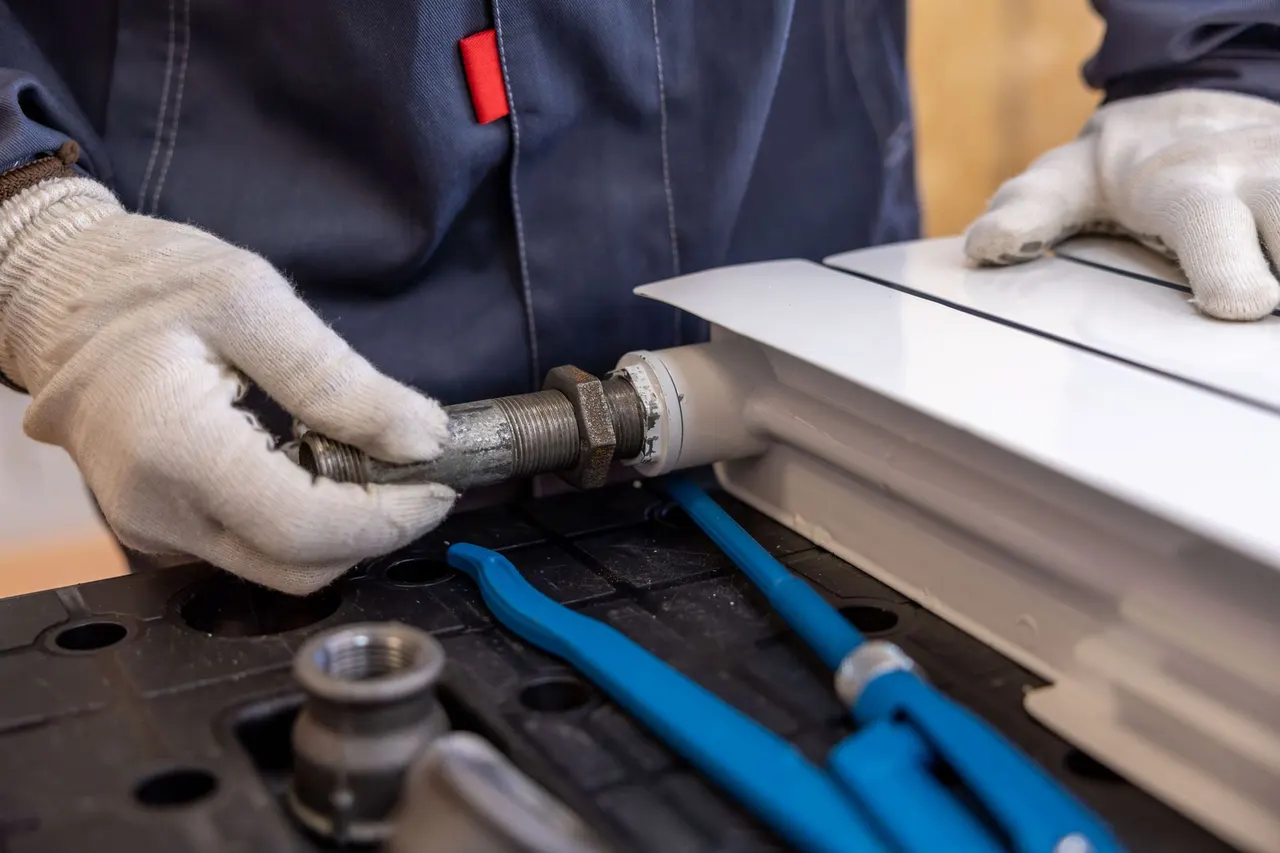
Covers any pressurized or drain line failure beneath the foundation, not just the service line. If detection shows the leak is in a branch line feeding a bathroom or kitchen, this is the repair scope. Same access techniques, same restoration standards.
View service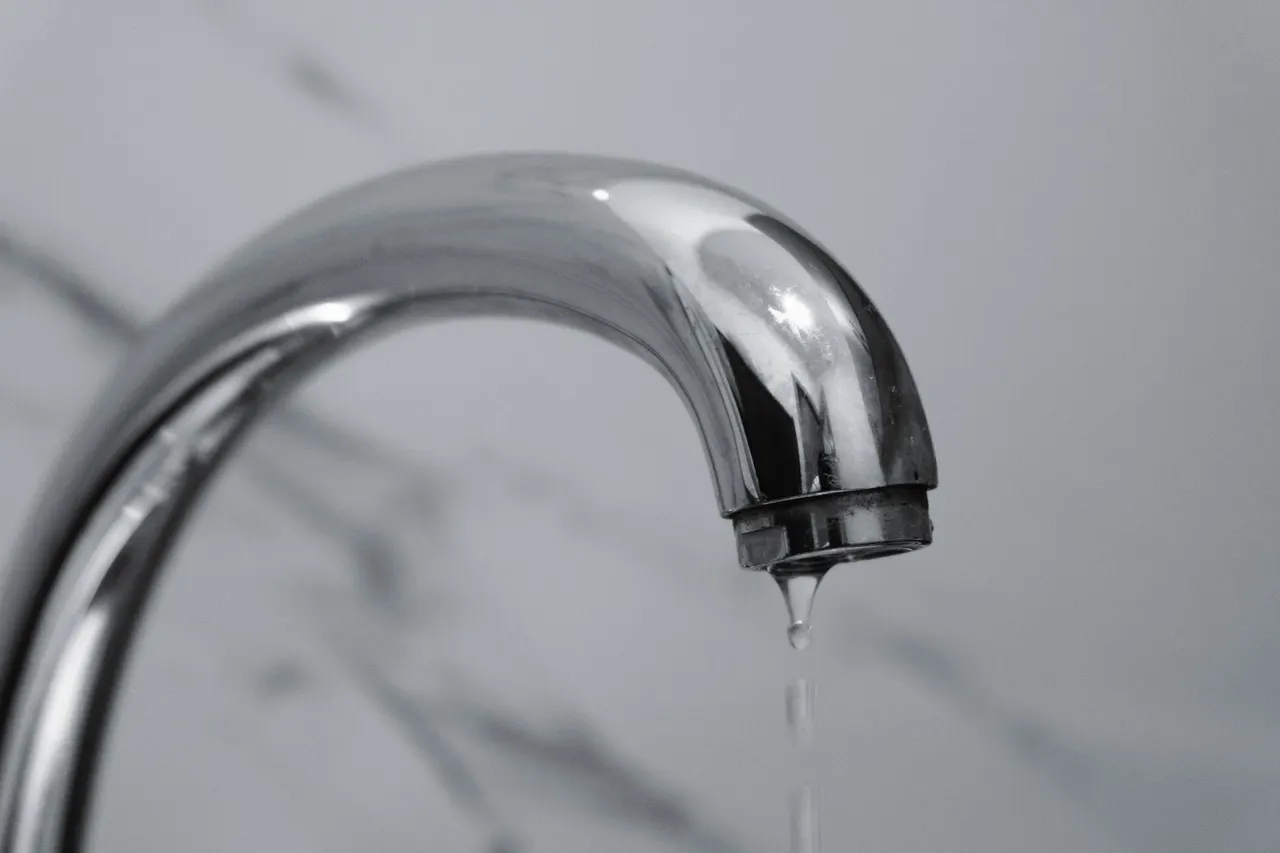
Reach us at (949) 593-2386 any time, day or night. We answer live, ask the right questions about your water bill and floor symptoms, and dispatch a technician with detection gear. Most calls in Laguna Niguel and the 92677 area get a tech on site the same day.